Indie Rock
Independent production path and rock aesthetic
No need to please everyone, just tell the truth to the people who care.
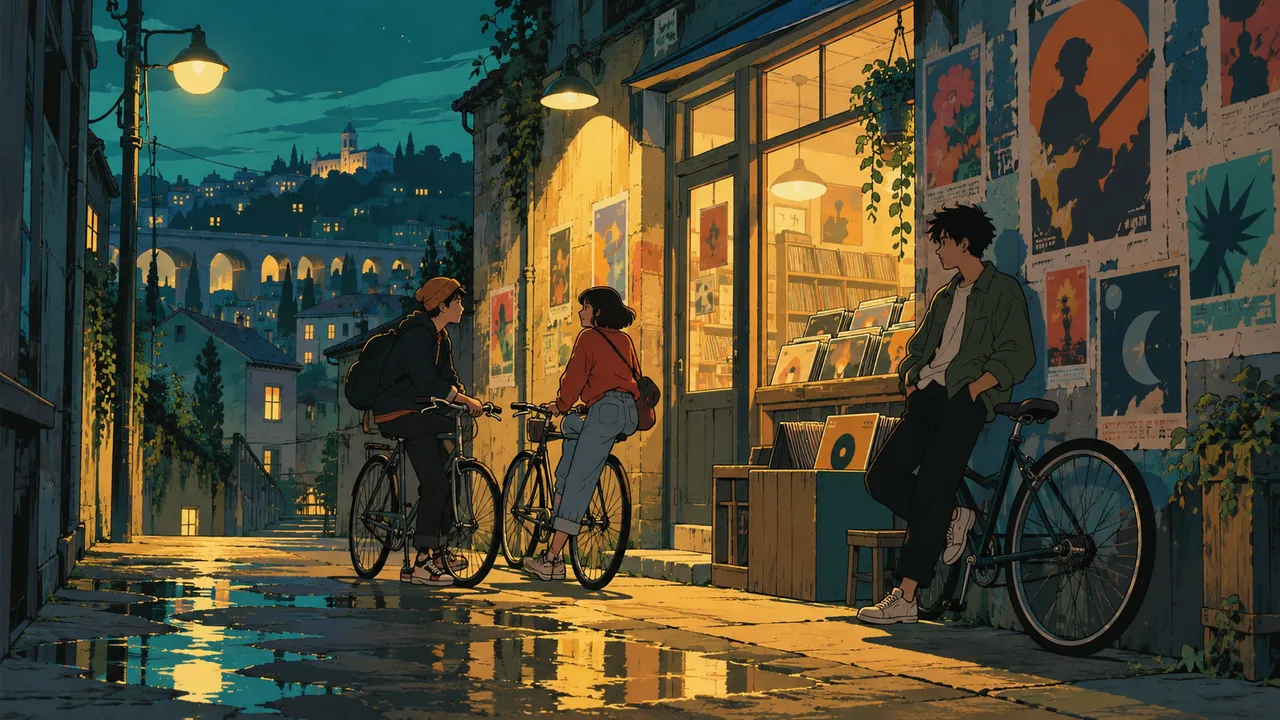
- Era
- From the 1980s
- Origin
- UK · USA
- Tempo
- 100–150 BPM
- Core instruments
- interlocking guitars · dry drums · melodic bass
AI prompt
Indie rock, 132 BPM, two interlocking clean and lightly overdriven electric guitars, dry tight live drums, melodic bass, casual slightly lo-fi male vocal, catchy understated chorus, city night with friends, restless and youthful
228 charactersAsk for interlocking guitars and dry drums; lean toward dream pop for haze or write garage rock for grit. For a Chinese band, add Mandarin vocals and poetic lyrics; for a livehouse feel add live room recording, or lean toward Chinese folk for a softer sound.
Rhythm
Mostly straight beats, often with lively syncopation or a danceable feel.
Drums
Dry, tight live drums driven by hi-hats.
Bass
Melodic bass weaving with the guitars.
Synths / arrangement
Two interlocking guitars, clean or lightly overdriven.
Vocals
Casual, unpolished, even slightly lazy vocals.
Interlocking guitar lines, diary-like lyrics, production that keeps the room sound.
- Period
- Formed in the 1980s, boomed in the early 2000s
- Regions & spread
- UK · USA · indie scenes worldwide
Indie first meant independent record labels and became an aesthetic: guitar bands, personal lyrics, lo-fi or clean production. From R.E.M. and Pixies to The Strokes and Arctic Monkeys in the 2000s; Korea's K-Indie is another face of a local independent scene.
Social context
College radio, small venues and fan communities built distribution and word-of-mouth outside the mainstream.
Technology
Home recording and later blogs and streaming let small bands be heard worldwide.
Cultural psychology (interpretation)
Creative interpretation: a little clumsy and imperfect is what makes it feel like the real you.
Last Nite · Is This It
The Strokes / Song / albumHear two guitars fill each other's gaps, and the vocal sound as casual as if through an old amp.
Graduation season, band practice, wandering the city at night
Dry drums and interlocking guitars make youth feel real without sentimentality.
- What is Indie Rock?
- Indie Rock is an independent production path and rock aesthetic. No need to please everyone, just tell the truth to the people who care. Period: Formed in the 1980s, boomed in the early 2000s. Regions: UK, USA, indie scenes worldwide. Interlocking guitar lines, diary-like lyrics, production that keeps the room sound.
- How do I write a Suno prompt for Indie Rock?
- Copy this full prompt:
Indie rock, 132 BPM, two interlocking clean and lightly overdriven electric guitars, dry tight live drums, melodic bass, casual slightly lo-fi male vocal, catchy understated chorus, city night with friends, restless and youthful. Ask for interlocking guitars and dry drums; lean toward dream pop for haze or write garage rock for grit. For a Chinese band, add Mandarin vocals and poetic lyrics; for a livehouse feel add live room recording, or lean toward Chinese folk for a softer sound. - What BPM and instruments does Indie Rock use?
- Usually 100–150 BPM. Drums: Dry, tight live drums driven by hi-hats. Bass: Melodic bass weaving with the guitars. Synths / arrangement: Two interlocking guitars, clean or lightly overdriven. Vocals: Casual, unpolished, even slightly lazy vocals.
- What Indie Rock music should I start with?
- Start with “Last Nite · Is This It” by The Strokes. The Key works tab notes what to listen for in each.
- What styles are similar to Indie Rock?
- Britpop Same branch; Alternative Rock Same branch; Country Similar mood · Nostalgic; Grunge Same branch
Sources are used to check history, categories and works. Cultural psychology, visual language, creator uses, and the instrument and mood tags in the overview are editorial interpretation and do not speak for a whole community or an artist’s sole intent. Tempo ranges are only a starting point; listen to AI examples and adjust.
- Wikipedia · Indie rock ↗Works and cultural background; sound, imagery and creator uses are editorial analysis
- Wikipedia · Last Nite ↗Works and cultural background; sound, imagery and creator uses are editorial analysis