Boom Bap
Hip-hop production aesthetic and rhythmic direction
Heavy drum hits and lean loops give a verse solid ground to stand on.
- Era
- Mid-to-late 1980s
- Origin
- New York, USA
- Tempo
- 80–100 BPM
- Core instruments
- sampled drums · record samples · bass · rap
AI prompt
Boom bap, 92 BPM, heavy kick and crisp sampled snare, subtle swing, a short original chopped keyboard motif, warm repeating bass, clearly articulated English rap with deliberate pauses, focused grounded energy, sparse arrangement, no constant vinyl crackle
256 charactersSpell out the drum weight, swing, short chopped phrases and space for rap separately. For pure score, switch to instrumental; with general AI tools, a sampled feel can come from original short phrases, without asking to copy specific records or producers.
Rhythm
Kick, snare and syncopated loops set the centre of gravity, with some swing or manual offset for bounce; not everything has to be locked to the grid.
Drums
Weighty kick, clear snare and sampled breaks; layer different hits or keep a cleaner drum tone.
Bass
Short, memorable low-end lines that work with the kick without burying the words.
Synths / arrangement
Soul, funk or jazz fragments, or original re-played phrases, can enter the loop; chop length and repeat placement shape the narrative space.
Vocals
Clear rap, multi-rapper relays or instrumental with no lead vocal; the push and pause of the lines should relate to the drum hits.
Prominent kick and snare, rearranged short material and a looping groove; it's not the same as all old-school rap, and vinyl crackle isn't required.
- Period
- Gradually developed in the mid-to-late 1980s, with the 1990s as a key period; no single birth year
- Regions & spread
- Key production scenes in New York and the US East Coast · Later global sampling and beatmaking communities
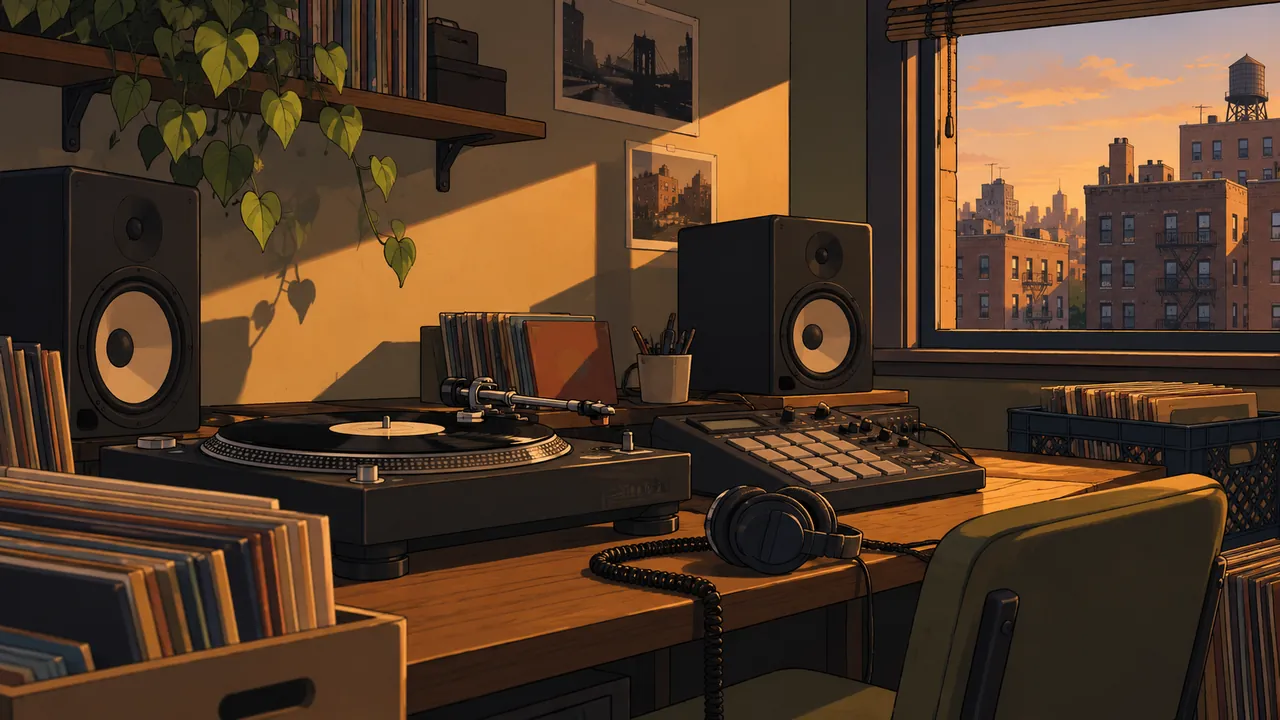
"Boom" and "bap" are onomatopoeia for kick and snare. It's closely linked to turntable culture, drum sampling, chopping and sequencing, and often describes hip-hop sound that puts the drums and short loops up front; it can support rap or stand as instrumental music.
Social context
Producers reorganised sounds from old records into their own beats, connecting recorded memory with present-day storytelling. Strong drums and relatively lean material leave room for the MC's words and performance and form a recognisable production identity.
Technology
Samplers let drum hits be isolated, reinforced and reordered, and sequencers and pads made short fragments playable rhythmic material. Turntables, samplers and drum machines shaped the sound together; it doesn't depend on one particular machine.
Cultural psychology (interpretation)
Creative interpretation: repeated heavy drums keep you grounded while slight swing keeps the body moving. It suits remembering old life while stating present observations clearly; grit is an optional texture, not the only mood.
Mass Appeal
Gang Starr / Song / how the sample loop relates to rapListen to how the repeated material, kick and snare give Guru's voice a steady place, then notice why very few changes still keep it moving. The loop isn't background decoration but the foundation of the whole narrative.
MC's Act Like They Don't Know
KRS-One / Song / vocal accents and drumsHear how KRS-One's tone, line endings and pauses spar with the drums; compared with Mass Appeal, the same clear drum skeleton can carry a different vocal stance.
Contemporary storytelling and everyday observation in an old neighbourhood
Short material carries local memory while drums and voice carry what's happening now; the scene doesn't have to be all nostalgia.
Clear-stanced self-narration or multi-voice relays
A solid beat lets characters show differences through breathing, accents and pauses, especially in scenes where the words must be heard.
Walking, light action and beat-driven montage
Short loops support repeated actions, and dropping the drums briefly or changing the chop creates sections; for dialogue, switch to a sparse instrumental version.
- What is Boom Bap?
- Boom Bap is a hip-hop production aesthetic and rhythmic direction. Heavy drum hits and lean loops give a verse solid ground to stand on. Period: Gradually developed in the mid-to-late 1980s, with the 1990s as a key period; no single birth year. Regions: Key production scenes in New York and the US East Coast, Later global sampling and beatmaking communities. Prominent kick and snare, rearranged short material and a looping groove; it's not the same as all old-school rap, and vinyl crackle isn't required.
- How do I write a Suno prompt for Boom Bap?
- Copy this full prompt:
Boom bap, 92 BPM, heavy kick and crisp sampled snare, subtle swing, a short original chopped keyboard motif, warm repeating bass, clearly articulated English rap with deliberate pauses, focused grounded energy, sparse arrangement, no constant vinyl crackle. Spell out the drum weight, swing, short chopped phrases and space for rap separately. For pure score, switch to instrumental; with general AI tools, a sampled feel can come from original short phrases, without asking to copy specific records or producers. - What BPM and instruments does Boom Bap use?
- Can start at 80–100 BPM here; a creative reference, not a universal tempo definition of boom bap. Drums: Weighty kick, clear snare and sampled breaks; layer different hits or keep a cleaner drum tone. Bass: Short, memorable low-end lines that work with the kick without burying the words. Synths / arrangement: Soul, funk or jazz fragments, or original re-played phrases, can enter the loop; chop length and repeat placement shape the narrative space. Vocals: Clear rap, multi-rapper relays or instrumental with no lead vocal; the push and pause of the lines should relate to the drum hits.
- What Boom Bap music should I start with?
- Start with “Mass Appeal” by Gang Starr; “MC's Act Like They Don't Know” by KRS-One. The Key works tab notes what to listen for in each.
- What styles are similar to Boom Bap?
- G-Funk Same branch; Hip-Hop / Rap Same branch; Jazz Rap Same branch; New Wave Similar mood · Nostalgic
Sources are used to check history, categories and works. Cultural psychology, visual language, creator uses, and the instrument and mood tags in the overview are editorial interpretation and do not speak for a whole community or an artist’s sole intent. Tempo ranges are only a starting point; listen to AI examples and adjust.
- University of West London · Boom Bap ex Machina ↗Mid-to-late 1980s production development, kick/snare onomatopoeia, and the relationship between chopping and sequencing; the article's individual record dates aren't used to build a timeline
- Roland · Roland and the sound of Hip-Hop ↗Technical links between drum machines, samplers and many hip-hop sounds; used only for production-tool background
- Gang Starr · Mass Appeal 官方 MV ↗Listening link for the specific work; the relationship between the loop and Guru's voice is this page's creative reading
- KRS-One · MC's Act Like They Don't Know 官方 MV ↗Entry point for the specific song and the official album KRS-One, not confused with tracks on Return of the Boom Bap