Mandopop
Pop music culture centred on Mandarin-language singing
Turns private feelings into everyday songs that many people can sing.
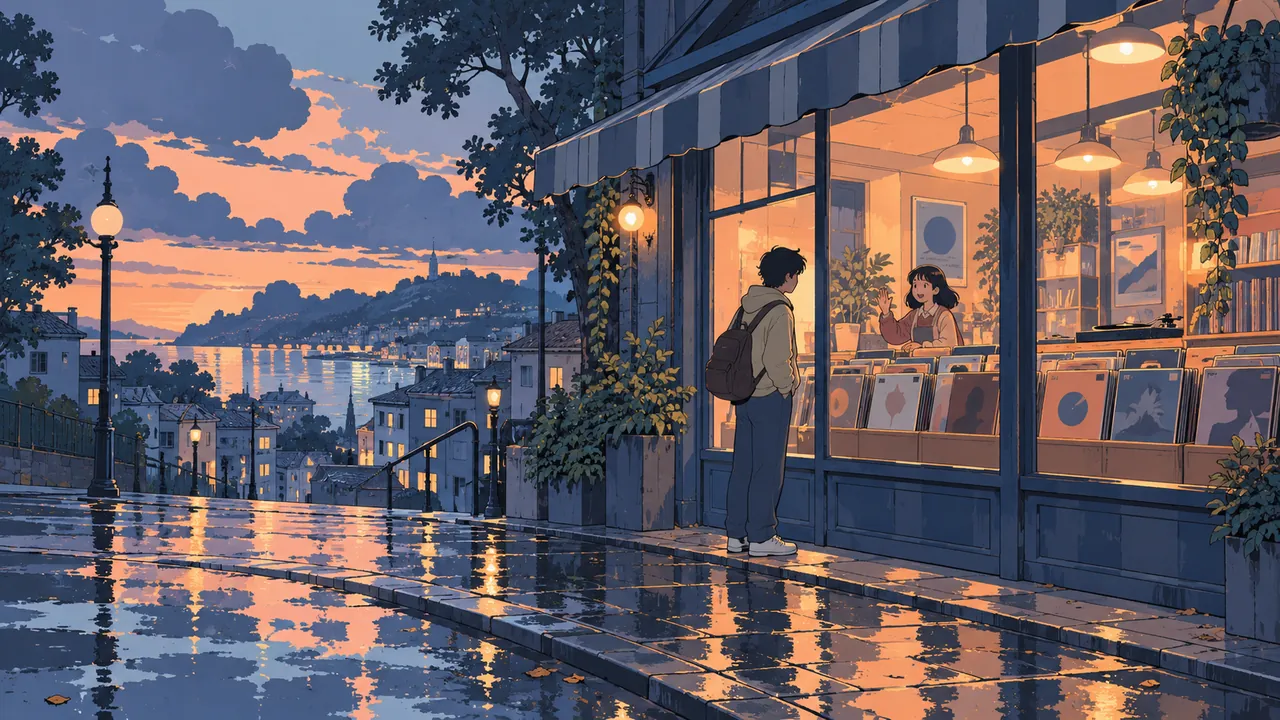
- Era
- 20th century
- Origin
- Chinese-speaking regions
- Tempo
- 70–100 BPM
- Core instruments
- piano · strings · guitar · ballad vocals
AI prompt
Mandarin pop ballad, 82 BPM, intimate lead vocal, piano, restrained drums, melodic bass, a memorable original chorus, reunion after years
137 charactersDecide the scene and lead sound first, then adjust tempo and layering. These keywords are a starting point, not a request to imitate any specific artist.
Rhythm
Arranged around lyric stress, verse–chorus form and emotion
Drums
Acoustic kit or electronic drums both work
Bass
Follows the harmony and the song's centre of gravity
Synths / arrangement
Piano, guitar, strings or electronic sounds depending on the sub-style
Vocals
Mandarin lyrics and each singer's own delivery
A language category is not one fixed sonic DNA; pick a sub-style when you write.
- Period
- Grew within the 20th-century Chinese-language record industry and keeps absorbing new pop sounds
- Regions & spread
- Mainland China · Taiwan · Singapore and other Chinese-speaking communities
This is an entry point by language and industry culture, covering ballads, R&B, rock, electronic and more. It should not stand in for Cantonese or other Chinese-language music traditions.
Social context
City life, radio, film and TV embedded songs in everyday memory.
Technology
From record studios to streaming-era production, the sound keeps changing.
Cultural psychology (interpretation)
Creative interpretation: a familiar song structure quickly builds a sense of time that characters have shared.
The Moon Represents My Heart
Teresa Teng / Song / listening linkStart with an iconic 1970s Mandopop love song: a gentle voice, simple accompaniment and a melody everyone can sing; it does not represent all of Mandopop.
The Goodbye Kiss
Jacky Cheung / AlbumThe '90s Mandarin love-song standard: piano and strings, a heartfelt male voice and a chorus that keeps building.
Di Da Di
CoCo Lee / AlbumThe queen of Mandarin dance-pop: R&B-style runs and high notes over bright dance beats.
Xiao Qing Ge (A Little Love Song)
Sodagreen / SongA Taiwanese indie band that crossed into the mainstream: Wu Qing-feng's clear voice and literary lyrics.
Old friends reuniting, coming-of-age end credits
Lets a memorable chorus carry a shared experience.
- What is Mandopop?
- Mandopop is a pop music culture centred on Mandarin-language singing. Turns private feelings into everyday songs that many people can sing. Period: Grew within the 20th-century Chinese-language record industry and keeps absorbing new pop sounds. Regions: Mainland China, Taiwan, Singapore and other Chinese-speaking communities. A language category is not one fixed sonic DNA; pick a sub-style when you write.
- How do I write a Suno prompt for Mandopop?
- Copy this full prompt:
Mandarin pop ballad, 82 BPM, intimate lead vocal, piano, restrained drums, melodic bass, a memorable original chorus, reunion after years. Decide the scene and lead sound first, then adjust tempo and layering. These keywords are a starting point, not a request to imitate any specific artist. - What BPM and instruments does Mandopop use?
- No single BPM; ballad examples can use 70–100 BPM. Drums: Acoustic kit or electronic drums both work Bass: Follows the harmony and the song's centre of gravity Synths / arrangement: Piano, guitar, strings or electronic sounds depending on the sub-style Vocals: Mandarin lyrics and each singer's own delivery
- What Mandopop music should I start with?
- Start with “The Moon Represents My Heart” by Teresa Teng; “The Goodbye Kiss” by Jacky Cheung; “Di Da Di” by CoCo Lee; “Xiao Qing Ge (A Little Love Song)” by Sodagreen. The Key works tab notes what to listen for in each.
- What styles are similar to Mandopop?
- Taiwanese Hokkien Pop Same branch; Cantopop Same branch; Ballad / Power Ballad Similar mood · Warm & intimate; K-Ballad Similar mood · Melancholy & lonely
Sources are used to check history, categories and works. Cultural psychology, visual language, creator uses, and the instrument and mood tags in the overview are editorial interpretation and do not speak for a whole community or an artist’s sole intent. Tempo ranges are only a starting point; listen to AI examples and adjust.
- Wikipedia · The Moon Represents My Heart ↗Works and cultural background; sound, imagery and creator uses are editorial analysis