K-Ballad
Korean ballad pop
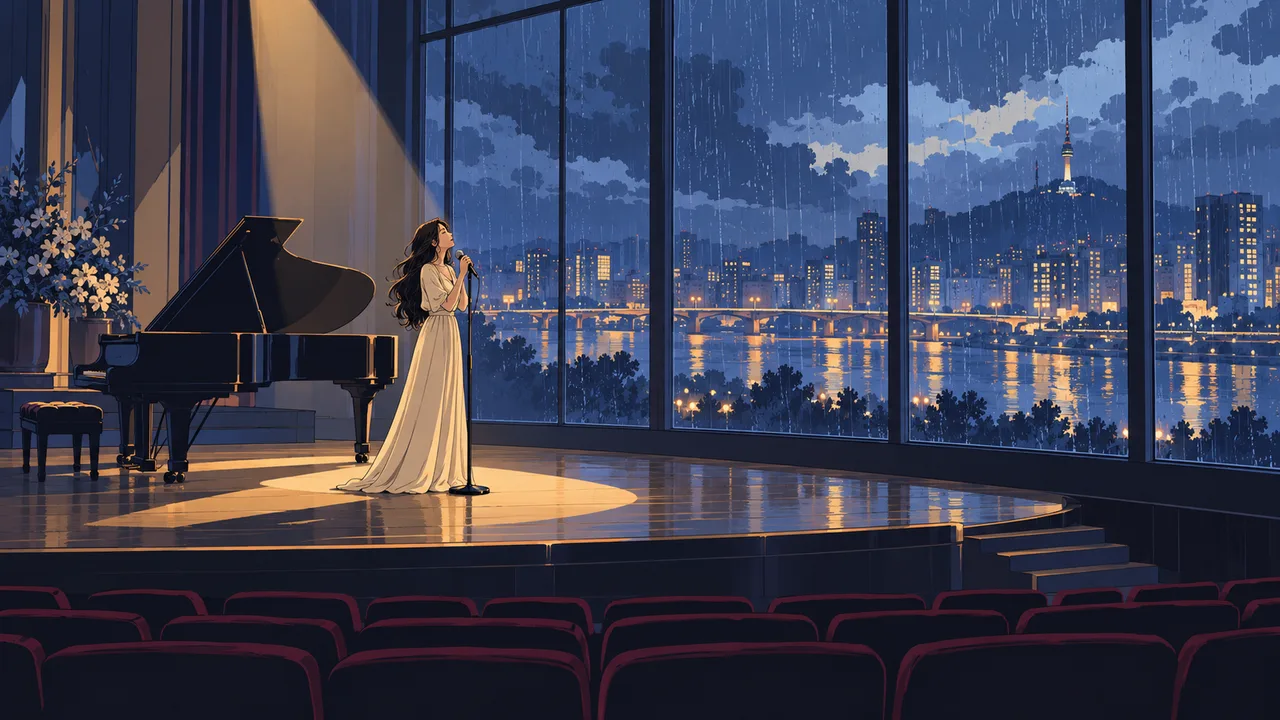
A piano opening, strings underneath and an explosive belt in the last chorus: Korean love songs that sing heartbreak at full strength.
- Era
- 1980s–present
- Origin
- South Korea
- Tempo
- 60–80 BPM
- Core instruments
- piano · strings · Korean vocals
AI prompt
K-ballad, 72 BPM, solo piano intro, strings slowly building, soft drums entering in the second half, restrained Korean vocal in the verse, explosive belted final chorus with a key change, heartbroken, tender and soaring
219 charactersWrite K-ballad + piano and strings + emotional belting, plus Korean vocals; for an OST feel add drama OST, for more R&B add R&B ballad.
Rhythm
Slow four-four or six-eight, with almost no drums in the first half.
Drums
Soft drums and cymbal swells that only enter in the second half.
Bass
Simple bass following the piano chords.
Synths / arrangement
Piano-led, with strings gradually filling in.
Vocals
Korean lead vocal, soft in the verse, belting and modulating in the final chorus.
The piano plays alone and the singer almost speaks; strings creep in, and in the last section the whole song lifts a key as the singer gives everything to the highest note.
- Period
- Rose in the 1980s, peaked in the 1990s–2000s, still the backbone of OSTs
- Regions & spread
- South Korea
The Korean ballad (발라드) is Korea's transformation of soul and R&B into lyrical pop suited to local sentiment. It became popular in the 1980s and peaked in the 1990s–2000s, when singers such as SG Wannabe and K.Will pushed the explosive belted climax to its limit. Today it is the backbone of K-drama OSTs, and singers like IU and Taeyeon often sing ballads. Compared with idol dance-pop K-pop, it rests almost entirely on the voice: piano and strings unfold slowly, the verse is restrained, and the last chorus often modulates up and is sung all-out.
Social context
Noraebang (karaoke) culture and K-drama OSTs made ballads a shared public memory.
Technology
Piano and string arrangements, carefully polished studio vocals.
Cultural psychology (interpretation)
Creative interpretation: The more restrained the verse, the harder the final outburst hits: emotion is stored up layer by layer, then poured out at once.
밤편지 / Through the Night
IU / SongHear the quiet, restrained side: acoustic backing, soft singing and the tenderness of a letter.
눈, 코, 입 / Eyes, Nose, Lips
Taeyang / SongCompare a more R&B-flavoured ballad: a piano opening and a chorus that builds the emotion to its peak.
K-drama OSTs, farewells and memories
The slow build to an outburst fits a story's climax perfectly.
- What is K-Ballad?
- K-Ballad is a korean ballad pop. A piano opening, strings underneath and an explosive belt in the last chorus: Korean love songs that sing heartbreak at full strength. Period: Rose in the 1980s, peaked in the 1990s–2000s, still the backbone of OSTs. Regions: South Korea. The piano plays alone and the singer almost speaks; strings creep in, and in the last section the whole song lifts a key as the singer gives everything to the highest note.
- How do I write a Suno prompt for K-Ballad?
- Copy this full prompt:
K-ballad, 72 BPM, solo piano intro, strings slowly building, soft drums entering in the second half, restrained Korean vocal in the verse, explosive belted final chorus with a key change, heartbroken, tender and soaring. Write K-ballad + piano and strings + emotional belting, plus Korean vocals; for an OST feel add drama OST, for more R&B add R&B ballad. - What BPM and instruments does K-Ballad use?
- Usually 60–80 BPM. Drums: Soft drums and cymbal swells that only enter in the second half. Bass: Simple bass following the piano chords. Synths / arrangement: Piano-led, with strings gradually filling in. Vocals: Korean lead vocal, soft in the verse, belting and modulating in the final chorus.
- What K-Ballad music should I start with?
- Start with “밤편지 / Through the Night” by IU; “눈, 코, 입 / Eyes, Nose, Lips” by Taeyang. The Key works tab notes what to listen for in each.
- What styles are similar to K-Ballad?
- Ballad / Power Ballad Similar mood · Warm & intimate; Dream Pop Similar mood · Warm & intimate; Chamber Music Similar mood · Warm & intimate; K-Drama OST Similar mood · Melancholy & lonely
Sources are used to check history, categories and works. Cultural psychology, visual language, creator uses, and the instrument and mood tags in the overview are editorial interpretation and do not speak for a whole community or an artist’s sole intent. Tempo ranges are only a starting point; listen to AI examples and adjust.
- Wikipedia · Korean ballad ↗Works and cultural background; sound, imagery and creator uses are editorial analysis
- Wikipedia · Through the Night (IU song) ↗Works and cultural background; sound, imagery and creator uses are editorial analysis