Denpa
Otaku song aesthetic and cultural orientation
Turns excessive cuteness, repetition and strange logic into a channel of its own.
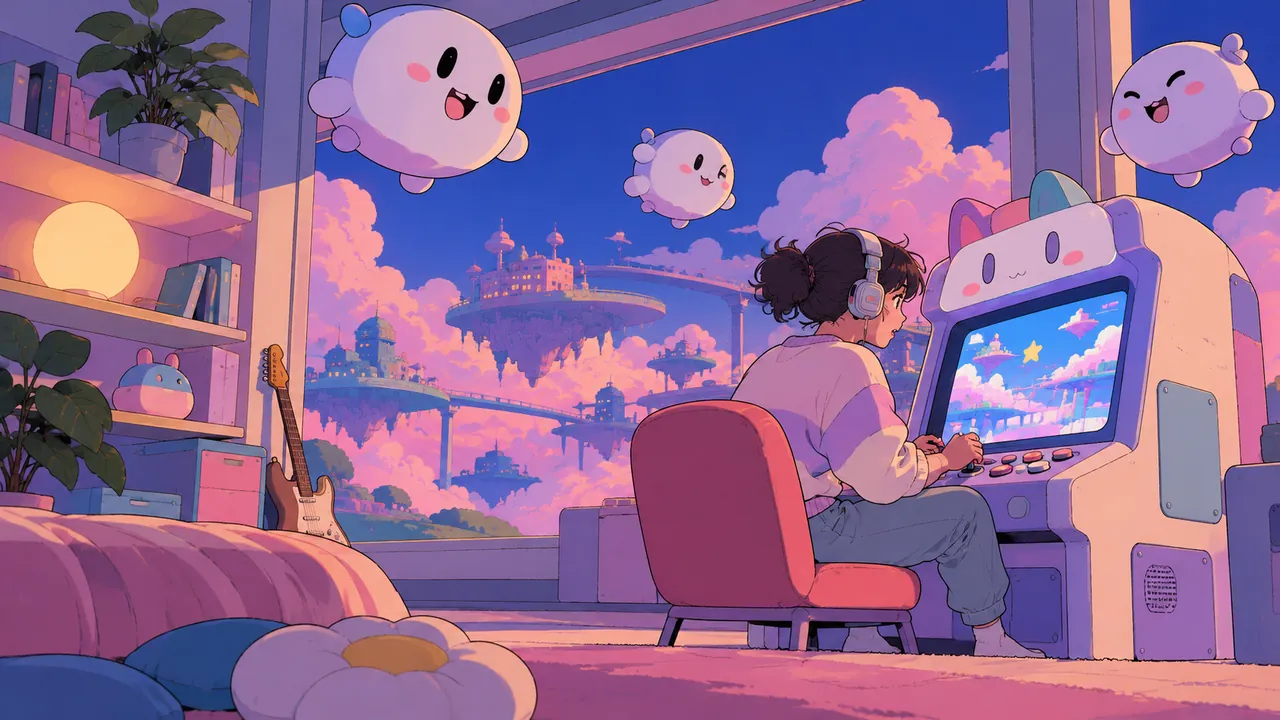
- Era
- Early 2000s
- Origin
- Japan
- Tempo
- 140–180 BPM
- Core instruments
- fast synths · electronic drums · cute vocals
AI prompt
Denpa-inspired electronic pop, 160 BPM, toy-like synth hooks, bouncy bass, bright drums, playful Japanese chant and rapid vocal call-and-response, hyperactive virtual playroom, short catchy repeating phrases
207 charactersControl the density of transitions and give the core phrase logic; for scoring, replace full lyrics with a wordless chant.
Rhythm
Fast jumps, sudden stops and dense restarts.
Drums
Bright electronic drums, fast hi-hats and emphasised transitions.
Bass
Bouncy synth bass and short loops.
Synths / arrangement
Toy-like leads, bright sound effects and constantly changing short hooks.
Vocals
Exaggerated singing, shouts, onomatopoeia, layered call-and-response and repeated short phrases.
Shared context and song logic matter as much as the sound; a high female voice alone doesn't make it denpa.
- Period
- The early 2000s are a key period; no single birth year
- Regions & spread
- Japanese game, internet and Akihabara culture scenes
Highly memorable short phrases, exaggerated singing and dense electronic arrangement are common. MOSAIC.WAV's AKIBA-POP is a neighbouring entry point, but the two are not identical; not every cute Japanese song is denpa.
Social context
Game, doujin, internet and otaku scenes formed in-jokes, intimate catchphrases and a shared vocabulary.
Technology
Personal digital production and layered vocals allow rapid changes, onomatopoeia and many short hooks side by side.
Cultural psychology (interpretation)
Creative interpretation: pushing repetition and exaggeration to the front can build a shared joy that escapes real-world rules, or depict overload.
We Love “AKIBA-POP”!!
MOSAIC.WAV / Title track (track 12) / albumUse the title track to hear how short phrases, vocal personality and fast electronic arrangement create an in-group context, and how AKIBA-POP sits next to the denpa aesthetic.
Mini-games, virtual theme parks and comic characters
Dense hooks suit short scenes, and repetition can reinforce actions and gags.
Happiness over-designed by a commercial system
Pushing cuteness to excess can create an unsettling surface, but make clear this is a creative interpretation.
- What is Denpa?
- Denpa is an otaku song aesthetic and cultural orientation. Turns excessive cuteness, repetition and strange logic into a channel of its own. Period: The early 2000s are a key period; no single birth year. Regions: Japanese game, internet and Akihabara culture scenes. Shared context and song logic matter as much as the sound; a high female voice alone doesn't make it denpa.
- How do I write a Suno prompt for Denpa?
- Copy this full prompt:
Denpa-inspired electronic pop, 160 BPM, toy-like synth hooks, bouncy bass, bright drums, playful Japanese chant and rapid vocal call-and-response, hyperactive virtual playroom, short catchy repeating phrases. Control the density of transitions and give the core phrase logic; for scoring, replace full lyrics with a wordless chant. - What BPM and instruments does Denpa use?
- High-energy tracks here can start at 140–180 BPM; not a rule of the genre. Drums: Bright electronic drums, fast hi-hats and emphasised transitions. Bass: Bouncy synth bass and short loops. Synths / arrangement: Toy-like leads, bright sound effects and constantly changing short hooks. Vocals: Exaggerated singing, shouts, onomatopoeia, layered call-and-response and repeated short phrases.
- What Denpa music should I start with?
- Start with “We Love “AKIBA-POP”!!” by MOSAIC.WAV. The Key works tab notes what to listen for in each.
- What styles are similar to Denpa?
- J-Core Same branch; Nightcore / Sped Up Similar mood · Hype & thrill; Touhou Arrange Same branch; Rhythm Game Music Same branch
Sources are used to check history, categories and works. Cultural psychology, visual language, creator uses, and the instrument and mood tags in the overview are editorial interpretation and do not speak for a whole community or an artist’s sole intent. Tempo ranges are only a starting point; listen to AI examples and adjust.
- MOSAIC.WAV · 官方声音理念 ↗First-person account of AKIBA-POP culture and sound
- MOSAIC.WAV · History ↗Formation in 2003 and later work
- MOSAIC.WAV · We Love AKIBA-POP ↗2004 work as an entry point