East Asian Rock
Band sounds of China, Japan and Korea: Beijing roars, anime-opening fire and Seoul's small stages.
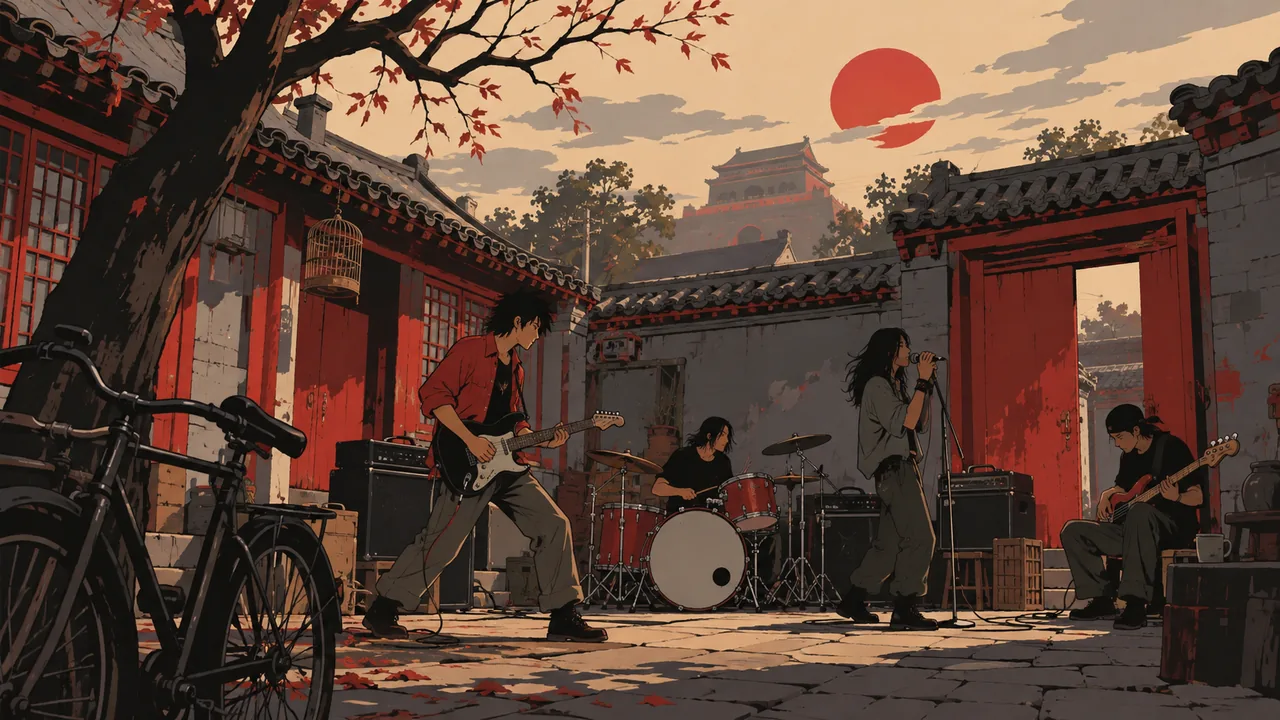
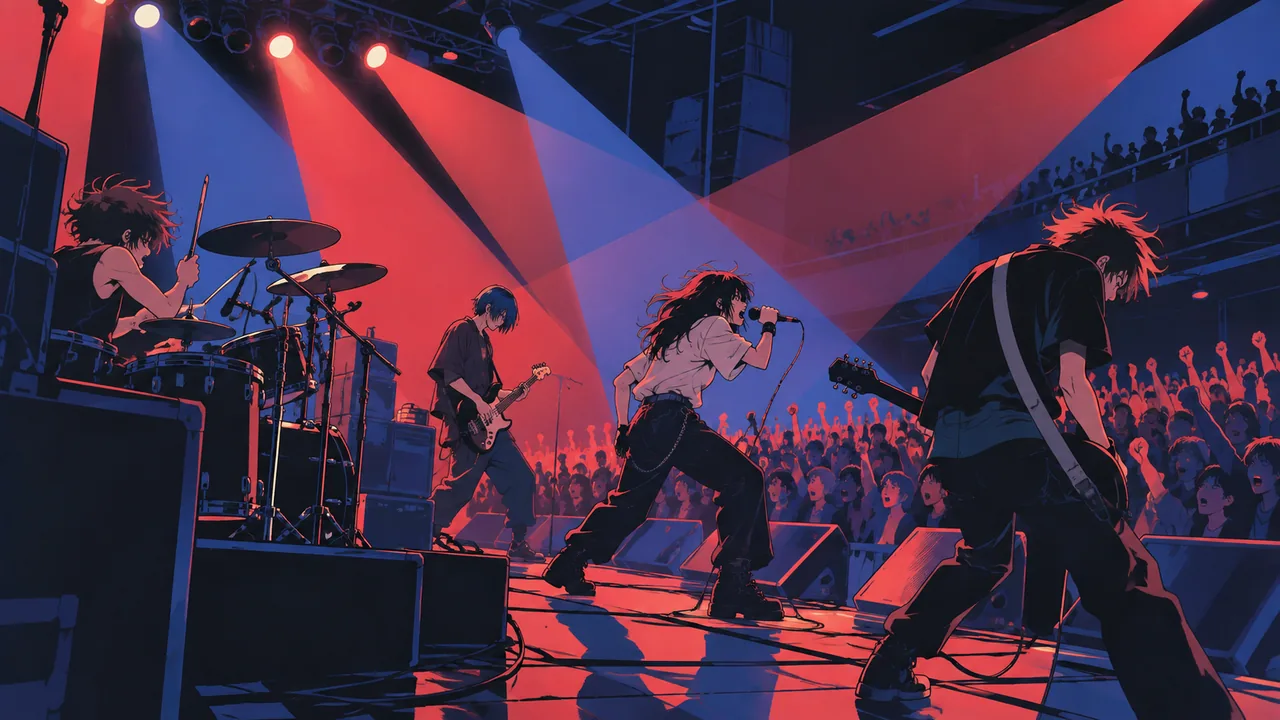
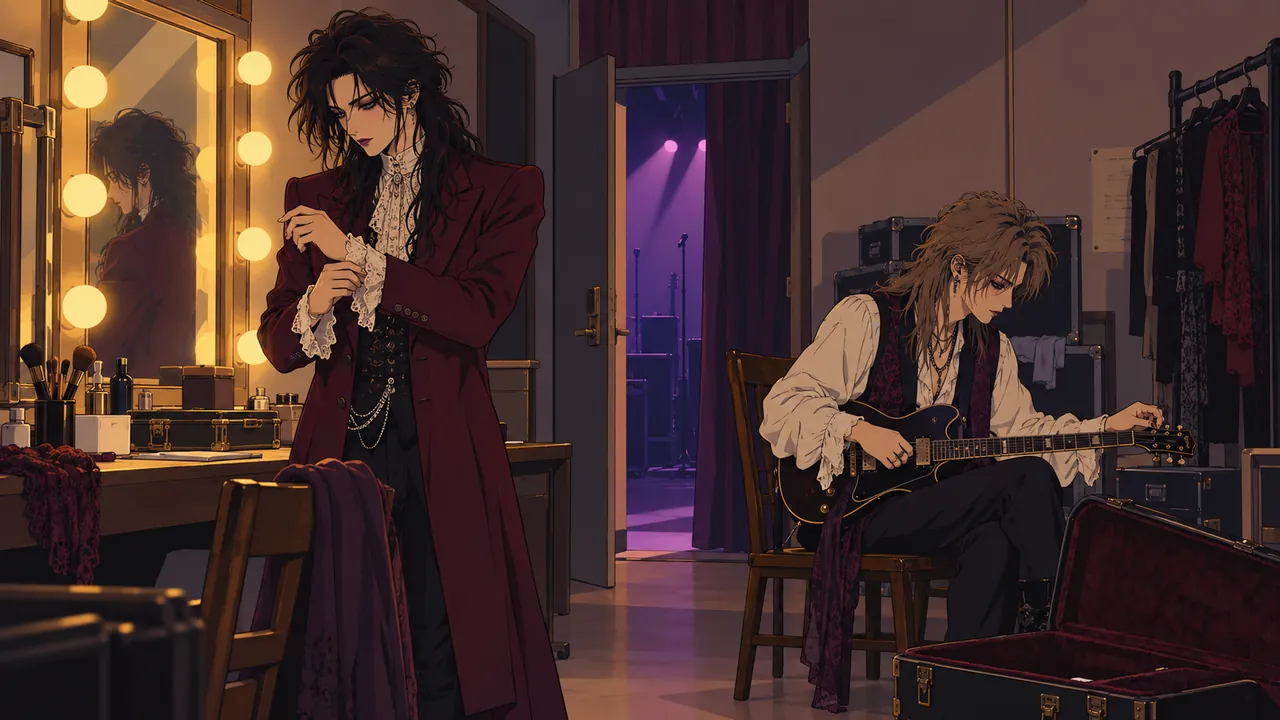
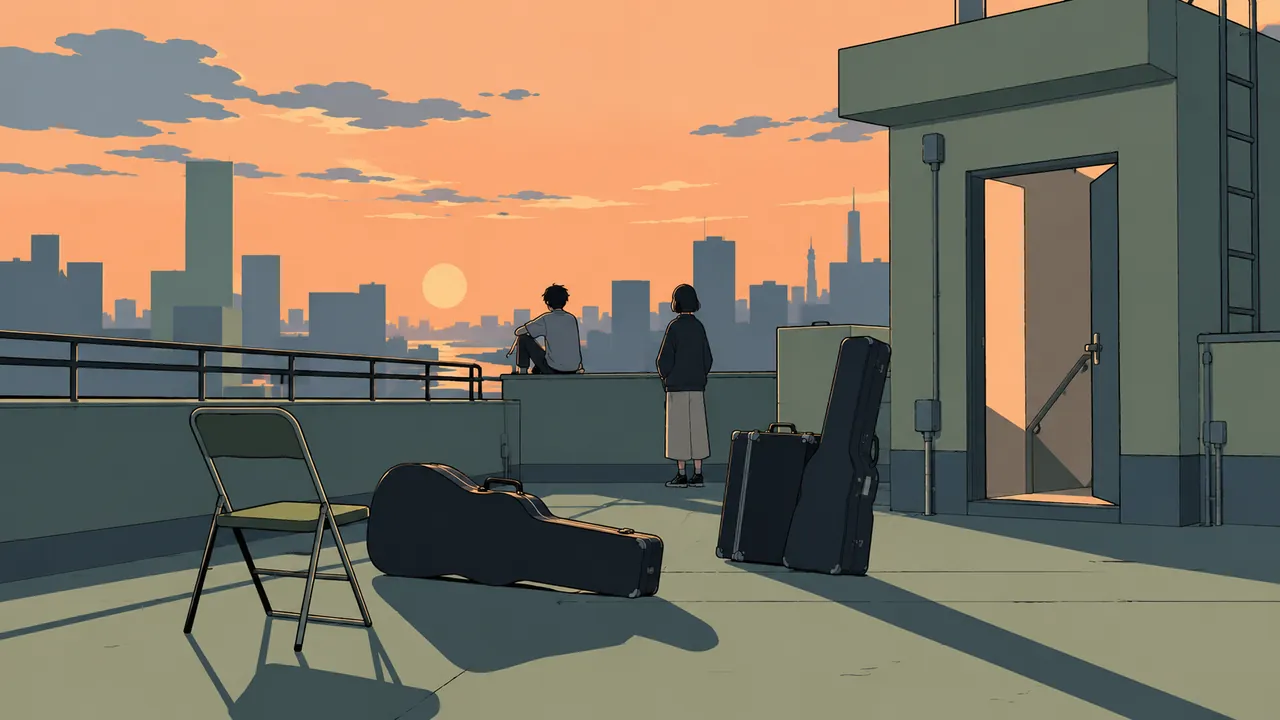
Chinese rock carries '90s Beijing hoarseness and suona; J-rock is known for speed and melody, visual kei turns make-up and dramatic arrangement into total art, and Korean indie is more delicate and everyday.
What they share
- Melody first, frequent key changes
- Fast twin guitars
- Closely tied to anime culture
How to choose
- Anime-opening hypeJ-Rock
- Theatrical darkness and glamourVisual Kei / Visual Rock
- '90s Beijing roarChinese Rock
- Korean indie bandsK-Indie
Starter prompt
J-rock, 180 BPM, fast twin distorted guitars, busy drums, running bass, emotional high-pitched Japanese vocals, dramatic key change, anime opening energyA general starting point for this family; swap in a specific style’s keywords for sharper results.
Side by side
| Style | Era | BPM | Mood | Good for |
|---|---|---|---|---|
| Chinese Rock | Late 1980s–present | 90–150 | Rebellious & boldNostalgicEpic & vast | Memories & farewells · Night drives & city walks |
| J-Rock | 1980s–present | 150–200 | Groove & energyEpic & vastMelancholy & lonelyHype & thrill | Battle & action · Everyday & school |
| Visual Kei / Visual Rock | 1980s | Fast and slow | Dark & heavyRebellious & boldEpic & vast | Stage & idols · Fantasy adventure |
| K-Indie | Mid-to-late 1990s | 75–120 | Warm & intimateMelancholy & lonelyHealing | Everyday & school · Romance |
All styles
- Chinese Rock
Rock shouted out of hutong rehearsal rooms: raw, direct, carrying northern wind and poetry.
- J-Rock
Fast, intensely melodic and emotionally full, the sound behind countless anime openings.
- Visual Kei / Visual Rock
Music, body and look become a character together, and that character's fragility is sung to the whole venue.
- K-Indie
Starting from small stages, personal songwriting and peer networks, it gives a city many sounds that aren't uniformly packaged.