Orchestral Fantasy
Orchestration and worldbuilding direction
Gives mountains, peoples and characters sonic memories that are recognisable and can change.
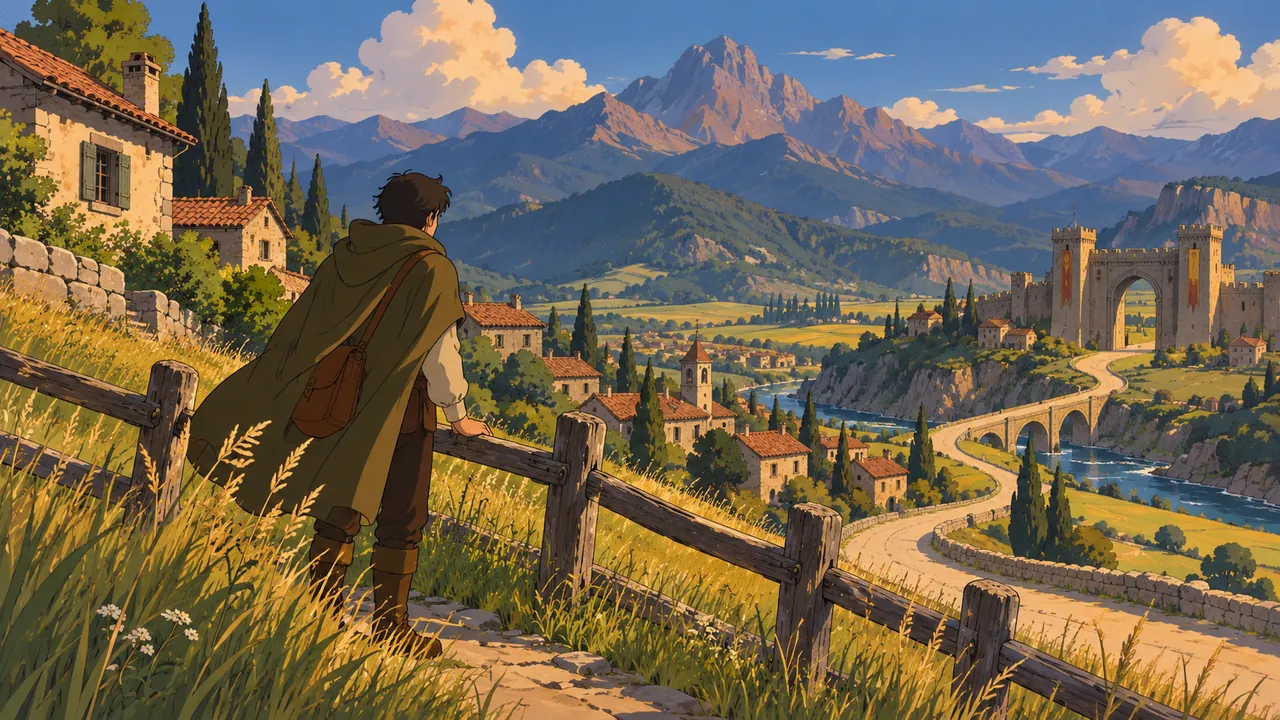
- Era
- 20th century
- Origin
- Europe & Americas
- Tempo
- Free tempo
- Core instruments
- orchestra · French horn · choir · harp
AI prompt
Orchestral fantasy score, a clear original four-note village motif, lyrical woodwinds and warm strings, gradual handoff to restrained brass, light timpani only at the turning point, instrumental, a traveler returning to a beloved valley that has changed, intimate opening and dignified resolve
293 charactersWrite the relationship between place and character first, then the orchestration. Ask for an original short theme with one clear change; for villages or homecomings, keep a small ensemble and room to breathe.
Rhythm
Short returning themes, marching rhythms and long-breathed phrases; motifs can change speed, key or harmony.
Drums
Timpani and orchestral percussion for weight and turning points; quiet regions can be drumless.
Bass
Low strings and low brass build a sense of ground, or sustained notes leave room for the themes above.
Synths / arrangement
Strings, woodwinds, brass and harp divide the work; electronic beds can help but aren't required for a fantasy feel.
Vocals
Choir can represent ritual, community or history; a solo voice can carry private memory.
Establish the theme's identity first, then show how it changes in the story through orchestration, harmony and density.
- Period
- Draws on symphonic, opera and film-score traditions; developed in 20th-century film and TV, with The Lord of the Rings (2001–2003) as a key case
- Regions & spread
- Orchestral and film production in Europe and North America · Fantasy film, TV and games worldwide
This page is organised around orchestral writing in fantasy storytelling, not a standalone genre born in one year. The Lord of the Rings score tied themes and orchestration to different cultures; small solos and grand choirs can both belong to this language.
Social context
Long fantasy stories need audiences to tell regions, factions and characters apart, and to recognise their connections over a long journey. Returning themes and timbral differences offer a map in sound.
Technology
Orchestral recording, choir, multitrack production and orchestral samples let many themes and different scales of orchestration be organised around the picture; choosing parts and keeping space matter more than filling every instrument.
Cultural psychology (interpretation)
Creative interpretation: a familiar short melody passed from woodwinds to low strings and then into brass can turn the same home from warmth into responsibility. The world's grandeur is thus tied to a character's experience.
Concerning Hobbits · The Fellowship of the Ring
Howard Shore / Film score track / official release audioFirst hear how a clear melody and light timbres give home its identity; then compare journey and crisis passages to see the theme's weight change across orchestrations. Don't understand fantasy orchestral music only from the big battle cues.
The Lord of the Rings Symphony: Six Movements for Orchestra and Chorus
Howard Shore / Six-movement concert work adapted from the film scoreUse the official notes to identify the timbres and themes of different cultures, and notice how they meet, clash and return. The link is the composer's notes on the work, useful for understanding how the score organises Middle-earth into a musical world.
A sonic map of kingdoms, villages and wilderness
Choose a short theme and a few core parts for each place; don't give every region the same epic brass.
Ordinary people gradually taking on the world's burdens
Keep the character's melody and change the scale of orchestration and harmonic pressure so growth can be heard.
Homecomings and revisiting old maps
Leave a new timbre or unresolved harmony in a familiar theme to show the place has changed.
- What is Orchestral Fantasy?
- Orchestral Fantasy is an orchestration and worldbuilding direction. Gives mountains, peoples and characters sonic memories that are recognisable and can change. Period: Draws on symphonic, opera and film-score traditions; developed in 20th-century film and TV, with The Lord of the Rings (2001–2003) as a key case. Regions: Orchestral and film production in Europe and North America, Fantasy film, TV and games worldwide. Establish the theme's identity first, then show how it changes in the story through orchestration, harmony and density.
- How do I write a Suno prompt for Orchestral Fantasy?
- Copy this full prompt:
Orchestral fantasy score, a clear original four-note village motif, lyrical woodwinds and warm strings, gradual handoff to restrained brass, light timpani only at the turning point, instrumental, a traveler returning to a beloved valley that has changed, intimate opening and dignified resolve. Write the relationship between place and character first, then the orchestration. Ask for an original short theme with one clear change; for villages or homecomings, keep a small ensemble and room to breathe. - What BPM and instruments does Orchestral Fantasy use?
- No single BPM; village dances, marches and free-tempo lyrical passages each have their own time scale. Drums: Timpani and orchestral percussion for weight and turning points; quiet regions can be drumless. Bass: Low strings and low brass build a sense of ground, or sustained notes leave room for the themes above. Synths / arrangement: Strings, woodwinds, brass and harp divide the work; electronic beds can help but aren't required for a fantasy feel. Vocals: Choir can represent ritual, community or history; a solo voice can carry private memory.
- What Orchestral Fantasy music should I start with?
- Start with “Concerning Hobbits · The Fellowship of the Ring” by Howard Shore; “The Lord of the Rings Symphony: Six Movements for Orchestra and Chorus” by Howard Shore. The Key works tab notes what to listen for in each.
- What styles are similar to Orchestral Fantasy?
- Cinematic / Film Score Same branch; Hybrid Orchestra Same branch; Spaghetti Western Same branch; JRPG Fantasy Similar mood · Epic & vast
Sources are used to check history, categories and works. Cultural psychology, visual language, creator uses, and the instrument and mood tags in the overview are editorial interpretation and do not speak for a whole community or an artist’s sole intent. Tempo ranges are only a starting point; listen to AI examples and adjust.
- Howard Shore · The Lord of the Rings Symphony ↗Themes and orchestration of different cultures, themes intersecting, and the adaptation of the film score into a six-movement concert work
- Berklee · Film Score Analysis ↗Leitmotifs, thematic ownership and thematic transformation in film and TV; supports this page's method
- Howard Shore / Reprise · Concerning Hobbits ↗The specific track, 2001 soundtrack release and composer credit