Enka
Modern Japanese popular-song tradition
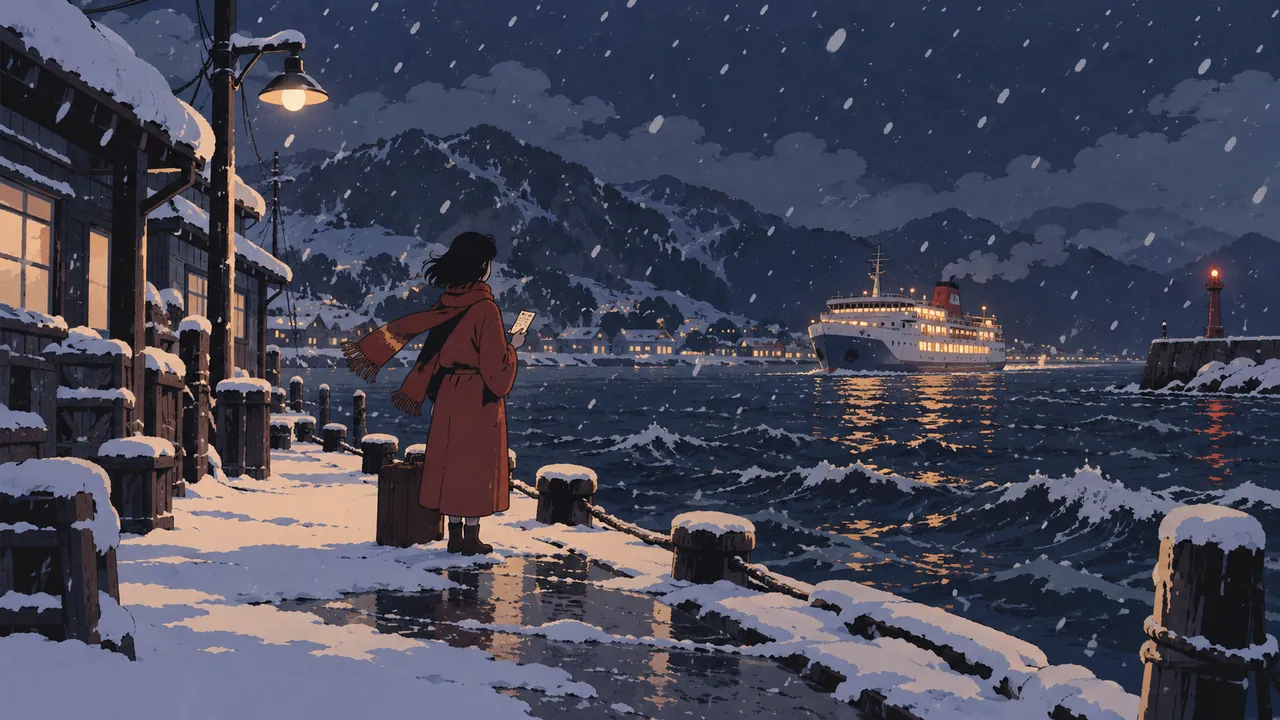
Lets a single farewell linger in long notes and turns, longer than the story itself.
- Era
- Postwar to 1970s
- Origin
- Japan
- Tempo
- Slow to mid
- Core instruments
- strings · shamisen · shakuhachi · vibrato vocals
AI prompt
Japanese language, Japanese vocals, Enka-inspired ballad, slow expressive phrasing, orchestral strings, restrained guitar, ornamented lead vocal, winter harbor, longing
168 charactersExplicitly include Japanese language, Japanese vocals to request singing in Japanese. Decide the scene and lead sound first, then adjust tempo and layering. These keywords are a starting point, not a request to imitate any specific artist.
Rhythm
Long sung lines pull against the accompaniment's pulse
Drums
Light kit or percussion; no need for constant strong beats
Bass
Supports the singing with roots and passing notes
Synths / arrangement
Strings, guitar, piano and traditional instruments as the work requires
Vocals
Ornamental turns (kobushi), slides and controlled vibrato; styles vary by singer
Narrative singing and melodic phrasing matter more than any traditional instrument.
- Period
- Modern enka developed within the postwar kayōkyoku system; this page starts from 1970s works
- Regions & spread
- Japan
This page covers modern enka. It is a different sound from the earlier political "enka" speech-songs of the same name, and it is not the whole of traditional Japanese music.
Social context
Records, radio, TV and the stage turned hometowns, journeys and partings into memories people could sing together.
Technology
Microphone singing and orchestral arrangement let subtle ornaments and powerful climaxes coexist.
Cultural psychology (interpretation)
Creative interpretation: the melody's circling is like reconfirming a relationship again and again; it suits feelings that can't be let go right away.
Tsugaru Kaikyō Fuyugeshiki (Tsugaru Strait, Winter Scene)
Sayuri Ishikawa / Song / listening linkListen to how the phrase-end ornaments and answering strings stretch the feeling of parting.
A letter on the way home that never gets sent
Keep the narrative voice and give the shots and lyrics room to breathe.
- What is Enka?
- Enka is a modern Japanese popular-song tradition. Lets a single farewell linger in long notes and turns, longer than the story itself. Period: Modern enka developed within the postwar kayōkyoku system; this page starts from 1970s works. Regions: Japan. Narrative singing and melodic phrasing matter more than any traditional instrument.
- How do I write a Suno prompt for Enka?
- Copy this full prompt:
Japanese language, Japanese vocals, Enka-inspired ballad, slow expressive phrasing, orchestral strings, restrained guitar, ornamented lead vocal, winter harbor, longing. Explicitly include Japanese language, Japanese vocals to request singing in Japanese. Decide the scene and lead sound first, then adjust tempo and layering. These keywords are a starting point, not a request to imitate any specific artist. - What BPM and instruments does Enka use?
- Mostly slow to mid tempo, paced by the breath of each phrase. Drums: Light kit or percussion; no need for constant strong beats Bass: Supports the singing with roots and passing notes Synths / arrangement: Strings, guitar, piano and traditional instruments as the work requires Vocals: Ornamental turns (kobushi), slides and controlled vibrato; styles vary by singer
- What Enka music should I start with?
- Start with “Tsugaru Kaikyō Fuyugeshiki (Tsugaru Strait, Winter Scene)” by Sayuri Ishikawa. The Key works tab notes what to listen for in each.
- What styles are similar to Enka?
- Kayōkyoku Same branch; J-Pop Same branch; City Pop Same branch; Shibuya-kei Same branch
Sources are used to check history, categories and works. Cultural psychology, visual language, creator uses, and the instrument and mood tags in the overview are editorial interpretation and do not speak for a whole community or an artist’s sole intent. Tempo ranges are only a starting point; listen to AI examples and adjust.
- 石川さゆり · 官方作品页 ↗Works and cultural background; sound, imagery and creator uses are editorial analysis