Trap
Hip-hop subgenre rooted in Southern US rap
Heavy low end slows time down while fine-grained rhythms keep speeding up between pressure and confidence.
- Era
- 1990s–2000s
- Origin
- Atlanta, USA
- Tempo
- 65–85 half-time BPM
- Core instruments
- 808 bass · rapid hi-hats · snare · rap
AI prompt
Original Southern hip-hop trap, 140 BPM grid with a 70 BPM half-time feel, tuned sustained 808 bass with a few purposeful slides, sparse kicks, crisp snare on the half-time backbeat, short triplet hi-hat rolls at phrase endings, a restrained original bell motif, calm assertive rap delivery with space between lines, a memorable short hook and a tense urban atmosphere
368 charactersThis is a modern half-time approach. Spell out both grid tempo and felt tempo; set downbeats and low end first, then specify local hat rolls. Add vocal triplets, Auto-Tune or intense ad-libs as the character needs, without treating technical options as the whole history.
Rhythm
A slow centre of gravity against fast subdivisions; hats can use sixteenths, thirty-seconds or short triplet rolls. A triplet rap flow is a vocal choice, not the same thing as triplet hats, and not every track has it.
Drums
A clear clap or snare and spacious kicks set the centre; hats create speed changes at phrase ends. Settle the main pulse first, then add local rolls.
Bass
Long-tail, tunable 808-style low end often doubles as the bass. Give the glides a melodic purpose and leave room for the kick, so the low end isn't just a boom.
Synths / arrangement
Short melodic loops, bells, keys or a little dark pad; sampled melodies also work, and bright timbres can coexist with heavy drums.
Vocals
Rap, melodic rap, repeated hooks and ad-libs can alternate; the voice can be hard, cool or vulnerable, and no single delivery sums up the whole tradition.
A common modern combination is a half-time centre, low-end tails and fast high-end detail; regional history and narrative viewpoint matter just as much, and 808s or triplets alone can't decide the category.
- Period
- Formed in Southern US rap in the 1990s and early 2000s; 2010s production further expanded its sonic vocabulary
- Regions & spread
- Atlanta and Southern US rap scenes · Later global rap and electronic production networks
The name comes from some local artists' accounts of places and circumstances tied to drug dealing. T.I. and DJ Toomp, Gucci Mane and Zaytoven and others are key threads; it can't be credited to one inventor. Early neighbourhood narratives and the later common long-tail 808s, rapid hats, melodic vocals and triplet flows shouldn't be compressed into one historical moment. This page centres on the rap tradition; trap in electronic dance music is a different context.
Social context
Atlanta's local rap, producer collaborations and in-car low-end listening created an environment for music that carries the pressure of making a living, declarations of identity and open flexing. These experiences belong to specific people and communities; they can't sum up all Black life, and crime narratives can't replace a whole city's music culture.
Technology
Drum-machine low end, sampling and digital arranging let producers precisely place sparse downbeats and dense subdivisions. The TR-808, launched in 1980, entered hip-hop long before and was later extended into a tunable, long-tail, gliding bass resource; the 808 wasn't invented when trap appeared. A 2016 joint interview with Metro Boomin, Sonny Digital and Zaytoven also shows the sound developing through collaboration across generations of producers.
Cultural psychology (interpretation)
Creative interpretation: low end and a half-time centre press the body to the ground while hats and vocals keep surging forward. It can express control amid danger, a victory stance or weary repetition; decide the character's stance first, then how hard the sound should be.
24’s
T.I. / Song / early case from Trap MuzikStart from the low-end centre, clear downbeats and T.I.'s vocal stance, then notice the space the main loop leaves for the rap. Atlantic's official notes confirm the song is from Trap Muzik and appeared in Need for Speed: Underground; it's a good case for how local rap became the sound of driving scenes. Don't take the official video's 2009 upload date as the song's release date.
Mask Off
Future / Song / later melodic trap caseHear how the flute loop and heavy low end form a light-against-heavy contrast, then how subdivided hats, repeated vocals and space keep it moving. Listen alongside 24's to observe trap's changes across eras; not every track needs the same dense hat rolls.
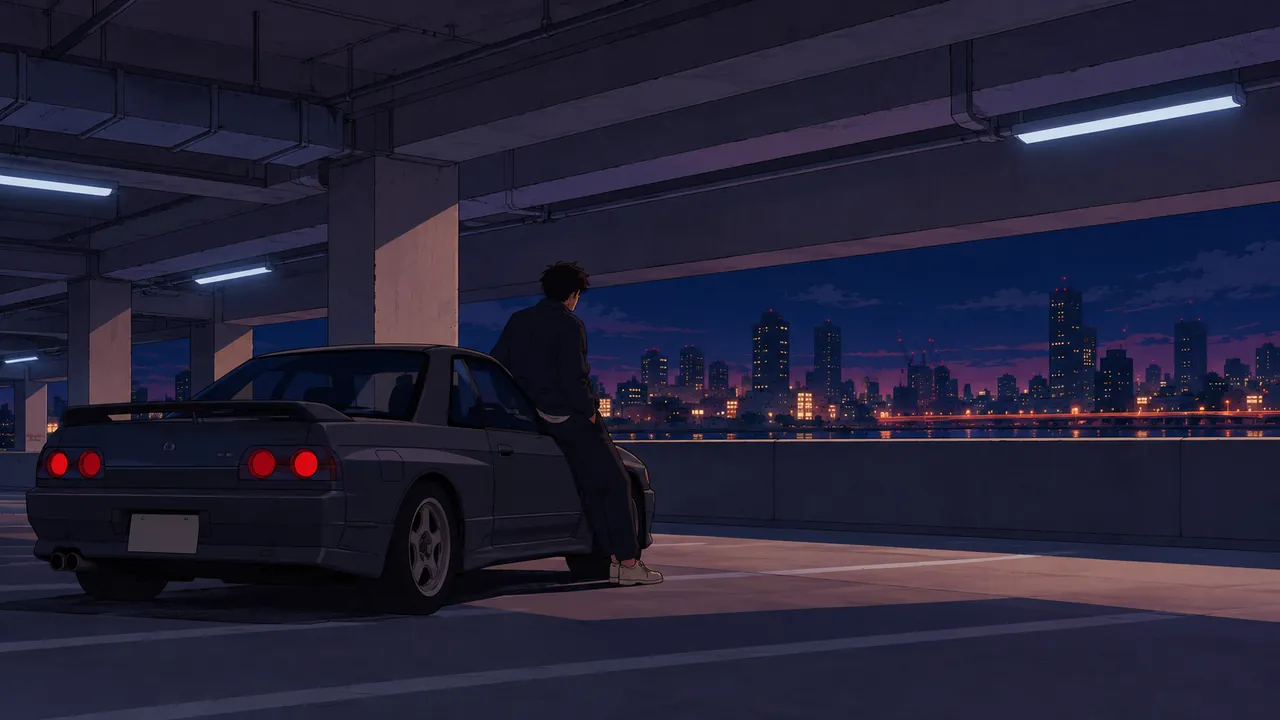
Racing, deals and character entrances in a city's lower levels
Half-time low end shows mass and pressure, and a few high-end changes show a character always ready to react; let the plot decide the stance rather than regional or ethnic stereotypes.
A pressured monologue beneath a tough exterior
Keep the drum weight, cut flashy leads, and give melodic vocals and long silences to the character's weariness and contradictions.
Beat-driven montage for driving or battles
Land key cuts on steady downbeats and mark action turns with short hat rolls; tension doesn't need constant acceleration.
- What is Trap?
- Trap is a hip-hop subgenre rooted in Southern US rap. Heavy low end slows time down while fine-grained rhythms keep speeding up between pressure and confidence. Period: Formed in Southern US rap in the 1990s and early 2000s; 2010s production further expanded its sonic vocabulary. Regions: Atlanta and Southern US rap scenes, Later global rap and electronic production networks. A common modern combination is a half-time centre, low-end tails and fast high-end detail; regional history and narrative viewpoint matter just as much, and 808s or triplets alone can't decide the category.
- How do I write a Suno prompt for Trap?
- Copy this full prompt:
Original Southern hip-hop trap, 140 BPM grid with a 70 BPM half-time feel, tuned sustained 808 bass with a few purposeful slides, sparse kicks, crisp snare on the half-time backbeat, short triplet hi-hat rolls at phrase endings, a restrained original bell motif, calm assertive rap delivery with space between lines, a memorable short hook and a tense urban atmosphere. This is a modern half-time approach. Spell out both grid tempo and felt tempo; set downbeats and low end first, then specify local hat rolls. Add vocal triplets, Auto-Tune or intense ad-libs as the character needs, without treating technical options as the whole history. - What BPM and instruments does Trap use?
- The modern half-time approach here can start at a felt 65–85 BPM, which can also be counted on the grid as 130–170 BPM double-time; both may describe the same groove, and this isn't the tempo range of all trap.. Drums: A clear clap or snare and spacious kicks set the centre; hats create speed changes at phrase ends. Settle the main pulse first, then add local rolls. Bass: Long-tail, tunable 808-style low end often doubles as the bass. Give the glides a melodic purpose and leave room for the kick, so the low end isn't just a boom. Synths / arrangement: Short melodic loops, bells, keys or a little dark pad; sampled melodies also work, and bright timbres can coexist with heavy drums. Vocals: Rap, melodic rap, repeated hooks and ad-libs can alternate; the voice can be hard, cool or vulnerable, and no single delivery sums up the whole tradition.
- What Trap music should I start with?
- Start with “24’s” by T.I.; “Mask Off” by Future. The Key works tab notes what to listen for in each.
Sources are used to check history, categories and works. Cultural psychology, visual language, creator uses, and the instrument and mood tags in the overview are editorial interpretation and do not speak for a whole community or an artist’s sole intent. Tempo ranges are only a starting point; listen to AI examples and adjust.
- Red Bull Music Academy · DJ Toomp 2008 访谈 ↗A producer's first-person account: Atlanta's local sound, the community usage behind "trap", and in-car listening's demand for low end and slower grooves; personal experience doesn't represent every community.
- Red Bull Music Academy · Metro Boomin, Sonny Digital, Zaytoven 2016 访谈 ↗Three producers discussing trap, Gucci Mane, sampling, collaboration and predecessors' influence; used to separate early relationships from later production development, without naming a single inventor.
- Roland · Retracing the Roland Sound in Hip-Hop ↗The manufacturer's equipment history: the TR-808 launched in 1980 and entered hip-hop before trap; not the sole basis for dating trap's origins.
- Atlantic Records · 24’s 官方视频 ↗Confirms the specific song, its link to the Trap Muzik album and its use in Need for Speed: Underground; listening details are this page's creative analysis.
- Future · Mask Off 官方视频 ↗Official listening link for the later work; used to compare melodic loops with low and high rhythmic layers, not as a universal recipe for the genre.