Minimalist Score
Compositional method and narrative direction
Lets small changes accumulate until they shift the weight of a whole stretch of time.
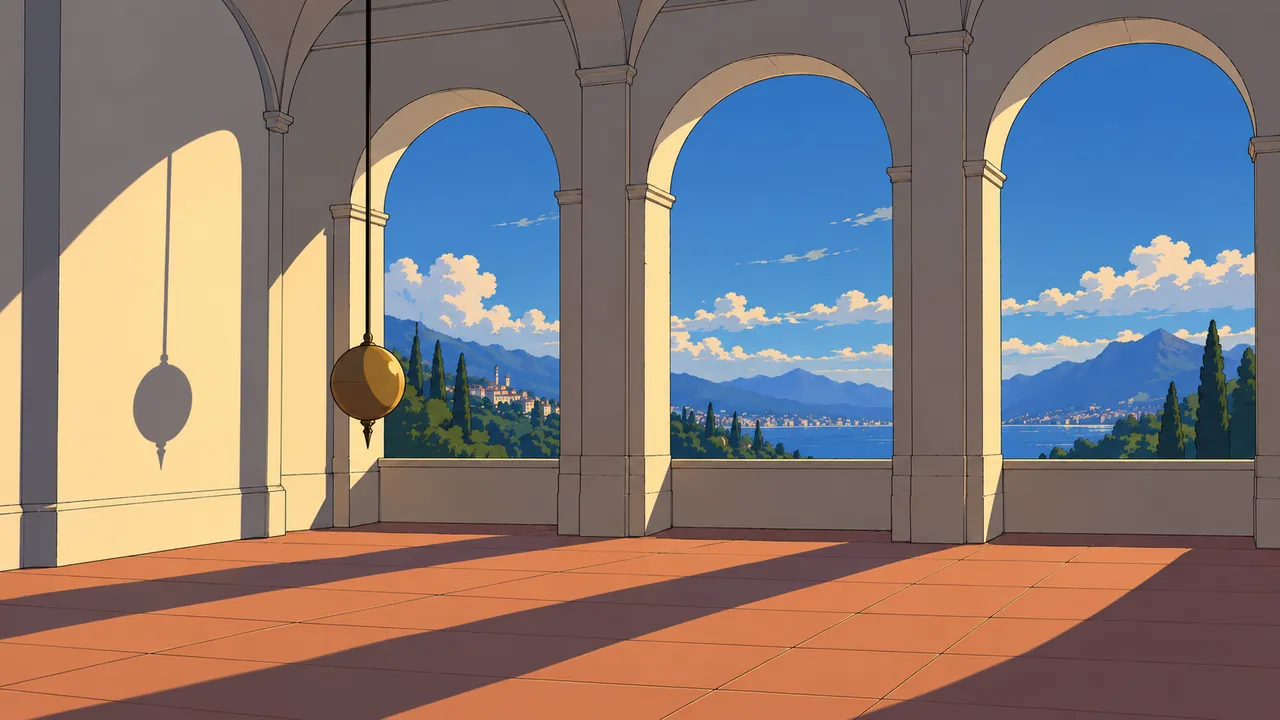
- Era
- 1960s onward
- Origin
- USA
- Tempo
- 60–100 BPM
- Core instruments
- piano · string loops · repeated figures
AI prompt
Minimalist cinematic score, 78 BPM, one short original repeating piano motif, steady pulse, sparse sustained strings, gradual layering with one small change at a time, slow harmonic movement, instrumental, patient observation of an orderly room becoming slightly unfamiliar, restrained dynamics
294 charactersDescribe what changes at each interval, such as adding only one string layer. Few instruments is just a starting point; the point is how the loop develops. Don't write minimalism as never changing.
Rhythm
Short figures repeating, layers stacking and gradual change; a steady pulse doesn't mean the phrase never changes.
Drums
The pulse is often carried by piano, keys or strings; a drum kit isn't necessarily needed.
Bass
Sustained notes or simple repeating bass give a reference; changing one bass note can change the meaning of the whole loop.
Synths / arrangement
Piano, organ, woodwinds, strings or synths; keep part boundaries clear and density changing slowly.
Vocals
Can be wordless, or use repeated phrases, choir or non-narrative vocal parts.
Give change an order: figure, register, orchestration and harmony needn't all change at once.
- Period
- 1960s repetitive-structure music is key background; wide film and video use since the 1980s
- Regions & spread
- US experimental music and the New York art scene · International film and moving-image production
Minimalist scoring can borrow short motifs, steady pulses and gradual processes, but it isn't all quiet piano music. Philip Glass developed a personal language from repetitive structure; Koyaanisqatsi connected it with dialogue-free images, and Michael Nyman's The Piano shows how loops can become a character's expression.
Social context
Experimental music explored ways of organising time other than traditional long thematic development; filmmakers also needed music to link observation, process and continuously unfolding events.
Technology
Amplified small ensembles, keyboards and multitrack recording supported clear loop layers; digital production made tiny changes even easier, but repetitive structure doesn't depend on computers.
Cultural psychology (interpretation)
Creative interpretation: repetition gives a stable reference, so one note fewer, one added part or one late chord can become a noticeable event. It can express focus, or let order slowly turn into pressure.
The Grid · Koyaanisqatsi
Philip Glass / Philip Glass Ensemble / Film score track / 1998 re-recordingChoose The Grid from the official tracklist and compare how sustained notes and fast repeating layers relay, noticing how density builds. This page links to notes on the 1998 version, whose length differs from the abridged 1983 soundtrack.
The Heart Asks Pleasure First · The Piano
Michael Nyman / Film theme / 2005 Composer's Cut performanceHear how the looping accompaniment supports a vivid melody, making the music feel like a character's language; compare with Glass's process-based passages. The official page links to a later concert performance, not the original recording in the 1993 film.
Orbital facilities, a city in operation and time experiments
Give the system rules with steady loops, then let a few shifts hint that the system or observer is changing.
Repressed expression, focus or obsession
Let repetition stand for thoughts a character keeps returning to; one harmonic turn can feel more like a psychological shift than a sudden change of song.
Dialogue-free observation and process montage
Links many images without milking each one, placing change on a longer time scale.
- What is Minimalist Score?
- Minimalist Score is a compositional method and narrative direction. Lets small changes accumulate until they shift the weight of a whole stretch of time. Period: 1960s repetitive-structure music is key background; wide film and video use since the 1980s. Regions: US experimental music and the New York art scene, International film and moving-image production. Give change an order: figure, register, orchestration and harmony needn't all change at once.
- How do I write a Suno prompt for Minimalist Score?
- Copy this full prompt:
Minimalist cinematic score, 78 BPM, one short original repeating piano motif, steady pulse, sparse sustained strings, gradual layering with one small change at a time, slow harmonic movement, instrumental, patient observation of an orderly room becoming slightly unfamiliar, restrained dynamics. Describe what changes at each interval, such as adding only one string layer. Few instruments is just a starting point; the point is how the loop develops. Don't write minimalism as never changing. - What BPM and instruments does Minimalist Score use?
- No single BPM; practise from a steady 60–100 BPM pulse, or use denser subdivisions for a sense of speed. Drums: The pulse is often carried by piano, keys or strings; a drum kit isn't necessarily needed. Bass: Sustained notes or simple repeating bass give a reference; changing one bass note can change the meaning of the whole loop. Synths / arrangement: Piano, organ, woodwinds, strings or synths; keep part boundaries clear and density changing slowly. Vocals: Can be wordless, or use repeated phrases, choir or non-narrative vocal parts.
- What Minimalist Score music should I start with?
- Start with “The Grid · Koyaanisqatsi” by Philip Glass / Philip Glass Ensemble; “The Heart Asks Pleasure First · The Piano” by Michael Nyman. The Key works tab notes what to listen for in each.
- What styles are similar to Minimalist Score?
- Indie Folk Similar mood · Melancholy & lonely; Neoclassical / Modern Classical Piano Similar mood · Calm & focused; Anime Ballad Ending Similar mood · Melancholy & lonely; Spaghetti Western Same branch
Sources are used to check history, categories and works. Cultural psychology, visual language, creator uses, and the instrument and mood tags in the overview are editorial interpretation and do not speak for a whole community or an artist’s sole intent. Tempo ranges are only a starting point; listen to AI examples and adjust.
- Philip Glass · Biography ↗1960s background, New York ensemble practice and a personal language of repetitive music
- Philip Glass · Koyaanisqatsi 作品 ↗The creative link between a 1982 dialogue-free film and its score
- Philip Glass · Koyaanisqatsi 1998 录音 ↗The specific track The Grid and differences between versions
- Michael Nyman · The Piano ↗Character expression in the 1993 film, the theme track and the distinction from the 2005 concert version