Progressive Metal
Metal subgenre
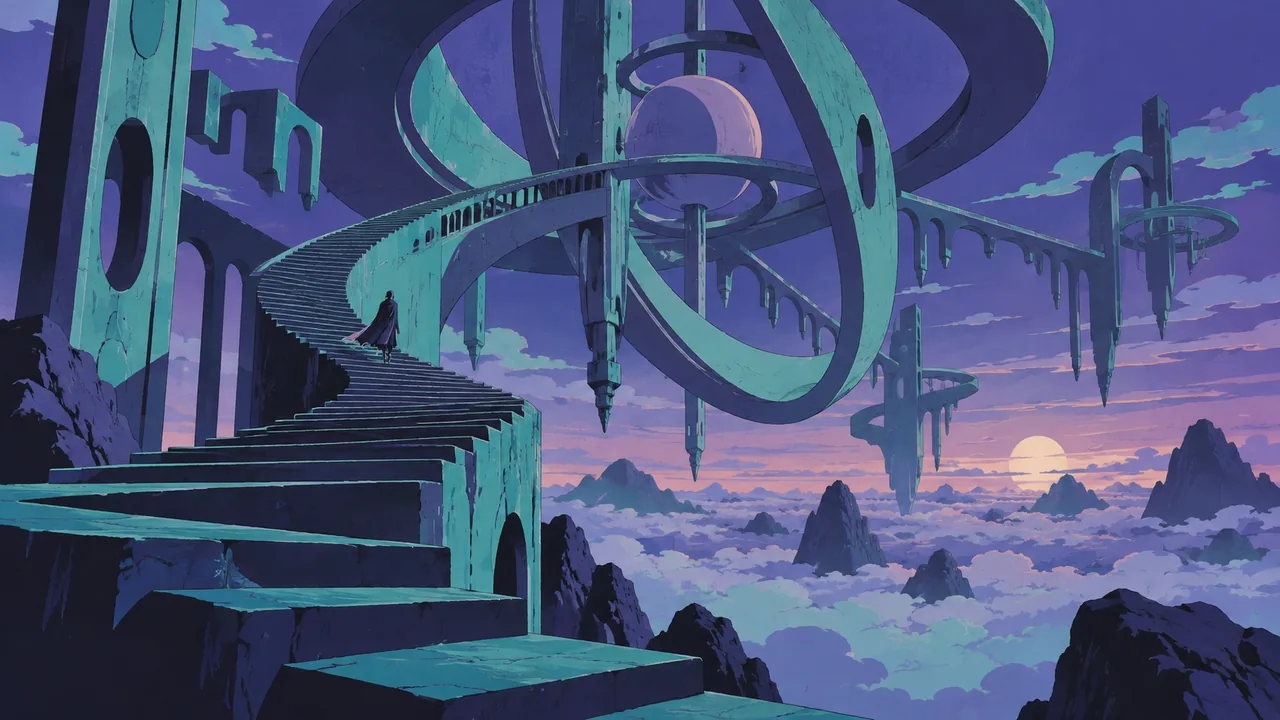
Odd meters, long forms and precise playing, metal designed like architecture.
- Era
- Late 1980s–present
- Origin
- USA · Sweden
- Tempo
- 80–160 BPM
- Core instruments
- extended-range guitar · keyboards · drum kit
AI prompt
Progressive metal with djent influence, 120 BPM, 7/8 time signature, syncopated low eight-string guitar chugs, clean ambient arpeggios, precise polyrhythmic drums, soaring clean male vocals, atmospheric synth pads, intricate and expansive
238 charactersNaming a meter (7/8, 5/4) works better than writing complex; for modern low chugs write djent.
Rhythm
Odd meters like 7/8 and 5/4, polyrhythms, multi-part long forms.
Drums
Precise syncopation and double kick; the drummer is often the technical core.
Bass
Bass syncopates with low guitars (djent) or plays independent lines.
Synths / arrangement
Extended-range low syncopated riffs, clean arpeggios and keyboard solos.
Vocals
Mostly clean vocals, switching with harsh ones.
The djent chug lands in irregular spots, alternating with clear ambient passages.
- Period
- Formed late 1980s; djent rose in the late 2000s
- Regions & spread
- USA · Sweden and UK
Dream Theater, Queensrÿche and Fates Warning brought prog rock complexity into metal; Opeth blended death metal and folk, Tool leaned into atmosphere and groove, and Meshuggah's syncopated low riffs spawned djent (Periphery, TesseracT).
Social context
Conservatory-trained players wanted to show composition and chops in heavy music.
Technology
Seven- and eight-string guitars and amp modelling kept very low ranges clear.
Cultural psychology (interpretation)
Creative interpretation: When patterns break and reassemble, the brain gets a puzzle-solving thrill.
Images and Words
Dream Theater / AlbumHear keyboard-guitar unison runs and long forms rare in metal.
Periphery II: This Time It's Personal
Periphery / AlbumCompare djent: low syncopated riffs paired with pop-like clean choruses.
Megastructures, puzzle spaces and alien civilizations
Irregular rhythms bring a precise yet alien sense of order.
- What is Progressive Metal?
- Progressive Metal is a metal subgenre. Odd meters, long forms and precise playing, metal designed like architecture. Period: Formed late 1980s; djent rose in the late 2000s. Regions: USA, Sweden and UK. The djent chug lands in irregular spots, alternating with clear ambient passages.
- How do I write a Suno prompt for Progressive Metal?
- Copy this full prompt:
Progressive metal with djent influence, 120 BPM, 7/8 time signature, syncopated low eight-string guitar chugs, clean ambient arpeggios, precise polyrhythmic drums, soaring clean male vocals, atmospheric synth pads, intricate and expansive. Naming a meter (7/8, 5/4) works better than writing complex; for modern low chugs write djent. - What BPM and instruments does Progressive Metal use?
- Usually 80–160 BPM with frequent meter changes. Drums: Precise syncopation and double kick; the drummer is often the technical core. Bass: Bass syncopates with low guitars (djent) or plays independent lines. Synths / arrangement: Extended-range low syncopated riffs, clean arpeggios and keyboard solos. Vocals: Mostly clean vocals, switching with harsh ones.
- What Progressive Metal music should I start with?
- Start with “Images and Words” by Dream Theater; “Periphery II: This Time It's Personal” by Periphery. The Key works tab notes what to listen for in each.
- What styles are similar to Progressive Metal?
- Metalcore Same branch; Industrial Metal Same branch; Post-Metal Same branch; Deathcore Same branch
Sources are used to check history, categories and works. Cultural psychology, visual language, creator uses, and the instrument and mood tags in the overview are editorial interpretation and do not speak for a whole community or an artist’s sole intent. Tempo ranges are only a starting point; listen to AI examples and adjust.
- Wikipedia · Progressive metal ↗Works and cultural background; sound, imagery and creator uses are editorial analysis
- Wikipedia · Images and Words ↗Works and cultural background; sound, imagery and creator uses are editorial analysis