Country
American popular music family
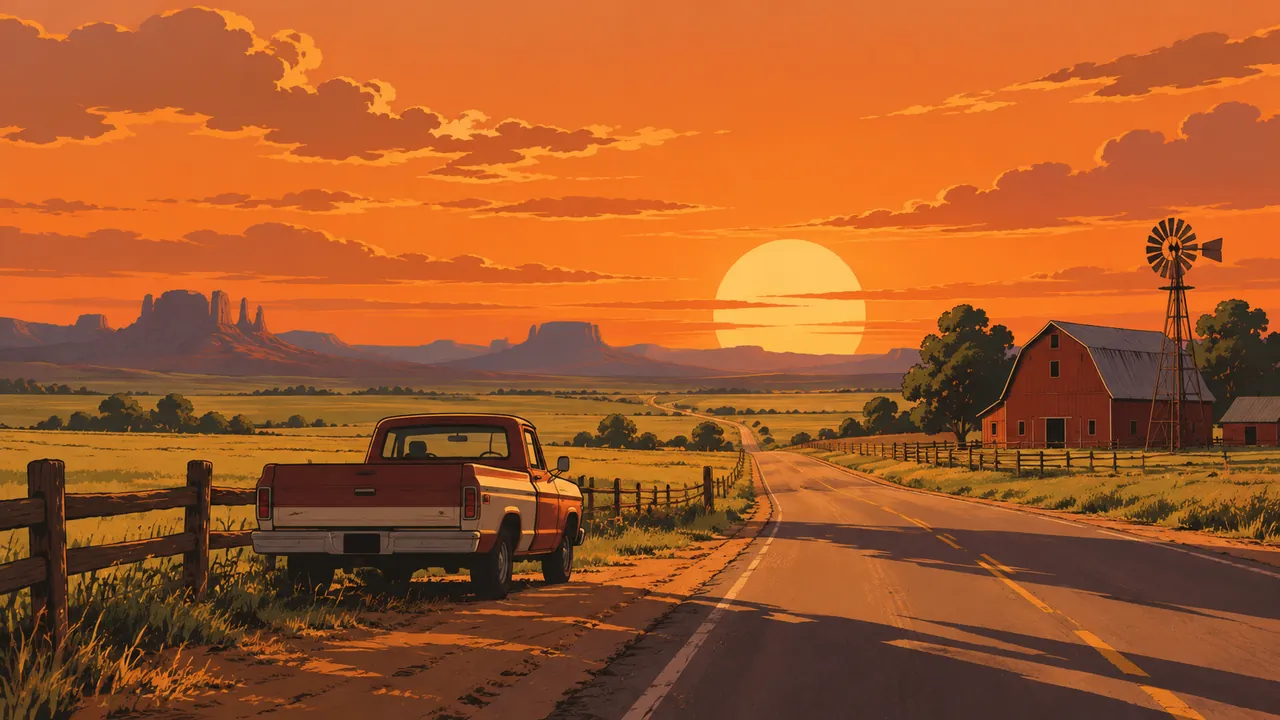
Pickup trucks, highways and small-town heartbreak, sung in the plainest melodies.
- Era
- 1920s
- Origin
- US South · Nashville
- Tempo
- 80–130 BPM
- Core instruments
- pedal steel · fiddle · acoustic guitar · banjo
AI prompt
Country, 104 BPM, strummed acoustic guitar, twangy electric guitar licks, pedal steel guitar slides, fiddle fills, steady boom-chick drums and walking bass, warm storytelling vocal with harmonies, open highway at sunset, heartfelt
230 charactersPedal steel and fiddle define country best; write country pop for something poppier, honky-tonk or bluegrass for something traditional.
Rhythm
Two-step boom-chick or a steady four, often with a light shuffle.
Drums
Light live drums, frequent cross-stick snare.
Bass
Walking bass alternating root and fifth.
Synths / arrangement
Acoustic guitar, twangy electric guitar, pedal steel, fiddle, banjo.
Vocals
Storytelling vocals with a twang and regional accent, often with harmonies.
Pedal-steel slides and fiddle tell you it's country at first listen.
- Period
- Formed in the 1920s and still evolving
- Regions & spread
- The American South and Appalachia · centred on Nashville, Tennessee
It draws on Appalachian British and Celtic folk songs and African American blues and banjo traditions. Honky-tonk, the Nashville sound, outlaw country and today's country pop each have their own face; bluegrass is a neighbouring tradition that is more acoustic and fast-picked.
Social context
Rural and working-class everyday life, faith, family and farewells are its eternal subjects.
Technology
Radio shows like the Grand Ole Opry and Nashville's recording industry made it a national music.
Cultural psychology (interpretation)
Creative interpretation: plain lyrics and familiar chords let listeners easily put themselves into the story.
Jolene
Dolly Parton / SongHear the rapid fingerpicked guitar create unease, and the voice make a plea plain and moving.
I Walk the Line
Johnny Cash / SongCompare the classic pairing of a deep male voice and boom-chick train-beat guitar.
A cross-country road trip
Pedal steel and open harmony instantly create a horizon-wide sense of space.
- What is Country?
- Country is an american popular music family. Pickup trucks, highways and small-town heartbreak, sung in the plainest melodies. Period: Formed in the 1920s and still evolving. Regions: The American South and Appalachia, centred on Nashville, Tennessee. Pedal-steel slides and fiddle tell you it's country at first listen.
- How do I write a Suno prompt for Country?
- Copy this full prompt:
Country, 104 BPM, strummed acoustic guitar, twangy electric guitar licks, pedal steel guitar slides, fiddle fills, steady boom-chick drums and walking bass, warm storytelling vocal with harmonies, open highway at sunset, heartfelt. Pedal steel and fiddle define country best; write country pop for something poppier, honky-tonk or bluegrass for something traditional. - What BPM and instruments does Country use?
- Usually 80–130 BPM. Drums: Light live drums, frequent cross-stick snare. Bass: Walking bass alternating root and fifth. Synths / arrangement: Acoustic guitar, twangy electric guitar, pedal steel, fiddle, banjo. Vocals: Storytelling vocals with a twang and regional accent, often with harmonies.
- What Country music should I start with?
- Start with “Jolene” by Dolly Parton; “I Walk the Line” by Johnny Cash. The Key works tab notes what to listen for in each.
- What styles are similar to Country?
- Country Pop Same branch; Bluegrass Same branch; Americana Same branch; Indie Pop Similar mood · Warm & intimate
Sources are used to check history, categories and works. Cultural psychology, visual language, creator uses, and the instrument and mood tags in the overview are editorial interpretation and do not speak for a whole community or an artist’s sole intent. Tempo ranges are only a starting point; listen to AI examples and adjust.
- Wikipedia · Country music ↗Works and cultural background; sound, imagery and creator uses are editorial analysis
- Wikipedia · Jolene ↗Works and cultural background; sound, imagery and creator uses are editorial analysis