World Music
Latin America, the Caribbean, Africa, Europe, the Middle East and South Asia: the world's dance steps and melodies.
This family is grouped by region, each style with its own rhythm patterns and instruments. In Suno prompts, naming instruments and rhythm patterns (clave, dhol, log drum, accordion) works far better than naming a country.
What they share
- Distinct rhythm patterns
- Regional instruments
- Mostly dance music
Branches
- Latin
Clave, accordion and bandoneón: Latin America's dance halls and streets.
 Caribbean
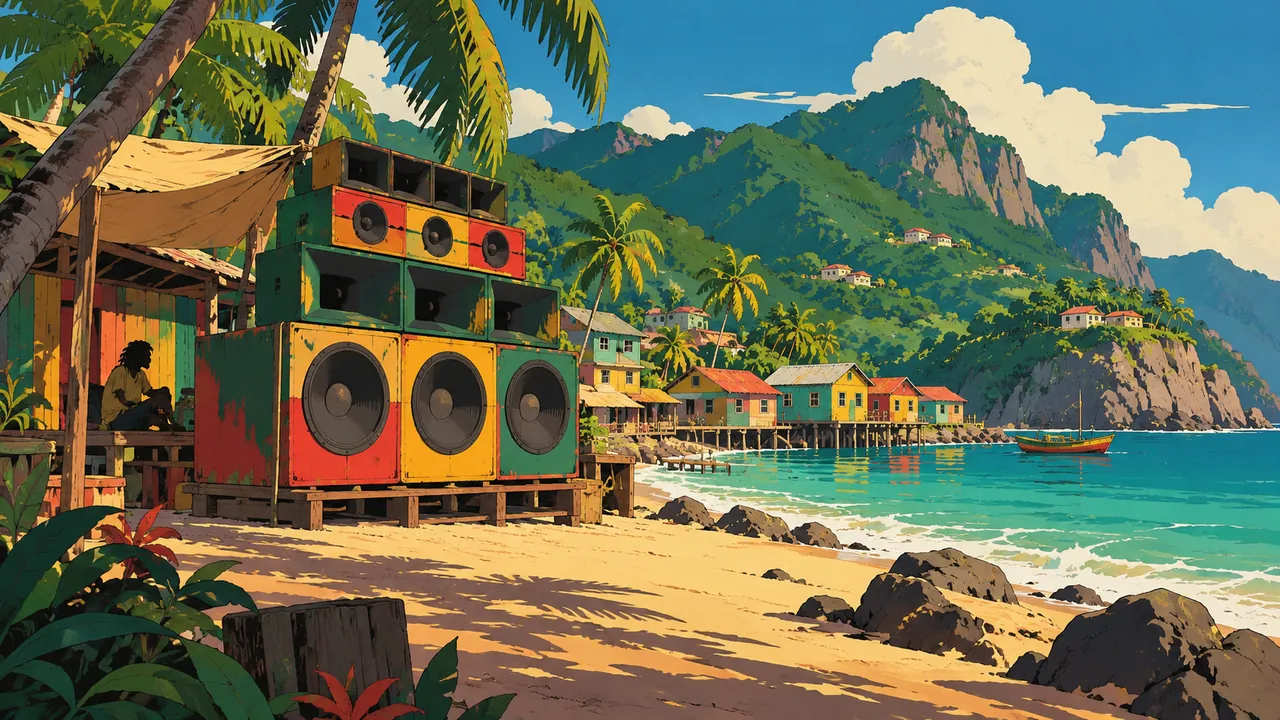
Jamaica's offbeat and sound systems: reggae and dancehall.

 Africa
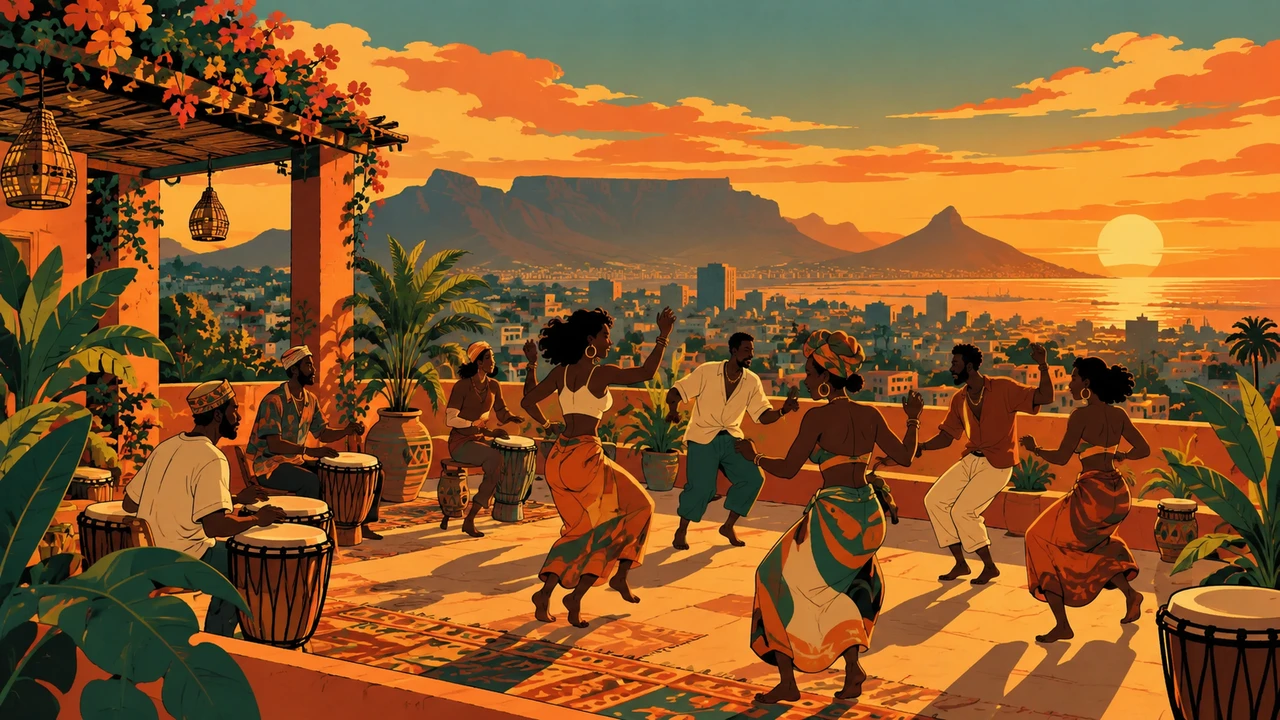
Contemporary African dance music gone global: Afrobeats and Amapiano.
 Europe
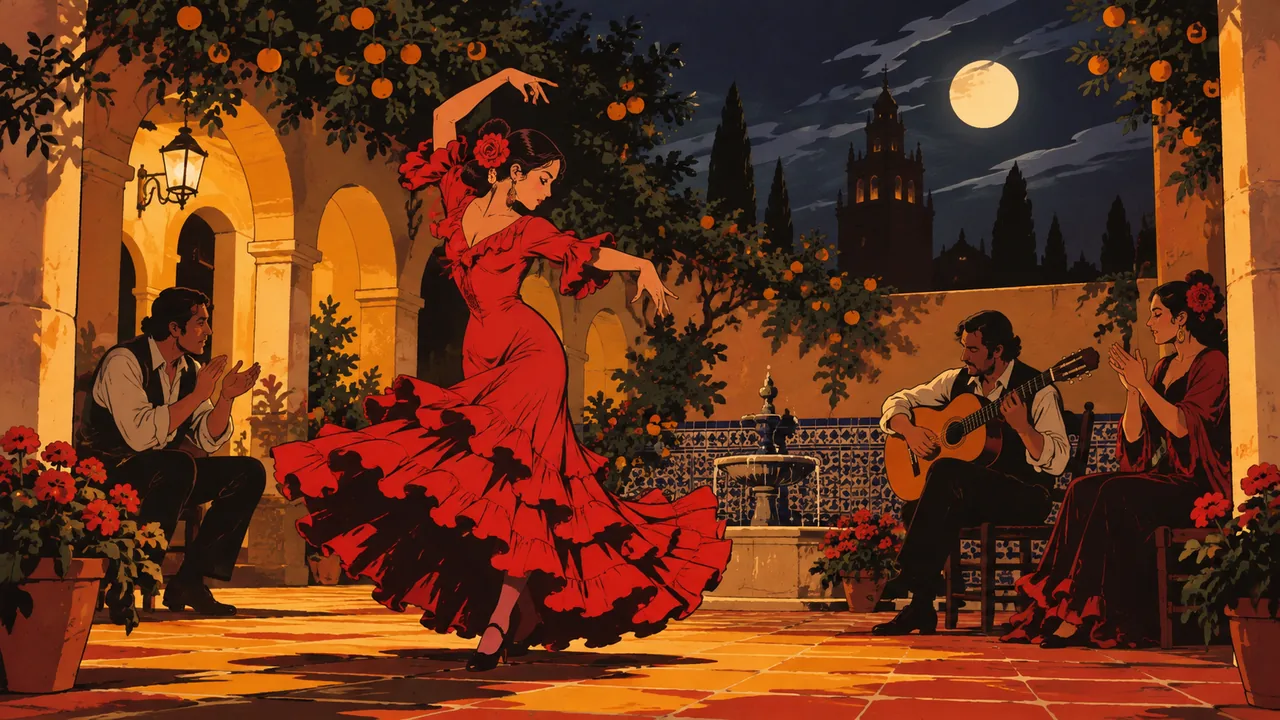
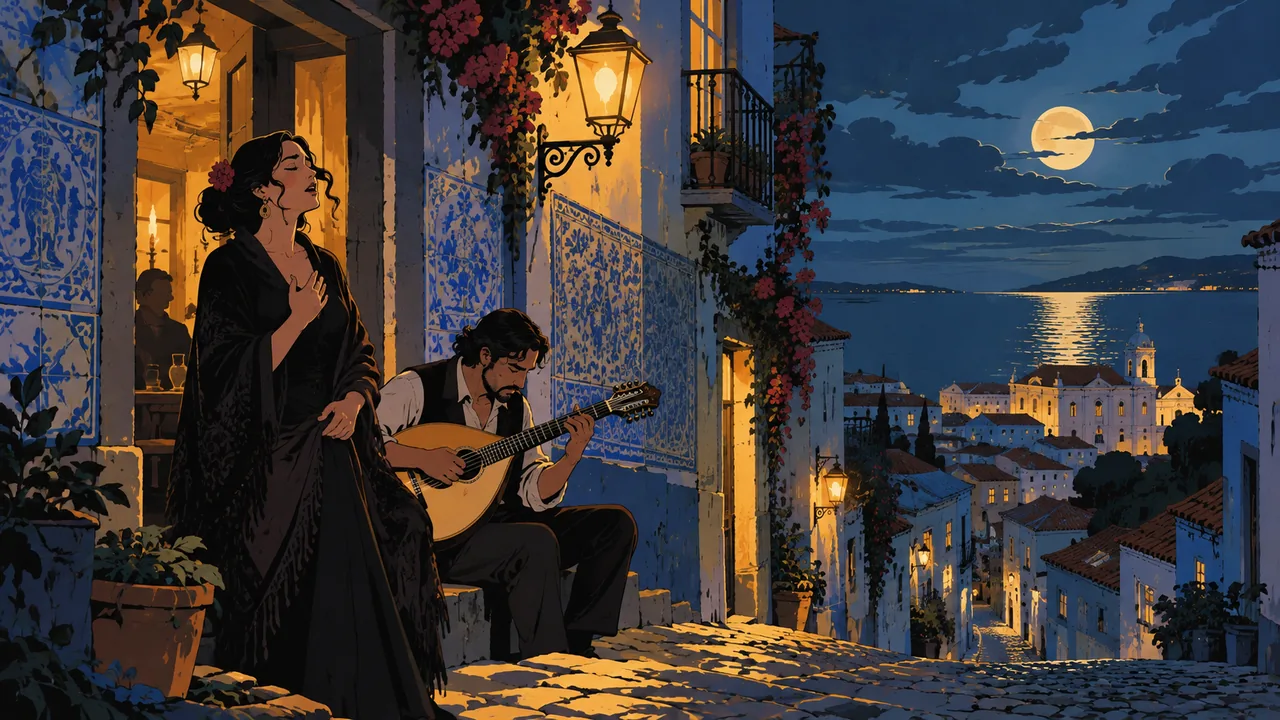
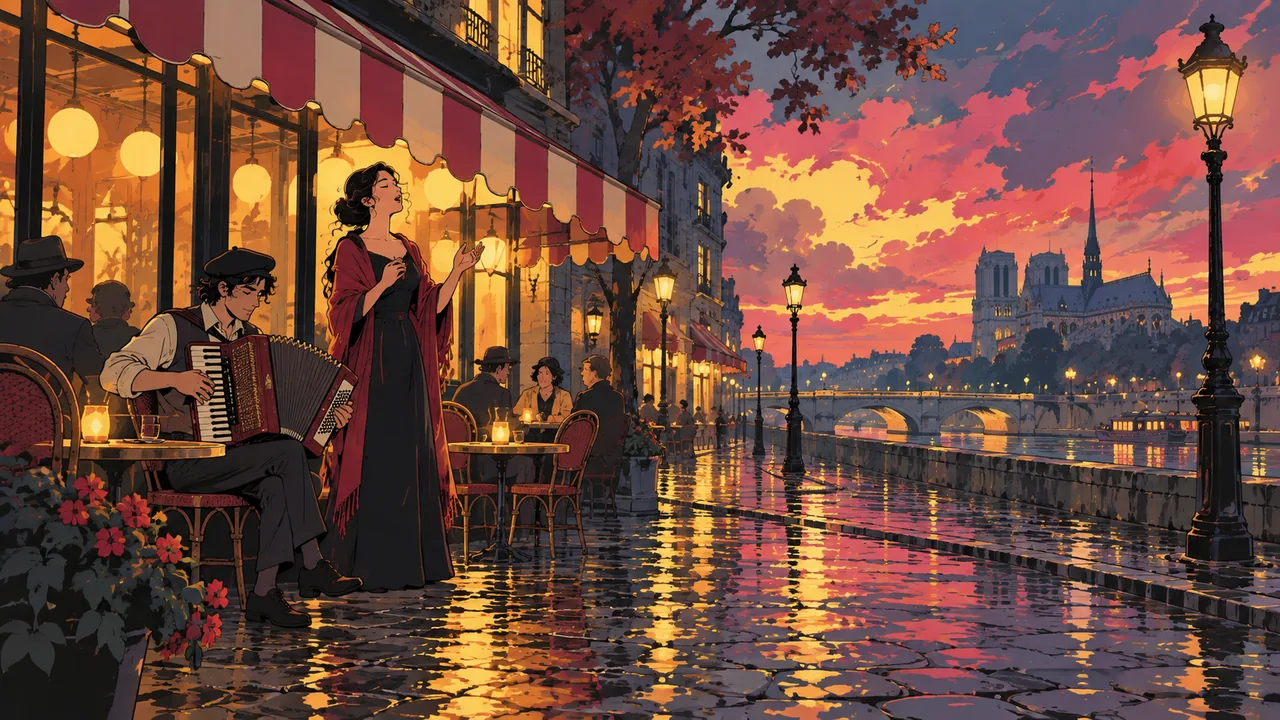
Flamenco, fado, chanson, Balkan brass and Russian folk: Europe's passion and longing.

 Middle East & South Asia
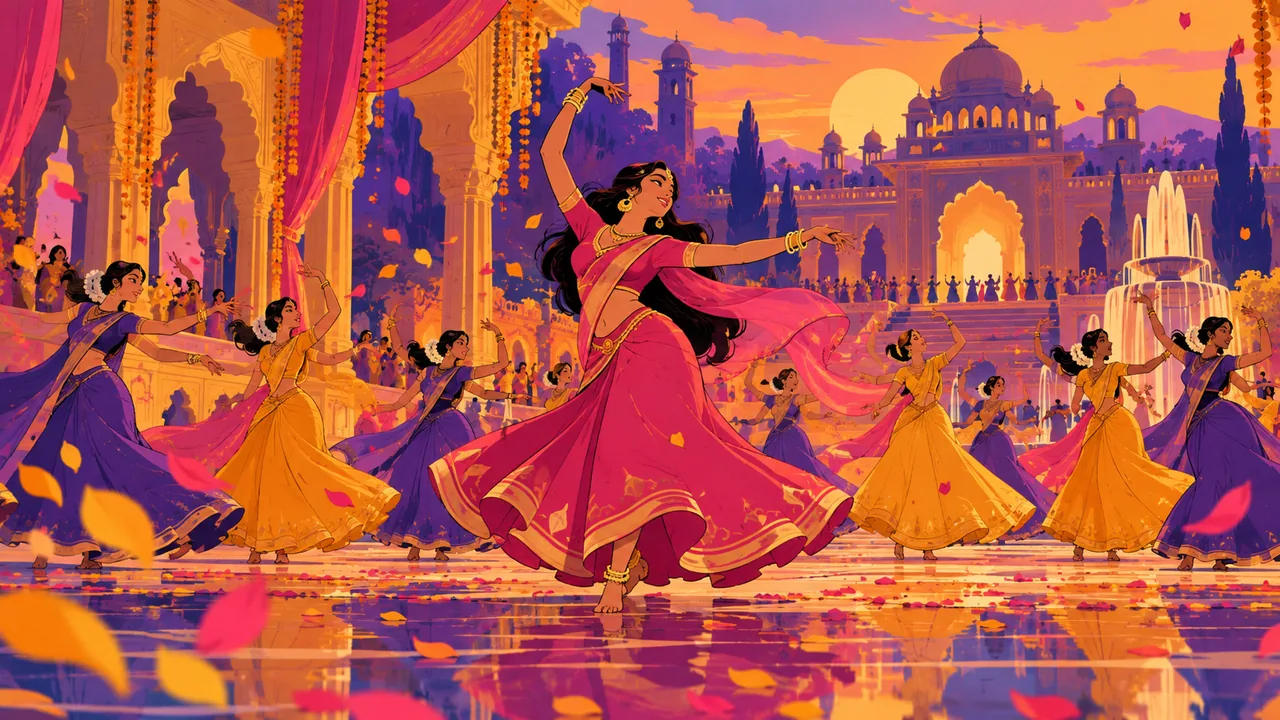
Arabic pop and Bollywood: Middle Eastern nights and Indian song and dance.
All styles
- Salsa
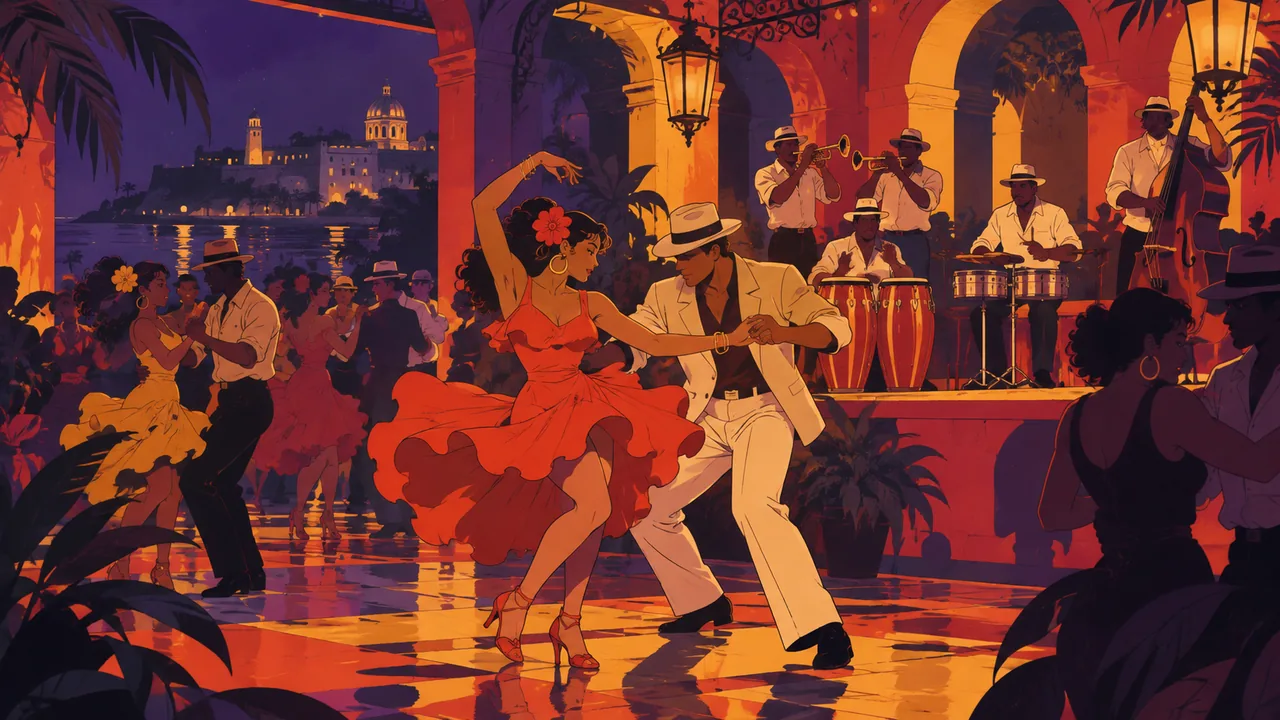
Horns, piano montuno and clave rhythm set the whole dance floor spinning.
- Tango
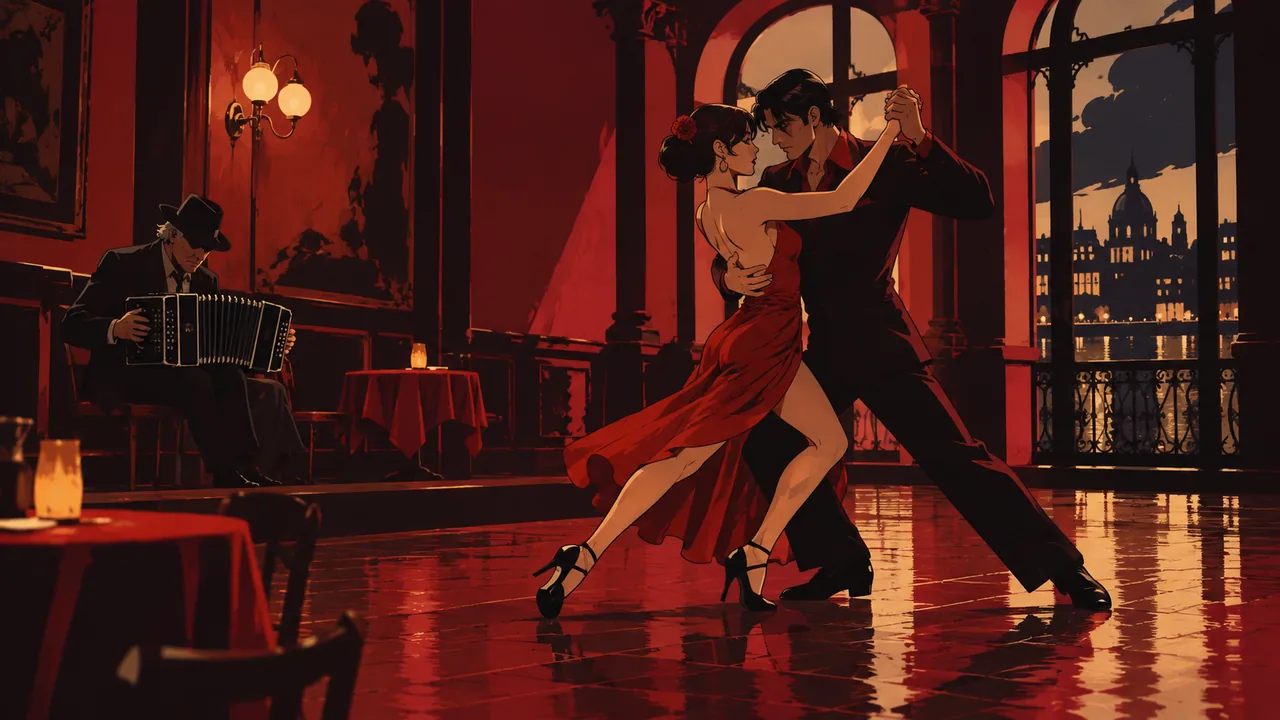
The bandoneón's sighs and staccato writing a dangerous love story in a dim dance hall.
- Cumbia
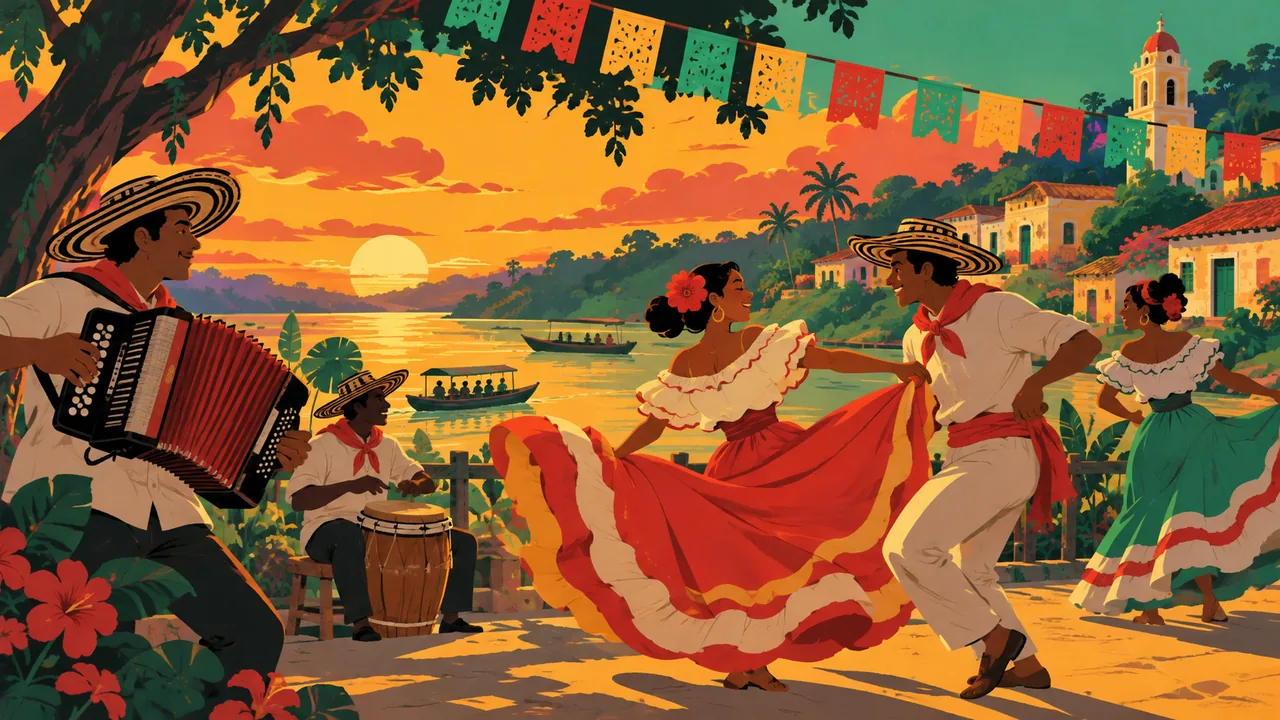
Accordion and guacharaca's two-step shuffle, the riverside town dance that's slow yet impossible to stop.
- Samba
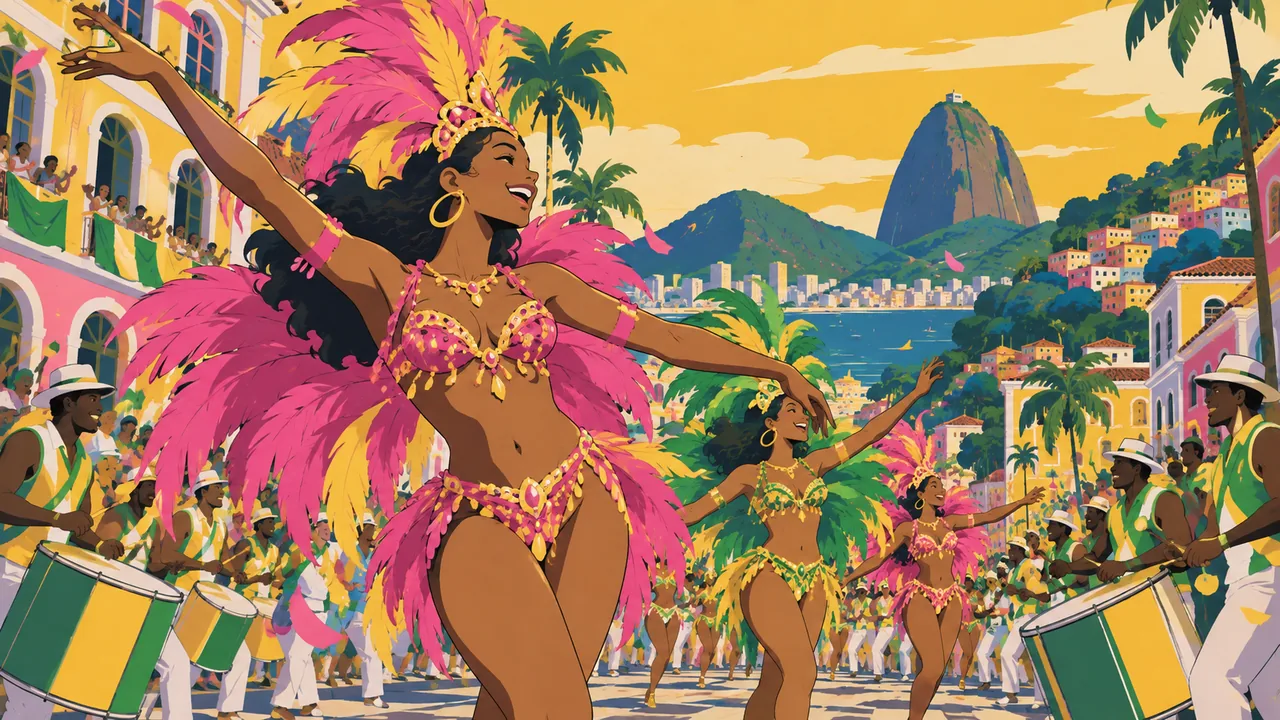
The rolling rhythm of a full percussion corps, the heartbeat of the carnival parade.
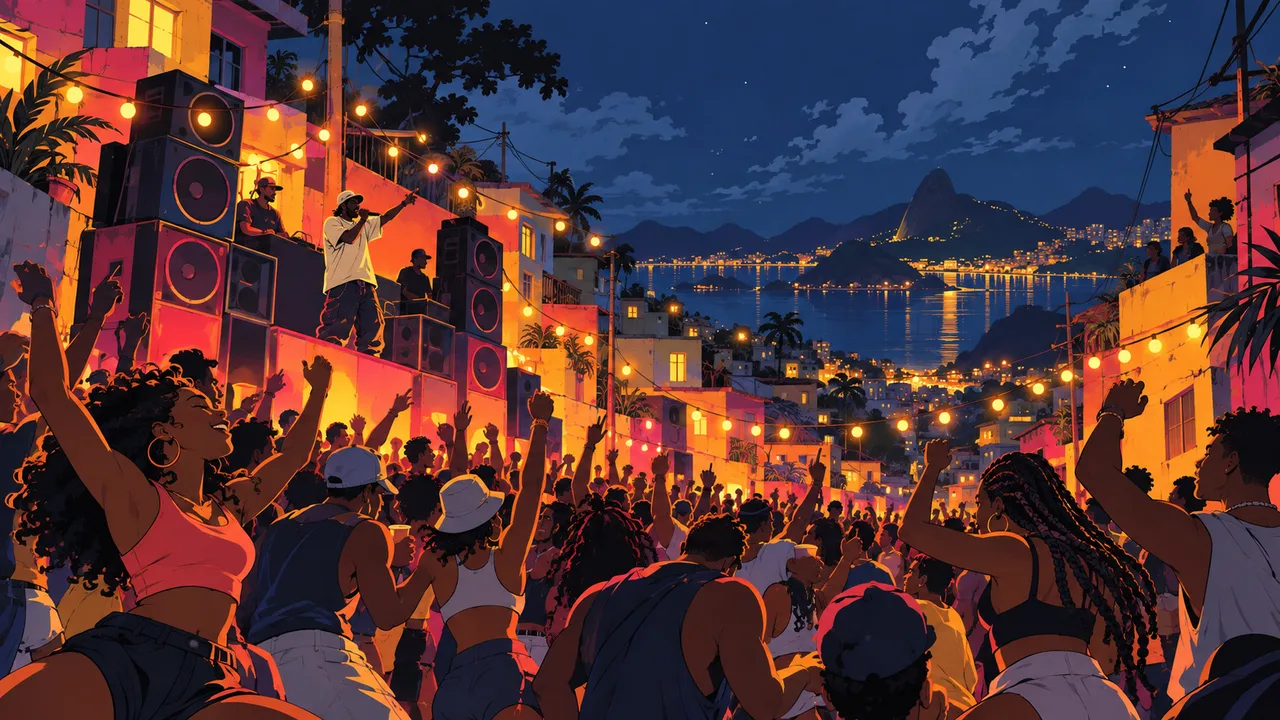 Brazilian Funk (Funk Carioca)
Street parties in Rio's hillside communities: bouncing drum-machine beats, a wall of speakers and an MC's chants.
 Sertanejo
Guitar, accordion and two-part harmony singing about heartbreak: Brazil's most-played national pop music.
 Bachata
Bright, trembling guitars and romantic voices, the Dominican love song danced close.
 Reggaeton
One dembow rhythm, and the whole city sways together.
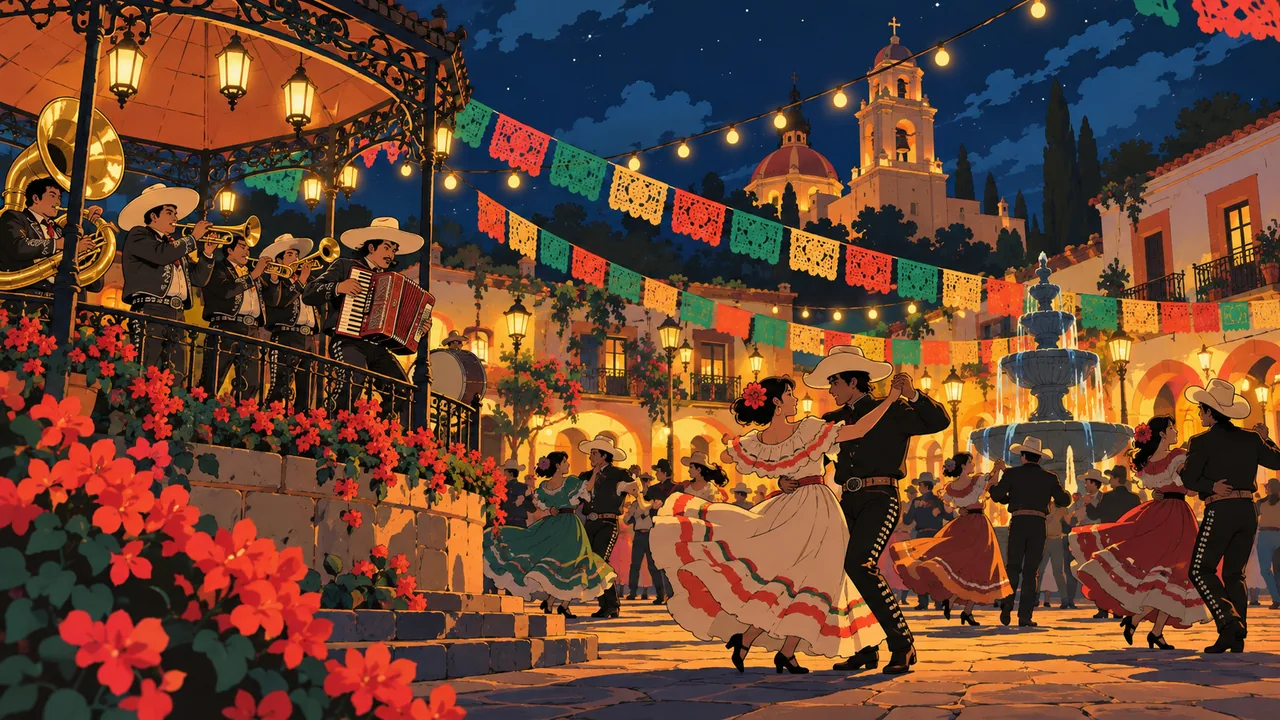 Regional Mexican
Accordion, brass and twelve-string guitar: from norteño and banda to today's corridos tumbados, Mexico's most local sound.
 Corridos Tumbados
Traditional corrido guitars with trap attitude and a young voice: new Mexican music sweeping Latin America and the US.
- Ska
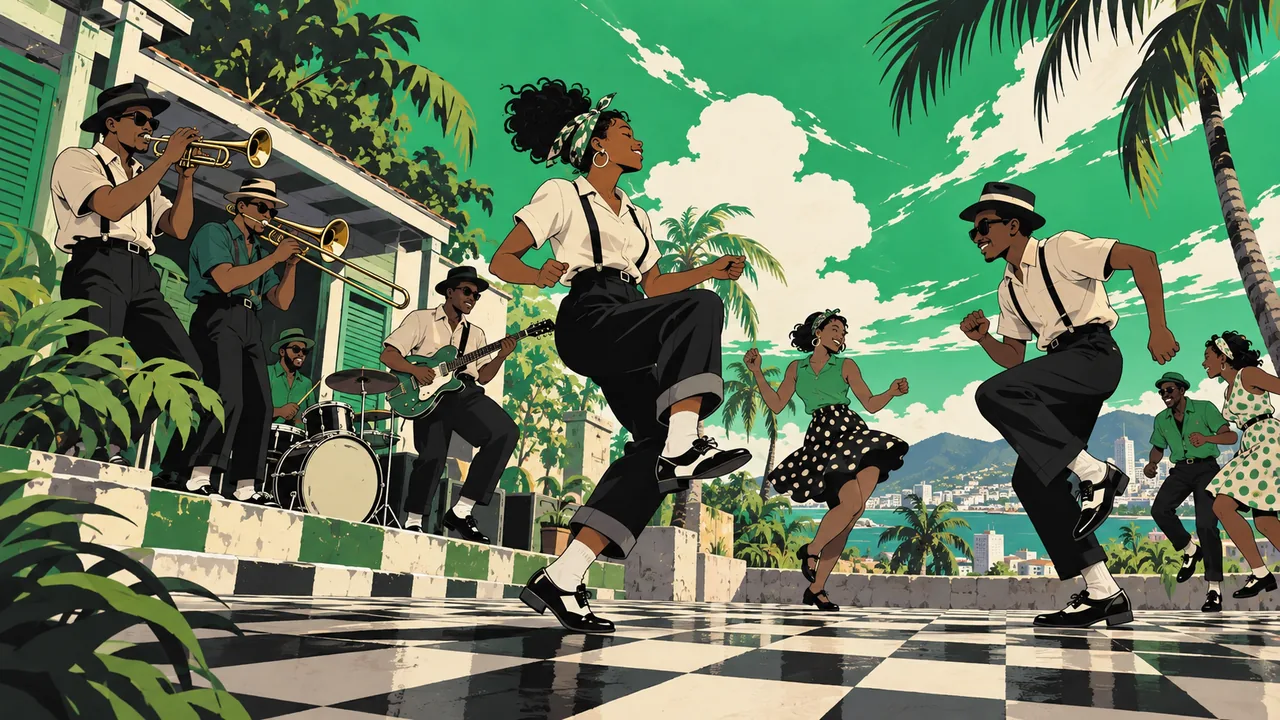
Guitar chops on the offbeat and a cheerful horn section: dance music faster than reggae and sweeter than punk.
- Reggae
A light stroke on the offbeat, giving both protest and love a sunny ease.
- Dub
Reggae taken apart: drums and bass up front, voices and instruments drifting in and out of echo, the mixing desk itself as an instrument.
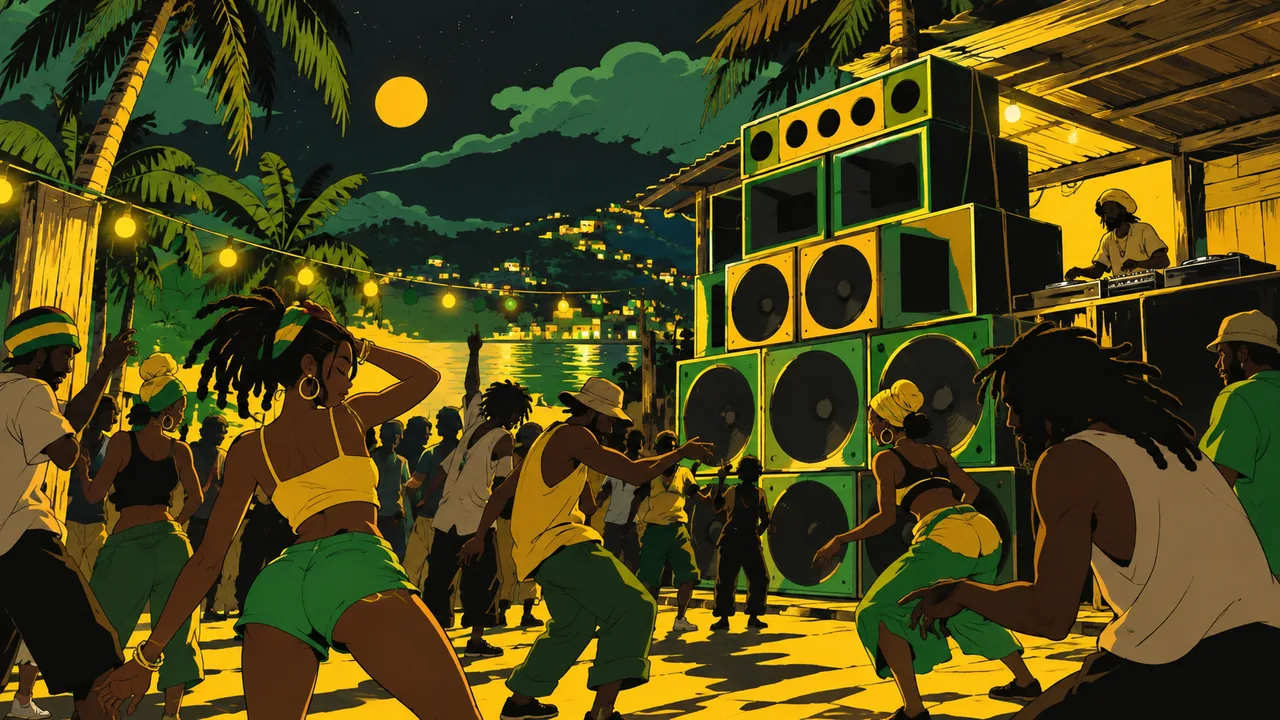 Dancehall
Digital reggae: faster, more electronic, made for the dance floor, DJs toasting over riddims.
- Afrobeats
Light percussion and warm melodies turn a party into an easy, rolling groove.
- Amapiano
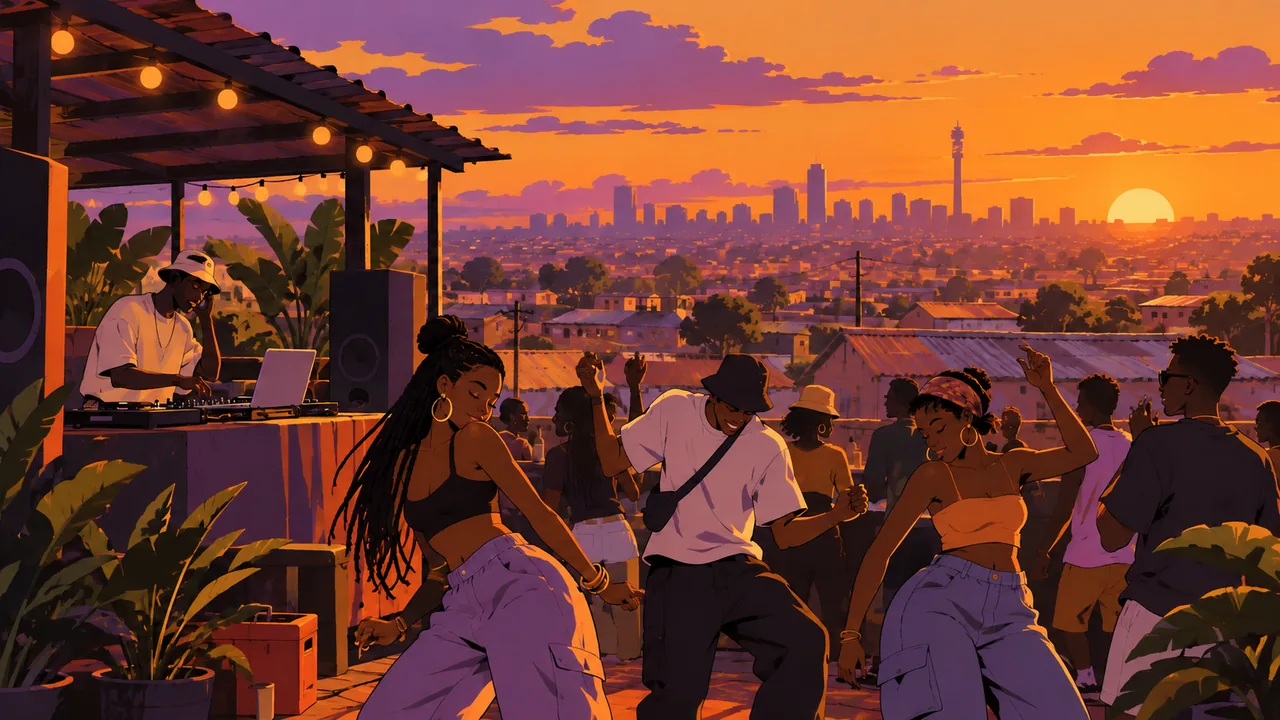
Log-drum bass, jazzy piano and laid-back house groove, a sunset rooftop party in Johannesburg.
- Afro House
House's four-on-the-floor with South African rhythms, melodies and vocals in African languages: dance music with a spiritual feel.
- Flamenco
Rapid guitar rasgueado, handclaps and footwork, with a heart-rending voice.
- Fado
A lament from Lisbon taverns: the tremolo of the Portuguese guitar and a singer's long sigh, singing of a longing that can't go home (saudade).
- French Chanson
Accordion, a rainy cafe and a storytelling singer: French chanson, where the words matter more than the tune.
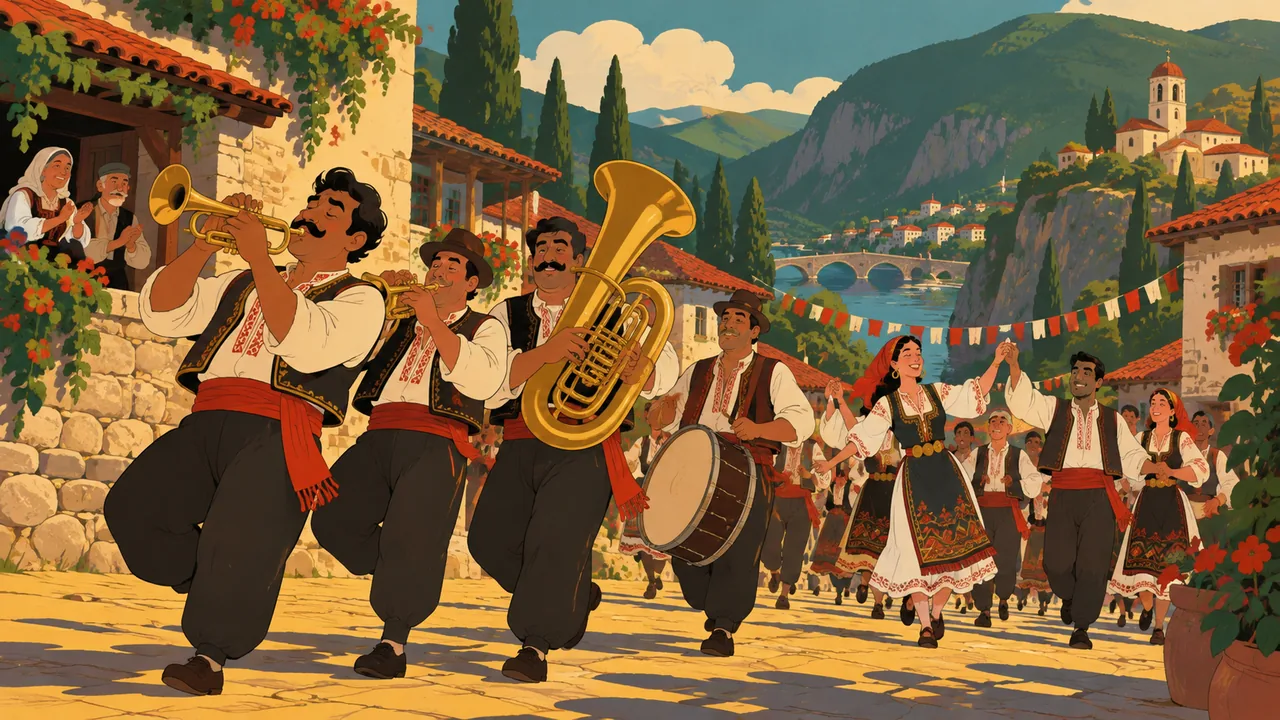 Balkan Brass
Trumpets and tubas racing in odd meters, like a street wedding that won't stop.
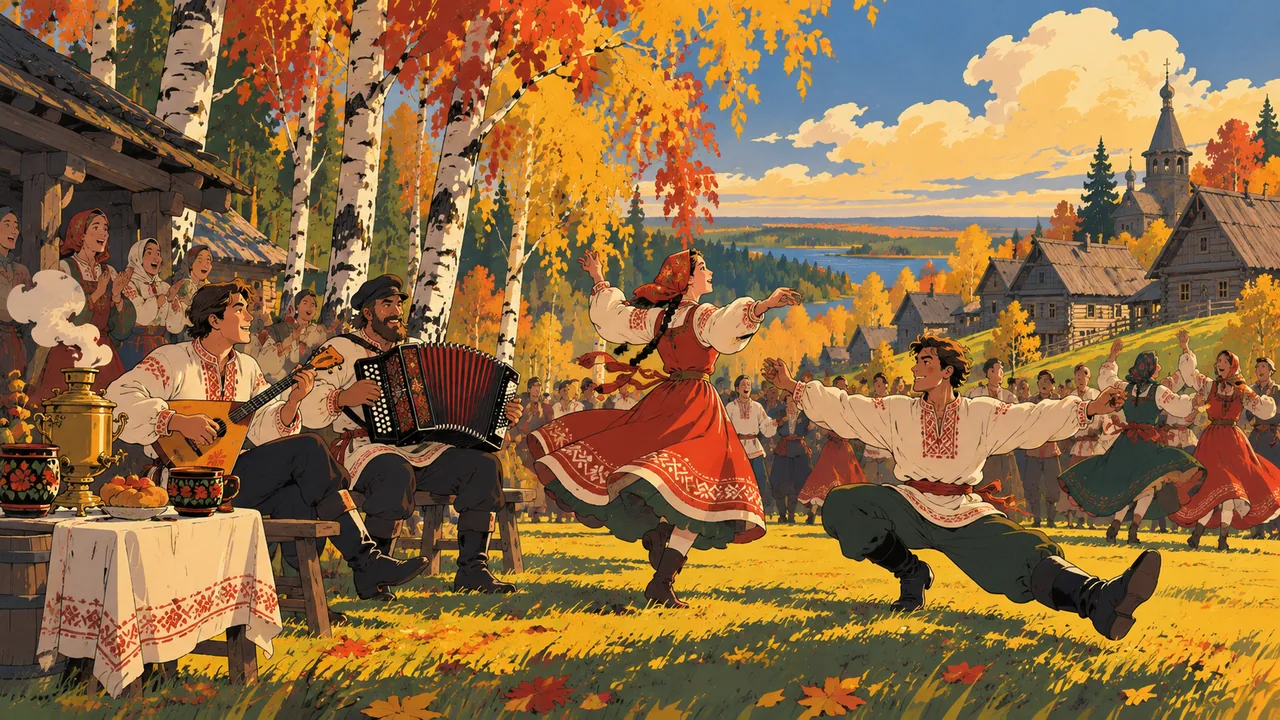 Russian Folk
Balalaika and accordion getting faster and faster, clapping, stomping and squat-kicking: one song becomes a village party.
 Soviet Choir & March
A wall of bass from dozens of male voices: brass, snare and a solemn melody, as if a whole square were breathing.
- Arabic Pop
Oud, darbuka and ornamented singing with modern pop production, a desert city night.
- Bollywood
Big song-and-dance numbers from Bollywood films: strings, tabla and electronic beats all making a grand entrance.