Pop, R&B & Soul
Songs built for everyone's ears: big hooks, singable melodies and soulful grooves.
Pop, R&B and soul sit together here because voice and melody lead all of them. Soul and funk are the source, R&B the modern form, and Western, Chinese, Japanese and Korean pop each have their own industries.


What they share
- Voice and melody lead
- Clear verse–chorus form
- Polished studio production
Branches
- Soul, Funk & Gospel
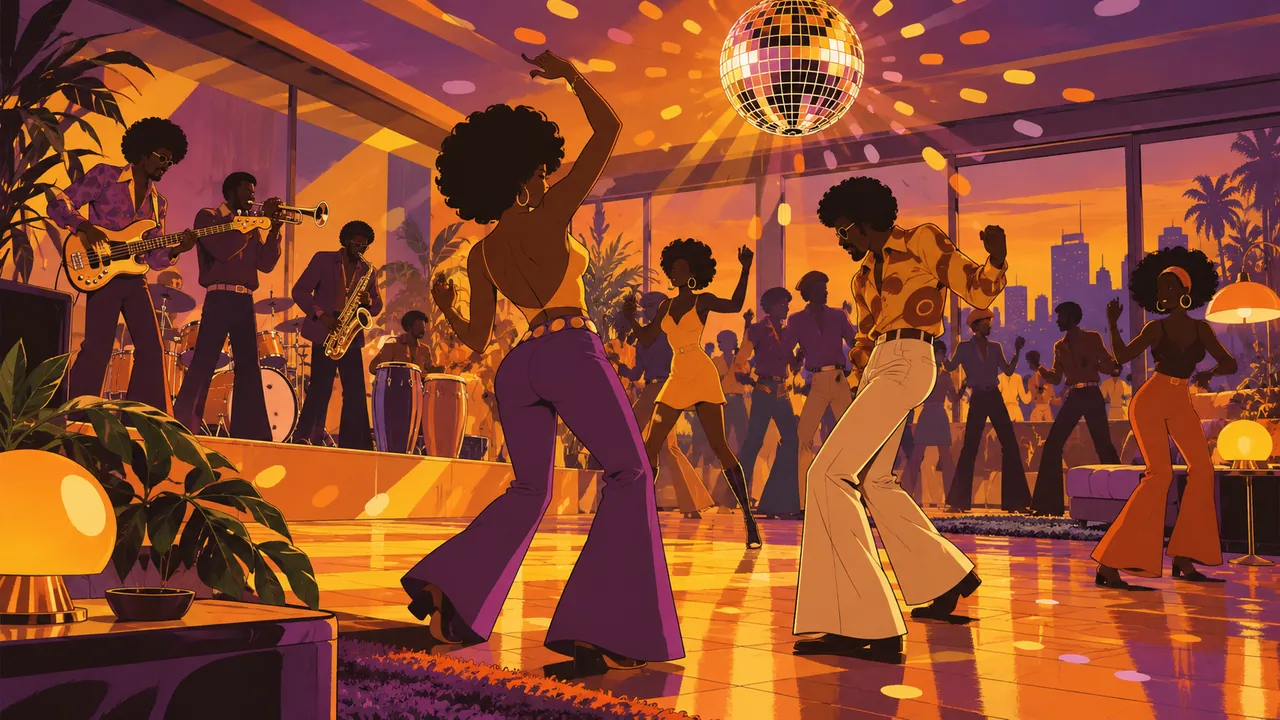
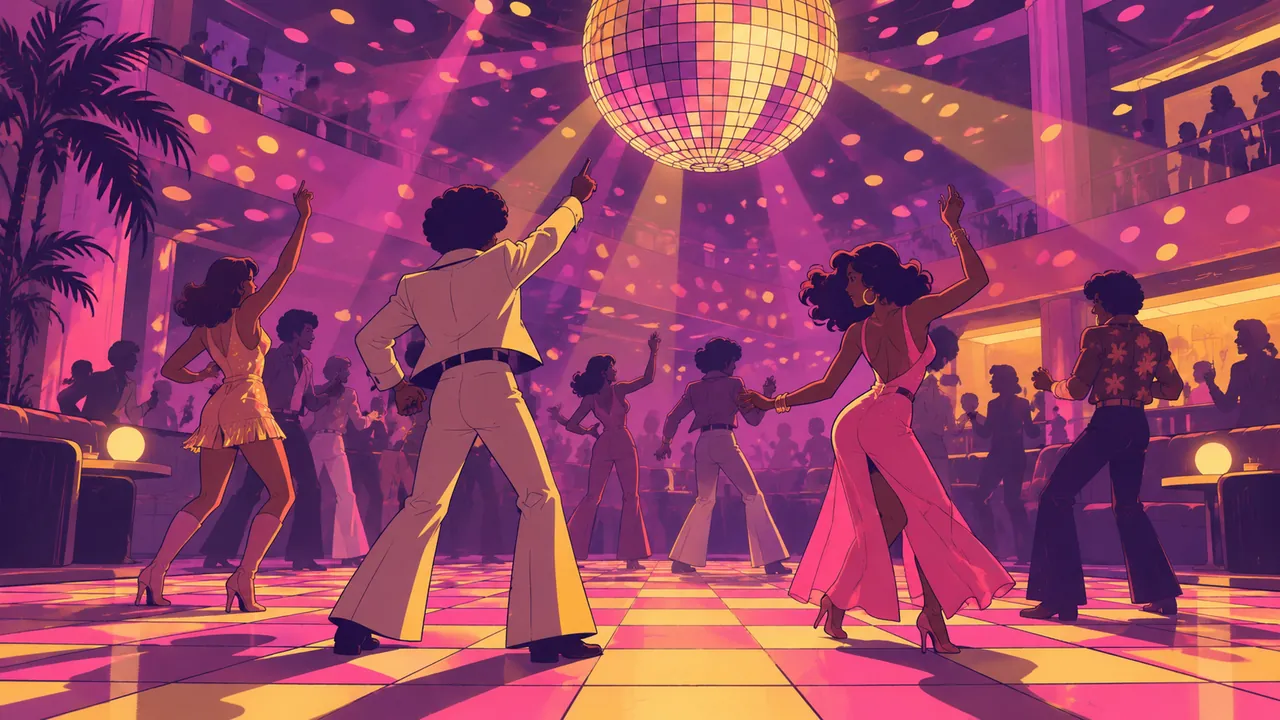
Church, dance floor and '70s funk: the warmth and groove of Black music.
 R&B
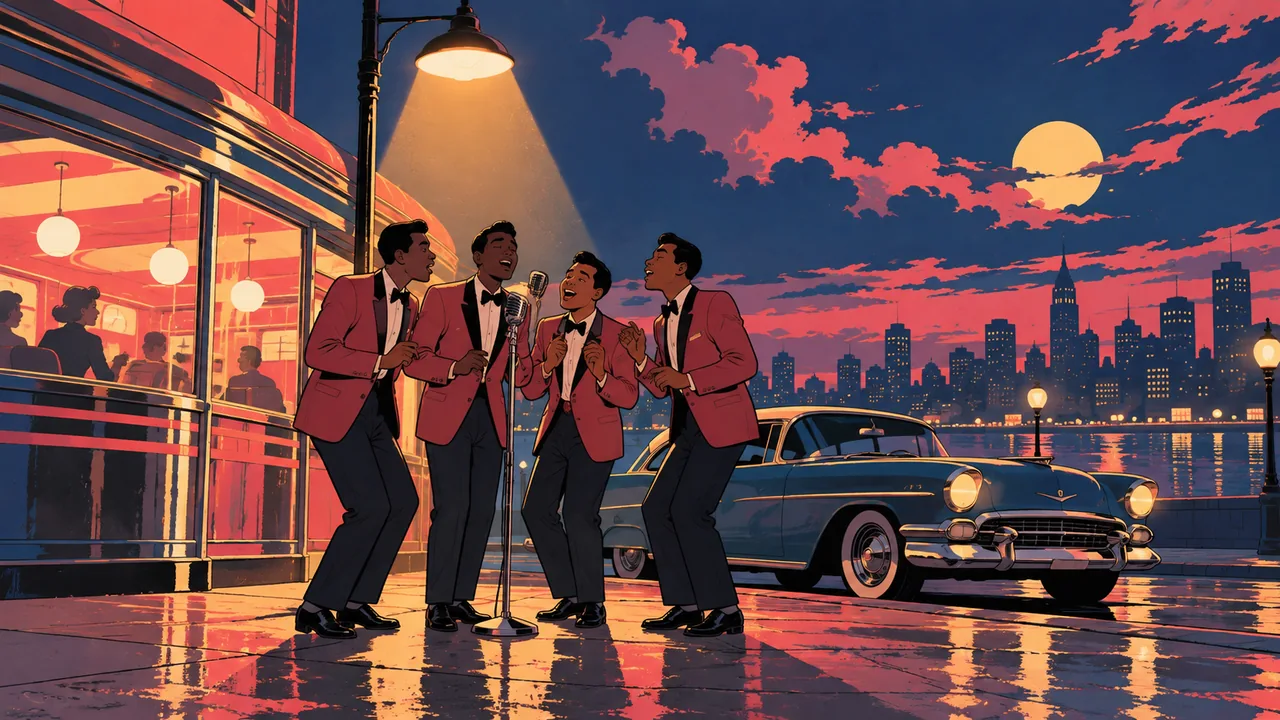
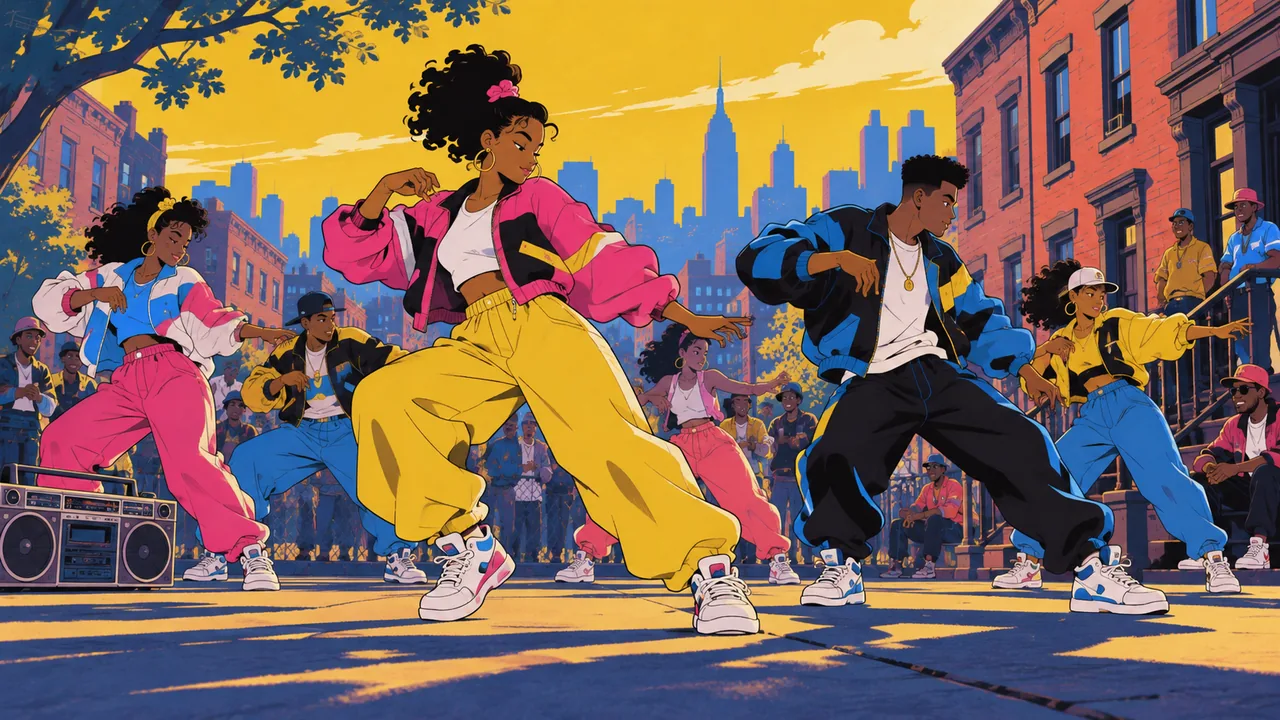
Delicate runs, syncopated grooves and night-time love songs.


 Western Pop
The many faces of Western pop: dance floor, synths, indie, bedroom and ballads.


 Chinese Pop
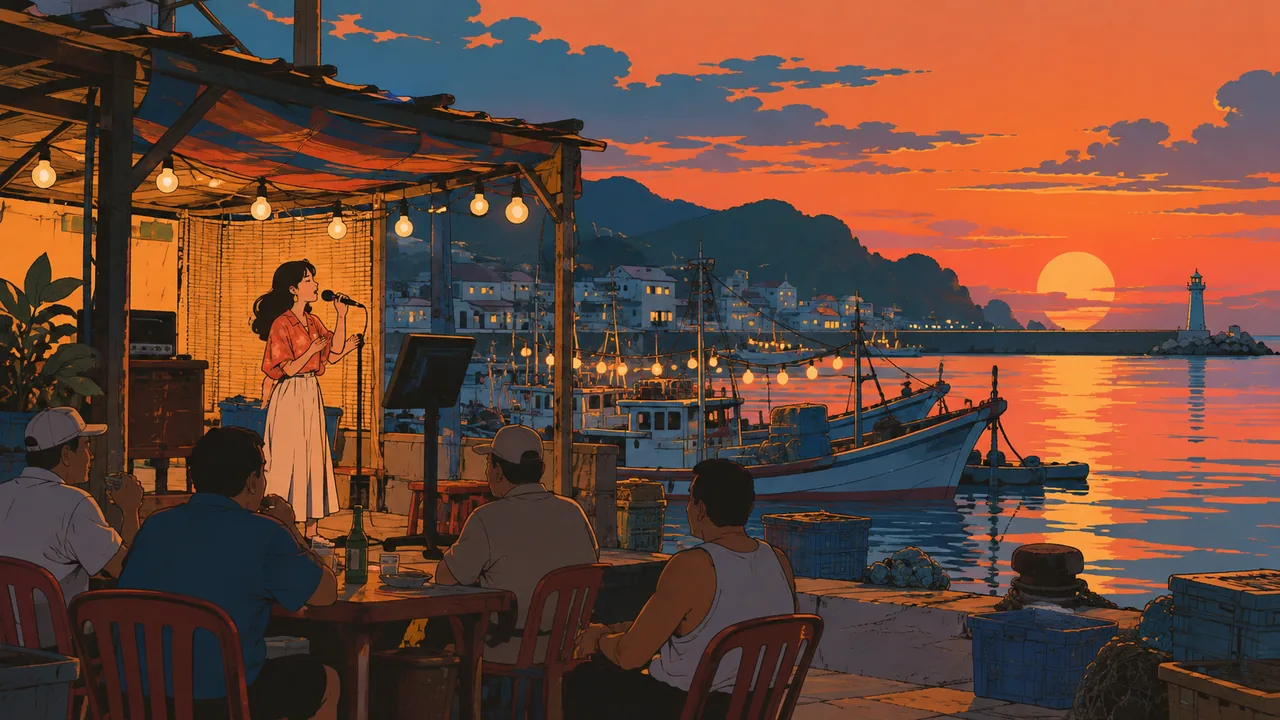
The mainstream sound of Chinese pop: Mandarin ballads, Hong Kong Cantopop and Taiwanese warmth.


 Japanese Pop
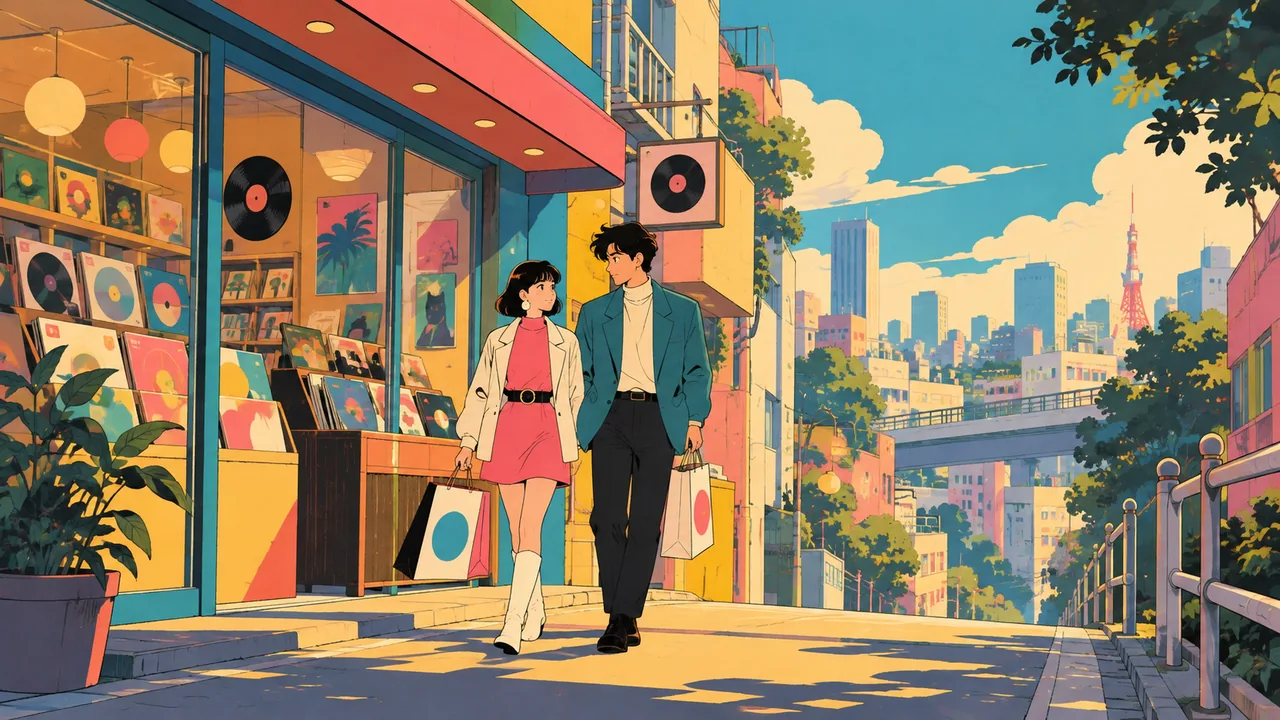
Japan's pop industry: modern J-Pop, Showa kayōkyoku, city pop, Shibuya-kei, electronic J-Pop and enka.

 Korean Pop
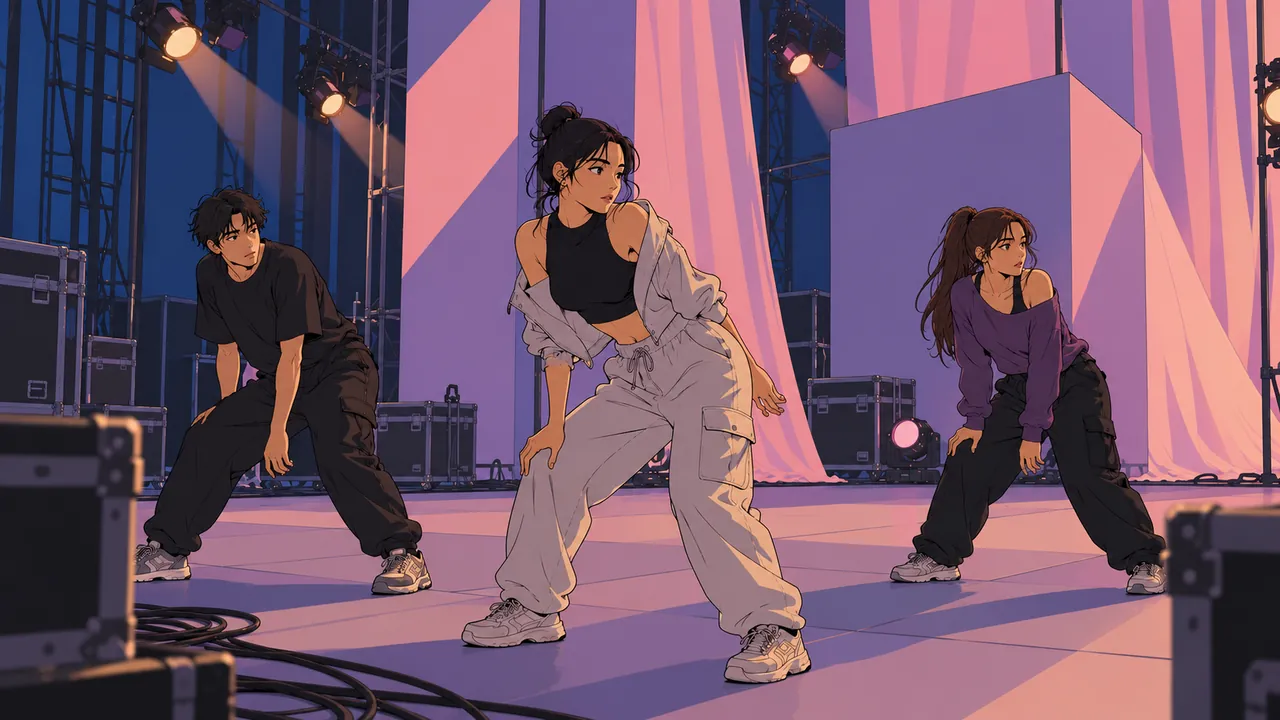
Korea's pop industry: idol K-pop, Korean ballads and traditional trot.
All styles
- Soul
Church fire carried into the street, one voice singing a whole community's dignity.
- Funk
Everything on the one, every instrument turned into a drum.
- Disco
Four-on-the-floor and shimmering strings, inviting everyone to be the star of the same night.
- Gospel
Choir, organ and handclaps singing faith into joy that shakes the whole church.
 Neo-Soul
Vintage soul warmth plus loose hip-hop grooves and jazz chords.
- Doo-wop
Four or five singers around one microphone: the bass sings "bom bom", the lead takes the tune, sweet '50s street-corner harmony.
- New Jack Swing
Hip-hop swing beats plus R&B harmonies, the coolest street dance music of the late '80s.
- Contemporary R&B
Silky vocals over spacious beats, magnifying the small feelings inside intimacy.
 Alternative R&B
Slow, dark and hazy: ambient synths, sparse drums and emotional murmurs, R&B for listening alone in a car at night.
- Synth-pop
Synthesizers singing pop melodies, where futurism and heartbreak happen at once.
- Dance-Pop
Pop built for both the dance floor and the charts: big hooks, four-on-the-floor and shiny production.
- Electropop
Modern pop led by synths: clean, cool-bright and a little futuristic.
 Indie Pop
Gentle, slightly bookish pop, like a spring afternoon in a small-town record shop.
 Bedroom Pop
Private love songs recorded with a laptop and cheap keyboard in a bedroom, soft and fuzzy.
 Ballad / Power Ballad
A love song that unfolds slowly and erupts at the end, singing one line until everyone cries.
 Easy Listening / Light Music
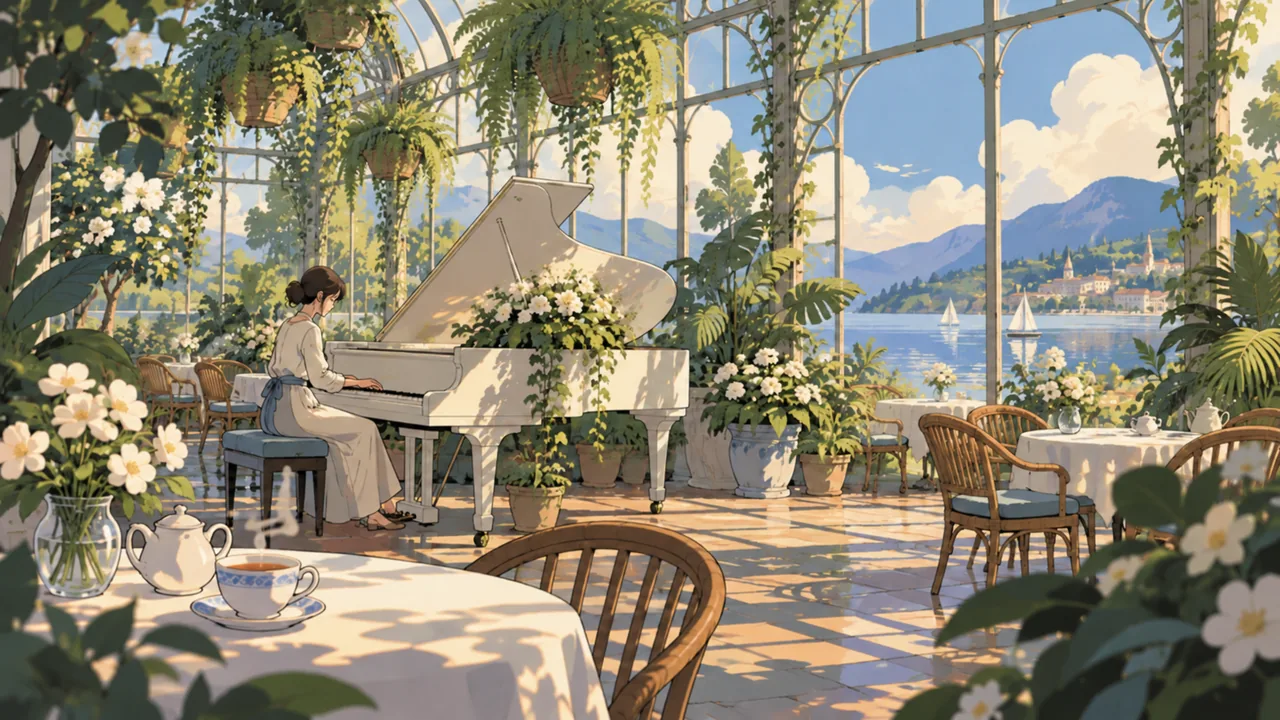
Piano, strings and gentle orchestral arrangement: clear, pretty melodies that never get loud, the light music of cafes and malls.
- Mandopop
Turns private feelings into everyday songs that many people can sing.
- Cantopop
Melodies shaped by nine tones, singing joys and sorrows under Hong Kong's neon.
- Taiwanese Hokkien Pop
Hokkien's soft tones, nakasi and enka-like singing, songs of harbours, leaving home and human warmth.
- J-Pop
Rich chords, frequent key changes and fast, dense lyrics: modern Japanese pop built on piano and band, with choruses that soar.
- City Pop
Packs night views, sea breeze and city life into a refined, light groove.
- Shibuya-kei
French pop, bossa nova and '60s soft rock cut and pasted into a stylish Tokyo sound.
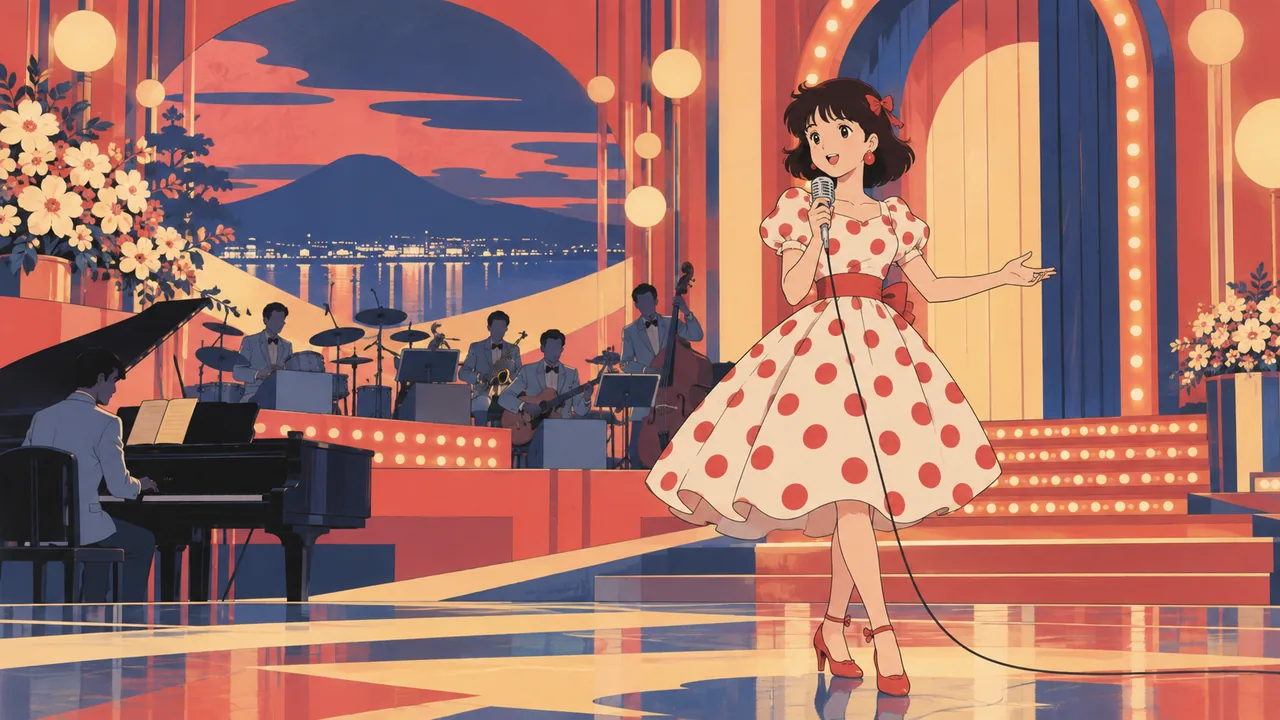 Kayōkyoku
Pop from Showa-era TV music shows: orchestral arrangements, idol smiles and a touch of sentiment.
 Electronic J-Pop
Precise electronic production turns pop melody into a recognisable character and stage.
 Enka
Lets a single farewell linger in long notes and turns, longer than the story itself.
- K-pop
Weaves melody, dance and vocal roles into a stage language the world can remember.
- K-Ballad
A piano opening, strings underneath and an explosive belt in the last chorus: Korean love songs that sing heartbreak at full strength.
- Trot
An oom-pah two-beat and vibrato-laden singing, Korea's most nostalgic yet festive popular song.