Trot
Korean pop tradition
An oom-pah two-beat and vibrato-laden singing, Korea's most nostalgic yet festive popular song.
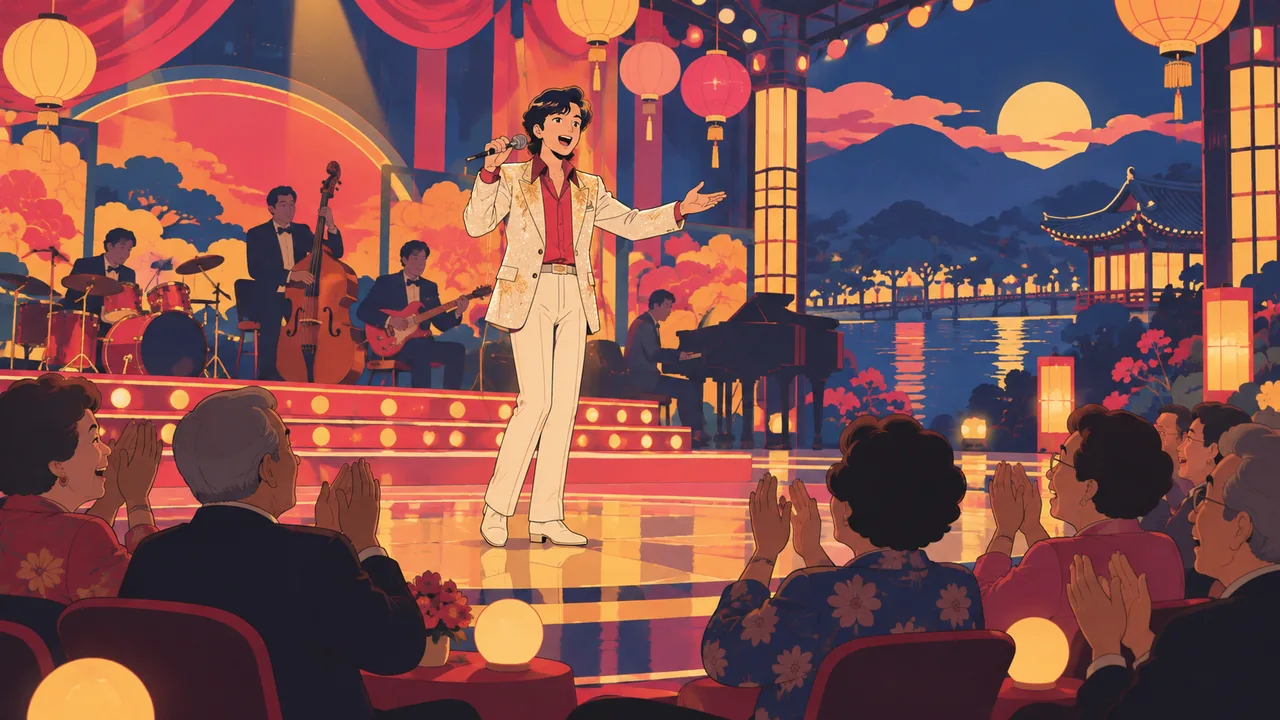
- Era
- 20th century–present
- Origin
- South Korea
- Tempo
- 110–140 BPM
- Core instruments
- electronic keyboard · saxophone · two-beat drums
AI prompt
Korean trot, 125 BPM, oom-pah two-beat ppongjjak rhythm, electronic keyboard and saxophone melody, brass stabs, alternating root bass, male vocals in Korean with heavy vibrato and kkeokki vocal breaks, festive and nostalgic
223 charactersWrite Korean trot + ppongjjak two-beat + vibrato; for a modern take add EDM trot.
Rhythm
Oom-pah two-beat (ppongjjak), simple repetition.
Drums
Drum machine or simple kit, offbeat emphasis.
Bass
Two-beat alternating-root bass.
Synths / arrangement
Electronic keyboard, sax, brass, electric guitar.
Vocals
Korean singing with heavy vibrato and vocal breaks (kkeokki).
Over the oom-pah beat, the voice twists with vibrato and the whole room claps.
- Period
- Formed early 20th century, big revival via variety shows after 2019
- Regions & spread
- South Korea
Formed under enka's influence; Lee Mi-ja, Na Hoon-a and Jang Yoon-jeong are key; the 2019 shows Miss Trot and Mr. Trot made a new generation like Lim Young-woong huge, alongside EDM-fused versions.
Social context
Family entertainment and festival music spanning generations.
Technology
Electronic keyboards and drum machines made trot a staple of night markets, tour buses and weddings.
Cultural psychology (interpretation)
Creative interpretation: A simple two-beat and familiar vibrato let all ages clap and sing along.
Lim Young-woong
Lim Young-woong / Artist / BandHear a new-generation trot singer's style and modern arrangements.
Eomeona!
Jang Yoon-jeong / SongCompare the cheekier, more dance-oriented trot of the 2000s.
Family comedy, festival variety and nostalgic gags
The familiar two-beat brings instant festivity and laughs.
- What is Trot?
- Trot is a korean pop tradition. An oom-pah two-beat and vibrato-laden singing, Korea's most nostalgic yet festive popular song. Period: Formed early 20th century, big revival via variety shows after 2019. Regions: South Korea. Over the oom-pah beat, the voice twists with vibrato and the whole room claps.
- How do I write a Suno prompt for Trot?
- Copy this full prompt:
Korean trot, 125 BPM, oom-pah two-beat ppongjjak rhythm, electronic keyboard and saxophone melody, brass stabs, alternating root bass, male vocals in Korean with heavy vibrato and kkeokki vocal breaks, festive and nostalgic. Write Korean trot + ppongjjak two-beat + vibrato; for a modern take add EDM trot. - What BPM and instruments does Trot use?
- Usually 110–140 BPM. Drums: Drum machine or simple kit, offbeat emphasis. Bass: Two-beat alternating-root bass. Synths / arrangement: Electronic keyboard, sax, brass, electric guitar. Vocals: Korean singing with heavy vibrato and vocal breaks (kkeokki).
- What Trot music should I start with?
- Start with “Lim Young-woong” by Lim Young-woong; “Eomeona!” by Jang Yoon-jeong. The Key works tab notes what to listen for in each.
- What styles are similar to Trot?
- K-pop Same branch; Indie Pop Similar mood · Warm & intimate; K-Ballad Same branch; Gypsy Jazz Similar mood · Bright & sweet
Sources are used to check history, categories and works. Cultural psychology, visual language, creator uses, and the instrument and mood tags in the overview are editorial interpretation and do not speak for a whole community or an artist’s sole intent. Tempo ranges are only a starting point; listen to AI examples and adjust.
- Wikipedia · Trot (music) ↗Works and cultural background; sound, imagery and creator uses are editorial analysis
- Wikipedia · Lim Young-woong ↗Works and cultural background; sound, imagery and creator uses are editorial analysis