Grunge
Rock genre and regional scene
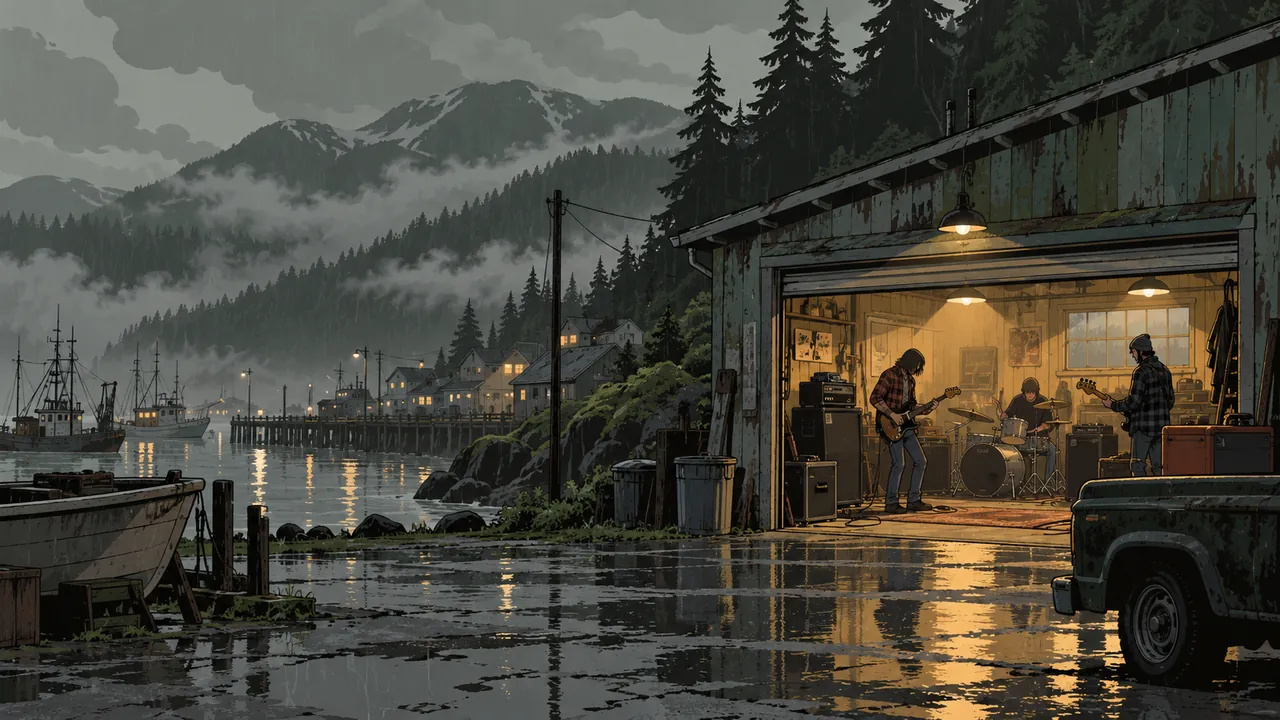
Quiet mumbling, then a sudden explosion; confusion sung dirty and loud.
- Era
- Mid-1980s–1990s
- Origin
- Seattle, USA
- Tempo
- 90–130 BPM
- Core instruments
- fuzz guitar · pounding drums · distorted bass
AI prompt
1990s grunge, 116 BPM, quiet clean verse exploding into a loud chorus of thick fuzz down-tuned guitars, heavy pounding live drums, distorted bass, mumbled verses and raspy screamed chorus vocal, gloomy rainy city, angst
219 charactersAlways write quiet-loud dynamics; then fuzz guitar and raspy vocal, which is more precise than just heavy.
Rhythm
Mid-tempo straight beats with stark verse-chorus dynamics.
Drums
Hard-hitting live drums, crashing cymbals in choruses.
Bass
Thick, slightly distorted bass.
Synths / arrangement
Clean or light verses, thick fuzz guitars in choruses; down-tuned.
Vocals
Vocals from low mumbling to ragged screaming.
The quiet-loud dynamic structure; dirty, honest sound.
- Period
- Formed in the mid-1980s, exploded in the early 1990s
- Regions & spread
- Seattle and the US Pacific Northwest
It fused punk's rawness with heavy metal's weight, centred on the Sub Pop label. Nirvana's 1991 Nevermind took it mainstream; Pearl Jam, Soundgarden and Alice in Chains each have a different character.
Social context
Generation X felt alienated from 80s glam and consumerism and wanted unvarnished honesty.
Technology
Heavy fuzz pedals, down-tuned guitars and relatively low-budget indie recording.
Cultural psychology (interpretation)
Creative interpretation: sudden quiet-loud shifts feel like a release after repression, dumping out feelings you can't name.
Smells Like Teen Spirit · Nevermind
Nirvana / Song / albumHear the drop between restrained verses and exploding choruses; that is grunge's core dynamic.
The Servile
No Party for Cao Dong / AlbumThe debut of a Taiwanese indie band, grunge at its core: distorted guitars, big dynamic swings and young people's confusion and anger.
Teen anger and nights with nowhere to go
Quiet-loud shifts release pent-up feeling all at once in the chorus.
- What is Grunge?
- Grunge is a rock genre and regional scene. Quiet mumbling, then a sudden explosion; confusion sung dirty and loud. Period: Formed in the mid-1980s, exploded in the early 1990s. Regions: Seattle and the US Pacific Northwest. The quiet-loud dynamic structure; dirty, honest sound.
- How do I write a Suno prompt for Grunge?
- Copy this full prompt:
1990s grunge, 116 BPM, quiet clean verse exploding into a loud chorus of thick fuzz down-tuned guitars, heavy pounding live drums, distorted bass, mumbled verses and raspy screamed chorus vocal, gloomy rainy city, angst. Always write quiet-loud dynamics; then fuzz guitar and raspy vocal, which is more precise than just heavy. - What BPM and instruments does Grunge use?
- Usually 90–130 BPM. Drums: Hard-hitting live drums, crashing cymbals in choruses. Bass: Thick, slightly distorted bass. Synths / arrangement: Clean or light verses, thick fuzz guitars in choruses; down-tuned. Vocals: Vocals from low mumbling to ragged screaming.
- What Grunge music should I start with?
- Start with “Smells Like Teen Spirit · Nevermind” by Nirvana; “The Servile” by No Party for Cao Dong. The Key works tab notes what to listen for in each.
- What styles are similar to Grunge?
- Alternative Rock Same branch; Britpop Same branch; Indie Rock Same branch; Emo Similar mood · Melancholy & lonely
Sources are used to check history, categories and works. Cultural psychology, visual language, creator uses, and the instrument and mood tags in the overview are editorial interpretation and do not speak for a whole community or an artist’s sole intent. Tempo ranges are only a starting point; listen to AI examples and adjust.
- Wikipedia · Grunge ↗Works and cultural background; sound, imagery and creator uses are editorial analysis
- Wikipedia · Smells Like Teen Spirit ↗Works and cultural background; sound, imagery and creator uses are editorial analysis