K-pop
Cross-genre pop production and performance culture
Weaves melody, dance and vocal roles into a stage language the world can remember.
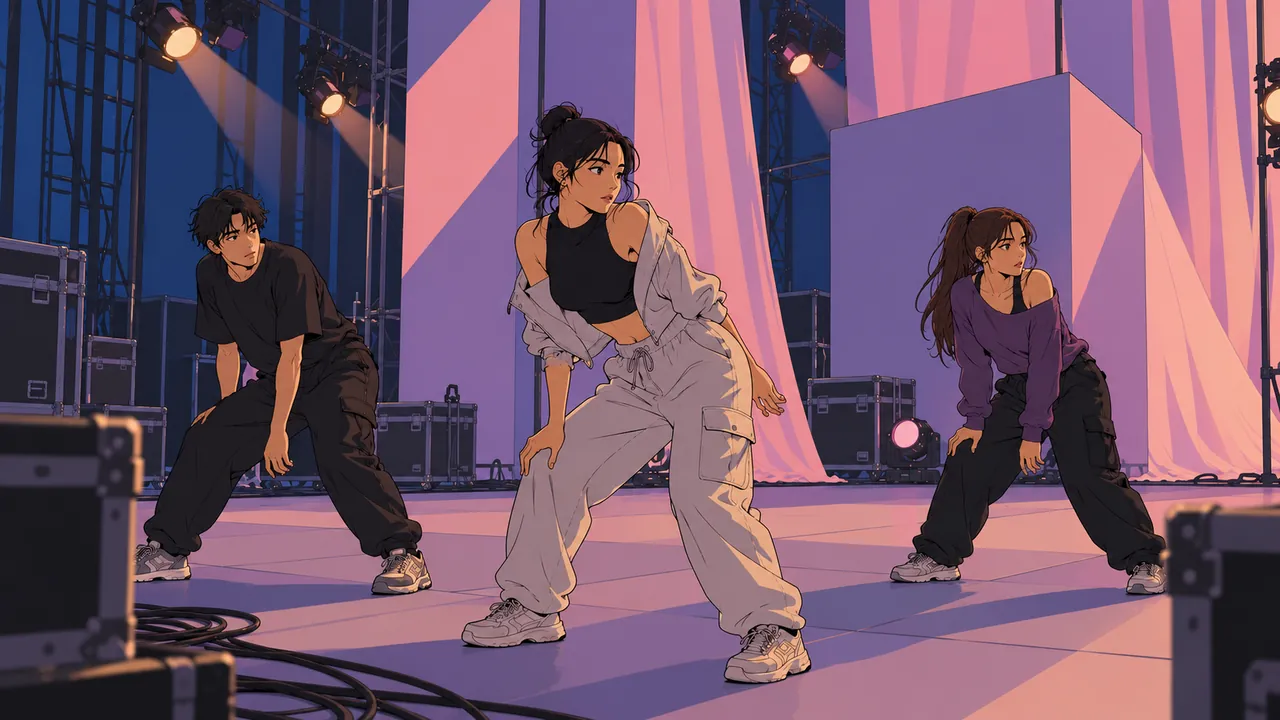
- Era
- 1990s
- Origin
- South Korea
- Tempo
- 100–140 BPM
- Core instruments
- synths · 808 · dance-ready beats · layered vocals
AI prompt
K-pop dance pop, 118 BPM, tight dance drums, elastic synth bass, memorable synth hook, contrasting melodic and rhythmic vocal sections, Korean lyrics, layered group harmonies, confident collective energy, a clear pre-chorus build and a focused dance break
255 charactersK-pop is an entry point for production and culture; this example uses dance pop. For something cool, sweet or retro, spell out the underlying rhythm, timbres, vocal roles and section changes.
Rhythm
The base can be disco, hip-hop, house and more; watch how verses, choruses and dance breaks share out the energy.
Drums
Crisp electronic drums, claps and transition hits are common; live drums and retro kits also work.
Bass
Anything from funk bass to synth sub; bass, hooks and dance accents should support each other.
Synths / arrangement
Bright leads, hard electronic sounds, guitar or orchestra can all enter the arrangement; contrast between sections helps more than piling on sounds.
Vocals
Individual voices, harmonies, group responses and rap trade off; Korean and English can both appear, and language alone doesn't decide the category.
A memorable song identity ties sound and performance together; tight dance pop is only one option.
- Period
- The modern production system took shape in the 1990s; Seo Taiji and Boys in 1992 was a key turning point
- Regions & spread
- South Korea · Transnational songwriting and production, and a global listener network
Korean pop has an earlier history. The rap, dance and rock experiments of the 1990s, and the artist training, record and stage production that followed, shaped modern K-pop. It spans many underlying genres and does not cover all Korean music.
Social context
Young listeners wanted rhythms, images and expression different from the previous generation. Songs linked with choreography, TV stages, MVs and fan participation let a group enter mass culture with a clear identity.
Technology
Digital arranging, multitrack vocals and audiovisual production tightly align section changes with group performance; online distribution widened the paths for songs and stages to reach listeners abroad.
Cultural psychology (interpretation)
Creative interpretation: one song can deliver individual personalities and collective strength at once. In a fictional world, this sound can show the ideal image residents chase, shared joy or a public declaration.
Dynamite
BTS / Song / disco-pop directionHear how the disco rhythm, bouncy bass and hooks shared across voices create collective joy. The official notes also name joy and confidence as the song's intent.
Next Level
aespa / Song / section-collage caseHear how singing, rapping and sharp section changes strengthen the character's stance; compare it with Dynamite and you'll hear that K-pop isn't one fixed rhythm.
Candy
H.O.T. / SongFirst-generation idols: bright '90s synth-pop, tight boy-group unison vocals and a cute concept.
APT.
ROSÉ & Bruno Mars / SongAn example of a K-pop idol crossing into the Western mainstream: English pop-punk with a Korean drinking-game chant as the hook. Its sound is closer to Western pop-rock than to typical K-pop.
Public stages and idol culture in a future city
Steady hooks, vocal roles and choreographic accents give the city a pop culture its residents would really follow.
Team entrances and characters' public images
Give each character a timbre or rhythmic slot, then merge them into a shared declaration in the chorus.
High-energy promos and dance levels
Align song transitions with shots and moves; choose a clear underlying genre first, then the stage mood.
- What is K-pop?
- K-pop is a cross-genre pop production and performance culture. Weaves melody, dance and vocal roles into a stage language the world can remember. Period: The modern production system took shape in the 1990s; Seo Taiji and Boys in 1992 was a key turning point. Regions: South Korea, Transnational songwriting and production, and a global listener network. A memorable song identity ties sound and performance together; tight dance pop is only one option.
- How do I write a Suno prompt for K-pop?
- Copy this full prompt:
K-pop dance pop, 118 BPM, tight dance drums, elastic synth bass, memorable synth hook, contrasting melodic and rhythmic vocal sections, Korean lyrics, layered group harmonies, confident collective energy, a clear pre-chorus build and a focused dance break. K-pop is an entry point for production and culture; this example uses dance pop. For something cool, sweet or retro, spell out the underlying rhythm, timbres, vocal roles and section changes. - What BPM and instruments does K-pop use?
- No single BPM; dance-oriented tracks here can start at 100–140 BPM, with other tempos for ballads and other directions. Drums: Crisp electronic drums, claps and transition hits are common; live drums and retro kits also work. Bass: Anything from funk bass to synth sub; bass, hooks and dance accents should support each other. Synths / arrangement: Bright leads, hard electronic sounds, guitar or orchestra can all enter the arrangement; contrast between sections helps more than piling on sounds. Vocals: Individual voices, harmonies, group responses and rap trade off; Korean and English can both appear, and language alone doesn't decide the category.
- What K-pop music should I start with?
- Start with “Dynamite” by BTS; “Next Level” by aespa; “Candy” by H.O.T.; “APT.” by ROSÉ & Bruno Mars. The Key works tab notes what to listen for in each.
- What styles are similar to K-pop?
- Disco Similar mood · Groove & energy; Dance-Pop Similar mood · Bright & sweet; Funk Similar mood · Groove & energy; Electro Swing Similar mood · Bright & sweet
Sources are used to check history, categories and works. Cultural psychology, visual language, creator uses, and the instrument and mood tags in the overview are editorial interpretation and do not speak for a whole community or an artist’s sole intent. Tempo ranges are only a starting point; listen to AI examples and adjust.
- Korea.net · K-POP: A New Force in Pop Music ↗Korean pop history, the 1992 Seo Taiji and Boys turning point and later stage culture; 1992 is not treated as the start of all Korean pop
- Big Hit · Dynamite ↗Dynamite's disco-pop style, all-English vocals and the song's intent of joy and confidence
- SMTOWN · Next Level 官方 MV ↗Listening link for the specific work, and an entry point for analysing sections and vocal parts