K-Drama OST
A body of work defined by its use in TV dramas
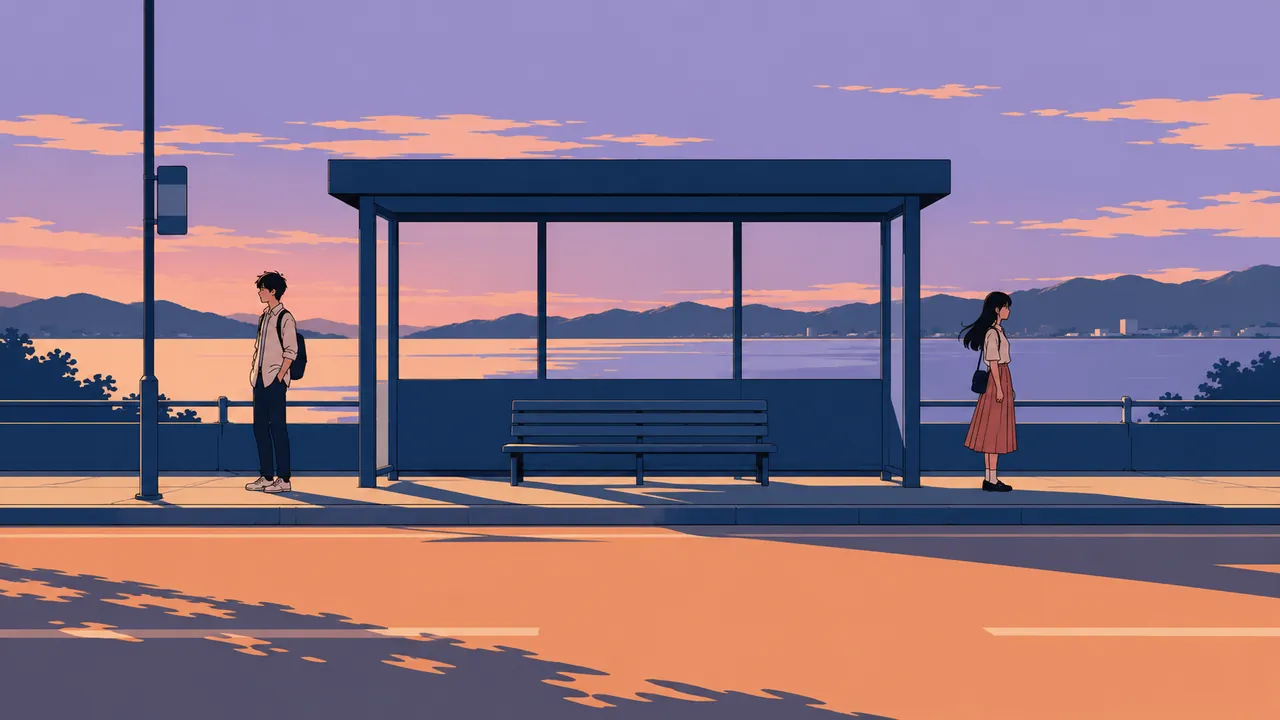
Lets one melody gradually become a relationship through meeting, missing each other and reunion.
- Era
- 2000s
- Origin
- South Korea
- Tempo
- 60–90 BPM
- Core instruments
- piano · strings · ballad vocals
AI prompt
K-drama inspired ballad, 74 BPM, gentle piano, restrained strings, intimate Korean vocal, a short recurring relationship motif, wistful reunion mood, spacious opening and a gradual emotional lift, leave room around each vocal phrase
232 charactersThis is a relationship ballad example and doesn't sum up all K-drama music. For dialogue, switch to instrumental and describe the theme, scene and turn; AI output still needs editing to sync precisely with picture.
Rhythm
Songs can move steadily while instrumental cues breathe freely; rhythm must make way for dialogue and emotional turns.
Drums
Ballad sections can be drumless or use light percussion, bringing in the kit at the climax; not every OST is a slow song.
Bass
Supports harmony and emotional direction, avoiding unneeded low-end density under dialogue.
Synths / arrangement
Piano, strings, guitar and electronic atmosphere are all options; give the relationship a short theme that can be varied.
Vocals
Songs can use a clear solo, duet or rap; instrumental versions suit dialogue, and lyrics shouldn't re-explain the picture.
The category is defined by how music is used in the story; soundtrack songs and instrumental score need to be understood separately.
- Period
- Developed alongside Korean TV drama production; the 2000s Korean Wave was a major expansion, with no single birth year
- Regions & spread
- Korean TV drama production and music release system · Transnational TV, streaming and audience culture
OSTs include soundtrack songs and instrumental score, spanning ballad, pop, R&B, rock and traditional material. Winter Sonata (2002) is an anchor for transnational spread; modern K-dramas also release songs in parts, so the music keeps carrying audience memories beyond the plot.
Social context
Serial dramas need to connect characters and relationships across episodes. Theme melodies, insert songs and song releases let audiences re-enter the story outside broadcast and grew into concerts and other extended culture.
Technology
Picture sync, song edits, instrumental versions and digital release let one theme be used at different lengths and densities; composing, singing and editing must leave room for dialogue and plot.
Cultural psychology (interpretation)
Creative interpretation: viewers attach an encounter to a melody, and hearing it later recalls how the relationship changed. What's truly powerful is when the theme returns, and who is missing or what has changed when it does.
Stay With Me · Goblin (Guardian: The Lonely and Great God)
CHANYEOL & PUNCH / TV drama soundtrack songHear how the two voices share the narrative, and how the song's repeated material builds relationship memory; don't credit the whole drama's instrumental score to this song's arrangement.
All About You (그대라는 시) · Hotel Del Luna
TAEYEON / TV drama soundtrack songHear how piano, voice and building accompaniment handle emotional distance, then imagine how the theme without vocals would serve dialogue. The page is licensed audio on the singer's official channel.
Meetings and separations across time
Tie a short theme to a relationship, then give the same melody new meaning through changes in orchestration and voice.
Reunions, end credits and emotional returns
A song can carry feelings a character can't say; switch to sparser instrumental versions for dialogue scenes.
A relationship theme for two characters
Setting conditions for when the theme appears organises a long story better than giving each character a full ballad.
- What is K-Drama OST?
- K-Drama OST is an a body of work defined by its use in TV dramas. Lets one melody gradually become a relationship through meeting, missing each other and reunion. Period: Developed alongside Korean TV drama production; the 2000s Korean Wave was a major expansion, with no single birth year. Regions: Korean TV drama production and music release system, Transnational TV, streaming and audience culture. The category is defined by how music is used in the story; soundtrack songs and instrumental score need to be understood separately.
- How do I write a Suno prompt for K-Drama OST?
- Copy this full prompt:
K-drama inspired ballad, 74 BPM, gentle piano, restrained strings, intimate Korean vocal, a short recurring relationship motif, wistful reunion mood, spacious opening and a gradual emotional lift, leave room around each vocal phrase. This is a relationship ballad example and doesn't sum up all K-drama music. For dialogue, switch to instrumental and describe the theme, scene and turn; AI output still needs editing to sync precisely with picture. - What BPM and instruments does K-Drama OST use?
- No single BPM; the relationship ballad approach here can start at 60–90 BPM, with other tempos for suspense and action cues. Drums: Ballad sections can be drumless or use light percussion, bringing in the kit at the climax; not every OST is a slow song. Bass: Supports harmony and emotional direction, avoiding unneeded low-end density under dialogue. Synths / arrangement: Piano, strings, guitar and electronic atmosphere are all options; give the relationship a short theme that can be varied. Vocals: Songs can use a clear solo, duet or rap; instrumental versions suit dialogue, and lyrics shouldn't re-explain the picture.
- What K-Drama OST music should I start with?
- Start with “Stay With Me · Goblin (Guardian: The Lonely and Great God)” by CHANYEOL & PUNCH; “All About You (그대라는 시) · Hotel Del Luna” by TAEYEON. The Key works tab notes what to listen for in each.
- What styles are similar to K-Drama OST?
- Dream Pop Similar mood · Warm & intimate; K-Ballad Similar mood · Melancholy & lonely; Chamber Music Similar mood · Warm & intimate; Ballad / Power Ballad Similar mood · Warm & intimate
Sources are used to check history, categories and works. Cultural psychology, visual language, creator uses, and the instrument and mood tags in the overview are editorial interpretation and do not speak for a whole community or an artist’s sole intent. Tempo ranges are only a starting point; listen to AI examples and adjust.
- Korea.net · K-Drama OST Live Concert ↗Winter Sonata (2002) as an anchor, a concert programme of songs and instrumentals from different eras, and the link between music and drama memory
- STONE MUSIC · Stay With Me 官方 MV ↗Goblin soundtrack song, performers and listening link
- TAEYEON Official · 그대라는 시 ↗Hotel Del Luna OST Part 3, 2019 release date and composition/arrangement credits; officially licensed audio