Chinese Internet Song
Chinese pop · internet-era phenomenon
No record label and no packaging, spread through websites and ringtones to every street: Chinese viral songs of the 2000s.
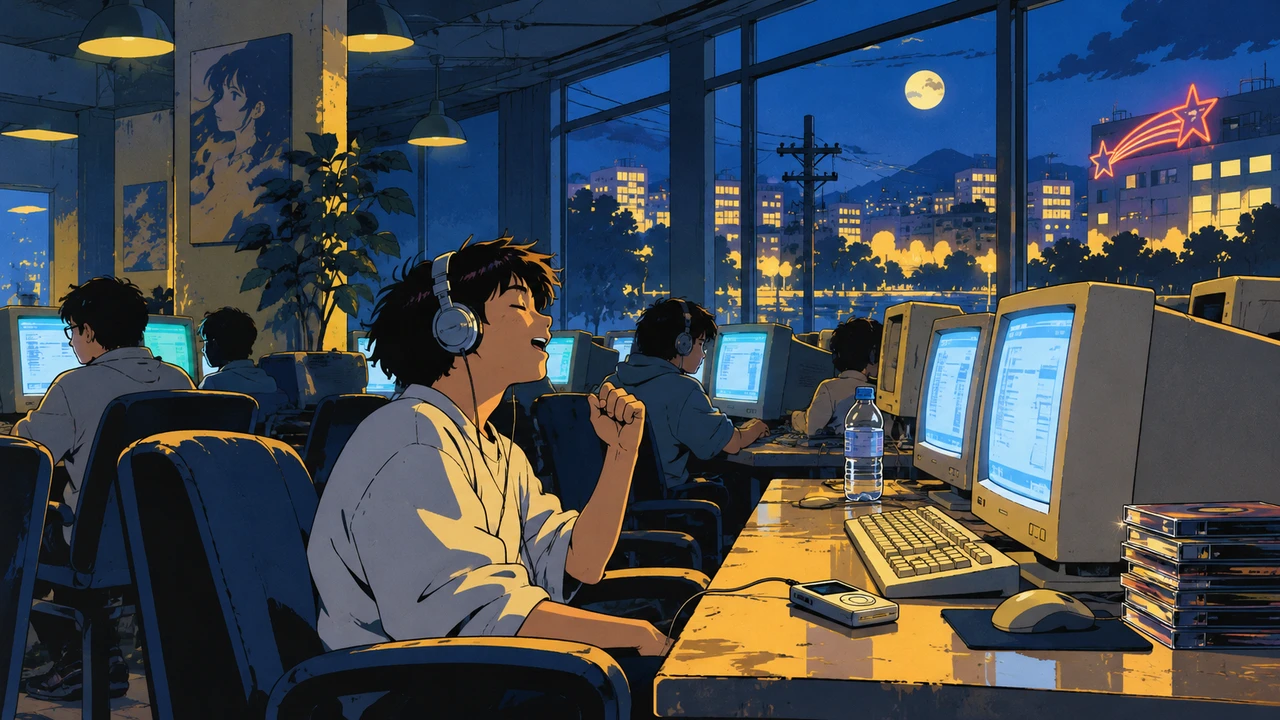
- Era
- From around 2001
- Origin
- Mainland China
- Tempo
- 70–130 BPM
- Core instruments
- MIDI strings · electronic keyboard · drum machine · duet vocals
AI prompt
Early 2000s Chinese internet love song, 96 BPM, simple catchy Mandopop melody, cheap MIDI string and electric piano arrangement, basic drum machine beat, earnest male and female duet singing in Mandarin, direct sentimental lyrics, karaoke singalong chorus, nostalgic and slightly cheesy
286 charactersWrite "2000s Chinese internet song" + "MIDI strings" + "Mandarin duet". For the early comic style, write "comedic talk-singing".
Rhythm
Simple pop structure with repeated verses and choruses, easy to learn.
Drums
Electronic or MIDI drums; dance tracks often use a disco four-on-the-floor.
Bass
Simple electronic bass.
Synths / arrangement
Electronic keyboard, synth strings and MIDI arrangements, often with erhu or flute touches.
Vocals
Plain, conversational lyrics; male-female duets are common.
A MIDI-string intro starts, a plain love-line chorus follows, and the whole street can sing it.
- Period
- Appeared around 2001; peaked around 2004
- Regions & spread
- Mainland China · Early internet and mobile ringtones
Internet songs broadly means music that circulated online, with a strongly everyday, mass-market character. In mainland China they are generally traced to Xue Cun's "Northeasterners Are All Living Lei Fengs" (2001); early examples were mostly comic or moralising. After Yang Chengang's "The Mouse Loves Rice" (2004), internet songs turned mostly to love songs, and songs such as "Two Butterflies" swept the country too. They played on repeat in internet cafés, hair salons, street-side CD shops and as phone ringtones, but mainstream media long refused to accept them, and their lyrics were often criticised as vulgar.
Social context
The internet-café and ringtone era: ordinary people could bypass record labels and put songs online for everyone to hear.
Technology
Home-computer arrangements, MIDI backing tracks, MP3s and mobile ringtones.
Cultural psychology (interpretation)
Creative interpretation: simple melodies, plain lyrics, singable on first listen; unpolished but sincere, a record of a generation's youth.
Northeasterners Are All Living Lei Fengs
Xue Cun / SongStart here: generally seen as the starting point of mainland Chinese internet songs, popular around 2001; comic and colloquial.
The Mouse Loves Rice
Yang Chengang / SongA nationwide hit in 2004, after which internet songs mostly turned to love songs.
Two Butterflies
Pang Long / SongAn internet hit around 2004, as famous as "The Mouse Loves Rice" and heard in ringtones and on every street.
2000s nostalgia, small-town youth, the internet-café era
One listen takes you straight back to that time.
Comedy short videos, kitsch memes, contrast edits
The plain lyrics and melodies are funny in themselves.
- What is Chinese Internet Song?
- Chinese Internet Song is a chinese pop · internet-era phenomenon. No record label and no packaging, spread through websites and ringtones to every street: Chinese viral songs of the 2000s. Period: Appeared around 2001; peaked around 2004. Regions: Mainland China, Early internet and mobile ringtones. A MIDI-string intro starts, a plain love-line chorus follows, and the whole street can sing it.
- How do I write a Suno prompt for Chinese Internet Song?
- Copy this full prompt:
Early 2000s Chinese internet love song, 96 BPM, simple catchy Mandopop melody, cheap MIDI string and electric piano arrangement, basic drum machine beat, earnest male and female duet singing in Mandarin, direct sentimental lyrics, karaoke singalong chorus, nostalgic and slightly cheesy. Write "2000s Chinese internet song" + "MIDI strings" + "Mandarin duet". For the early comic style, write "comedic talk-singing". - What BPM and instruments does Chinese Internet Song use?
- Usually 70–130 BPM, slow love songs and dance tracks alike. Drums: Electronic or MIDI drums; dance tracks often use a disco four-on-the-floor. Bass: Simple electronic bass. Synths / arrangement: Electronic keyboard, synth strings and MIDI arrangements, often with erhu or flute touches. Vocals: Plain, conversational lyrics; male-female duets are common.
- What Chinese Internet Song music should I start with?
- Start with “Northeasterners Are All Living Lei Fengs” by Xue Cun; “The Mouse Loves Rice” by Yang Chengang; “Two Butterflies” by Pang Long. The Key works tab notes what to listen for in each.
- What styles are similar to Chinese Internet Song?
- Taiwanese Hokkien Pop Similar mood · Nostalgic; Kayōkyoku Similar mood · Nostalgic; Dreamcore Same branch; French Chanson Similar mood · Romantic
Sources are used to check history, categories and works. Cultural psychology, visual language, creator uses, and the instrument and mood tags in the overview are editorial interpretation and do not speak for a whole community or an artist’s sole intent. Tempo ranges are only a starting point; listen to AI examples and adjust.
- 维基百科 · 网络歌曲 ↗Definition, starting point, the turn to love songs after 2004 and controversy
- 中国新闻网 · 网络歌曲回顾 ↗Key songs around 2004