Gothic Rock
Music genre
Puts shadow, theatre and bodily rhythm into the same song.
- Era
- Late 1970s
- Origin
- UK
- Tempo
- 90–140 BPM
- Core instruments
- chorus-drenched guitar · deep bass · toms · low vocals
AI prompt
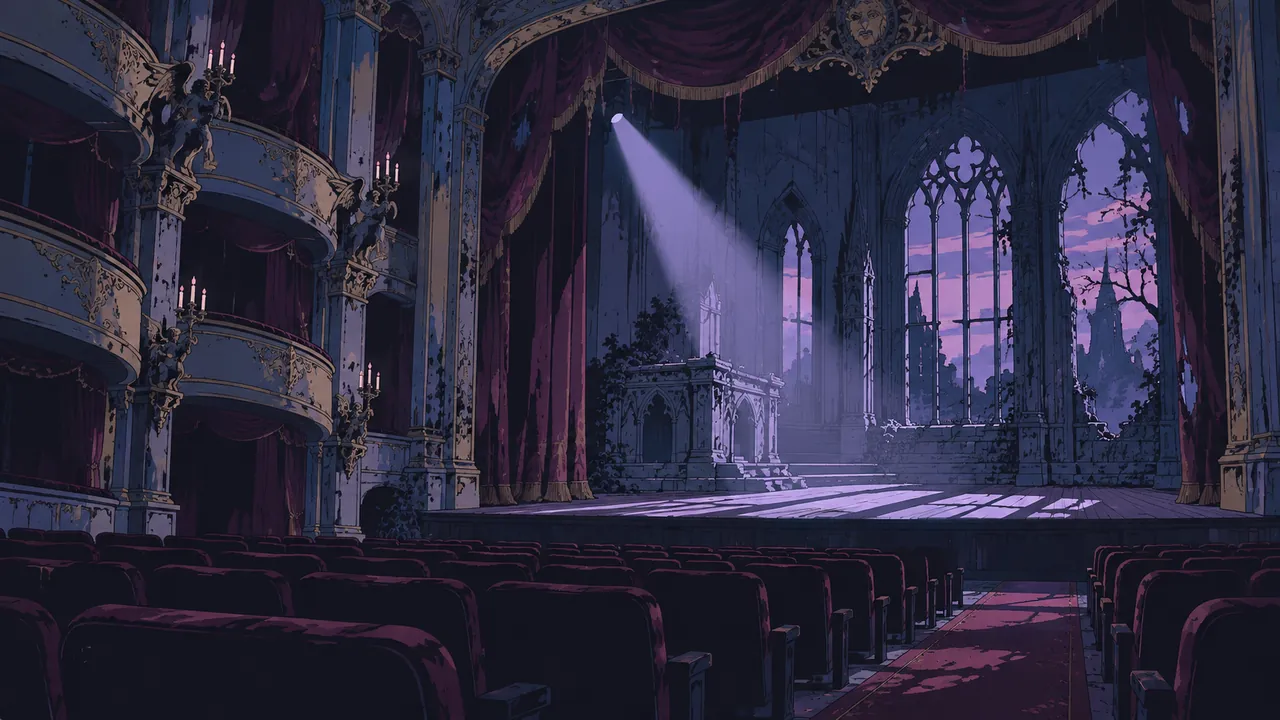
Gothic rock, 116 BPM, melodic electric bass, spacious chorus guitar, tom-heavy drums, dramatic low vocal, shadowy romantic atmosphere, an immortal performer in an empty theatre
176 charactersEmphasise bass, space and theatrical singing; for an early sparse feel, write dub-influenced space.
Rhythm
Rock drive, tribal drum patterns or dub-like space.
Drums
Live drums, drum machines and prominent tom figures.
Bass
Melodic bass, often doing the constant driving.
Synths / arrangement
This page centres on effected guitar, with optional dark keys, organ and pads.
Vocals
Theatrical low voice, recitative or intense singing; range isn't fixed.
Space and character stance matter equally, and it's not the same as heavy metal.
- Period
- Late 1970s to early 1980s
- Regions & spread
- UK post-punk scene
Bauhaus's 1979 "Bela Lugosi's Dead" is often cited as an important early marker. Early work also absorbed dub and other sounds; black clothing or horror themes alone don't define the genre.
Social context
Post-punk exploration and underground community aesthetics made room for theatrical identity, romantic shadow and alternative self-expression.
Technology
Guitar effects and spatial recording of drums and bass let bands create hollowness, echo and shadow.
Cultural psychology (interpretation)
Creative interpretation: aestheticising death, desire and loneliness turns hard-to-face emotions into forms that can be watched, performed and shared.
Bela Lugosi’s Dead
Bauhaus / SongListen to how sparse space, bass and echo create drama, and notice that the song doesn't rely on constantly dense guitar.
Join Me in Death
HIM / SongFinnish love metal: the strand of gothic rock leaning toward metal, heavy guitars with Ville Valo's romantic croon.
Immortals, old theatres and night rituals
Combines an urban bodily feel with romantic shadow, suiting characters who are aware they're performing themselves.
The entrance of a character who is both alluring and dangerous
Build the relationship with charm first, then hint at threat through harmony and space.
- What is Gothic Rock?
- Gothic Rock is a music genre. Puts shadow, theatre and bodily rhythm into the same song. Period: Late 1970s to early 1980s. Regions: UK post-punk scene. Space and character stance matter equally, and it's not the same as heavy metal.
- How do I write a Suno prompt for Gothic Rock?
- Copy this full prompt:
Gothic rock, 116 BPM, melodic electric bass, spacious chorus guitar, tom-heavy drums, dramatic low vocal, shadowy romantic atmosphere, an immortal performer in an empty theatre. Emphasise bass, space and theatrical singing; for an early sparse feel, write dub-influenced space. - What BPM and instruments does Gothic Rock use?
- No single BPM; songs here can start at 90–140 BPM. Drums: Live drums, drum machines and prominent tom figures. Bass: Melodic bass, often doing the constant driving. Synths / arrangement: This page centres on effected guitar, with optional dark keys, organ and pads. Vocals: Theatrical low voice, recitative or intense singing; range isn't fixed.
- What Gothic Rock music should I start with?
- Start with “Bela Lugosi’s Dead” by Bauhaus; “Join Me in Death” by HIM. The Key works tab notes what to listen for in each.
- What styles are similar to Gothic Rock?
- Darkwave Same branch; Russian Post-Punk / Doomer Same branch; Black Metal Similar mood · Dark & heavy; Gothic Metal Similar mood · Dark & heavy
Sources are used to check history, categories and works. Cultural psychology, visual language, creator uses, and the instrument and mood tags in the overview are editorial interpretation and do not speak for a whole community or an artist’s sole intent. Tempo ranges are only a starting point; listen to AI examples and adjust.
- Alexander Carpenter · Bauhaus 与哥特摇滚起源研究 ↗Early works, dub influence and contested origin stories; public abstract