Glitch
Genre and production aesthetic
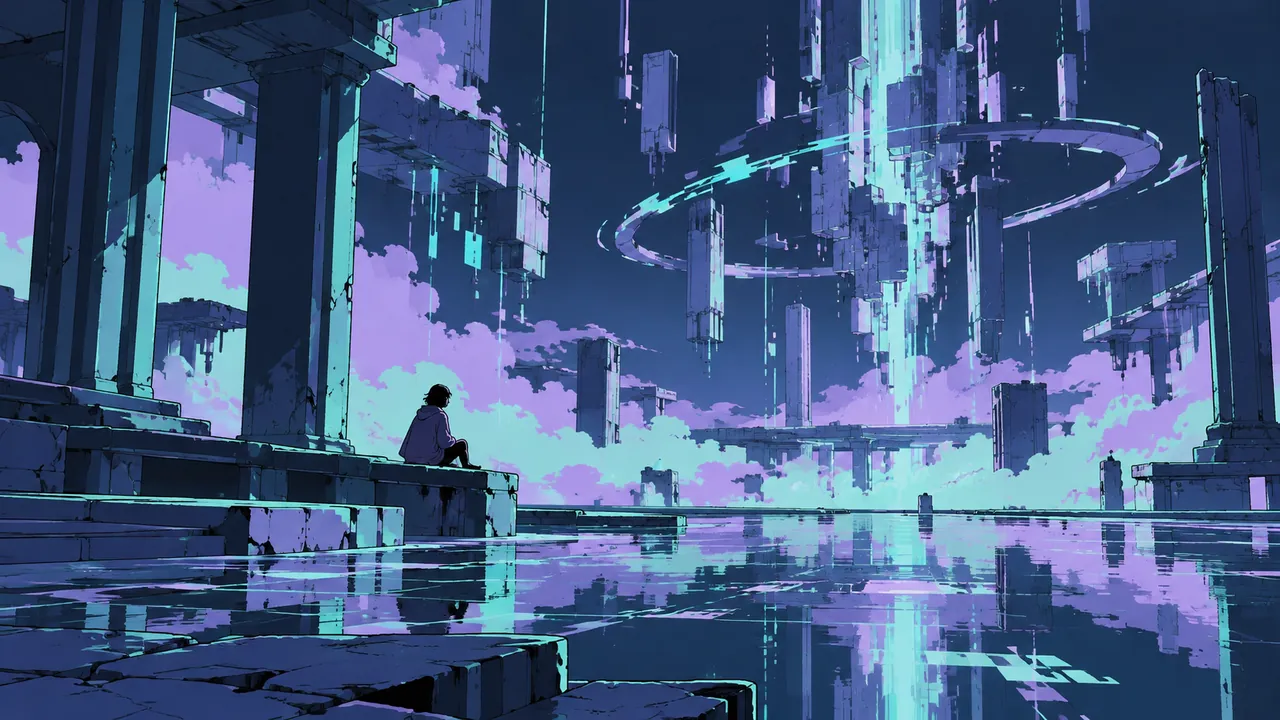
Lets errors expose the system, and lets cracks produce a new order.
- Era
- 1990s
- Origin
- Germany · Japan · Europe
- Tempo
- 70–130 BPM
- Core instruments
- glitch edits · clicks · digital noise
AI prompt
Glitch electronica, fragmented 92 BPM pulse, micro-click percussion, granular pads, sparse sub bass, tiny digital stutters, instrumental, a synthetic memory slowly rebuilding itself, generous negative space
206 charactersSpecify sparse or dense; writing only "glitch" tends to produce decorative glitch sounds, so add rhythm and space requirements.
Rhythm
Broken slices, displaced accents and non-periodic textures.
Drums
Clicks, short noises, jump cuts and tiny pops.
Bass
Simple low end or broken digital pulses.
Synths / arrangement
Granular pads, digital fragments, repeating short loops.
Vocals
Broken words, stretched vowels, sliced fragments of memory.
Error is compositional material; dense fragments and long silences matter equally.
- Period
- Distinctive practice formed in the 1990s
- Regions & spread
- Germany · European, Japanese and international experimental electronic scenes
Oval and others turned skipping, fragmentation and tiny noises of digital media into musical material; glitch is also widely used in other genres' production.
Social context
The more digital audio pursued transparency and perfection, the more the medium's own faults became something to re-examine.
Technology
CD skips, digital editing, buffer slicing and granular processing turned mistakes into organisable sound.
Cultural psychology (interpretation)
Creative interpretation: instability doesn't necessarily mean destruction; glitches can show gaps in memory, or reveal life in an overly perfect system.
Do While · 94diskont.
Oval / Song / albumNotice how tiny short sounds form a continuous, gentle sound field; glitch can be delicate, not only violent.
A young explorer's memory recovery and signal dropouts
Show state changes with local slicing; keeping the character theme lets viewers recognise she is still the same being.
Jump cuts, repeated frames and stream of consciousness
Short sounds echo edit points, turning visual errors into narrative action.
- What is Glitch?
- Glitch is a genre and production aesthetic. Lets errors expose the system, and lets cracks produce a new order. Period: Distinctive practice formed in the 1990s. Regions: Germany, European, Japanese and international experimental electronic scenes. Error is compositional material; dense fragments and long silences matter equally.
- How do I write a Suno prompt for Glitch?
- Copy this full prompt:
Glitch electronica, fragmented 92 BPM pulse, micro-click percussion, granular pads, sparse sub bass, tiny digital stutters, instrumental, a synthetic memory slowly rebuilding itself, generous negative space. Specify sparse or dense; writing only "glitch" tends to produce decorative glitch sounds, so add rhythm and space requirements. - What BPM and instruments does Glitch use?
- No single BPM; beat-driven tracks can start at 70–130 BPM. Drums: Clicks, short noises, jump cuts and tiny pops. Bass: Simple low end or broken digital pulses. Synths / arrangement: Granular pads, digital fragments, repeating short loops. Vocals: Broken words, stretched vowels, sliced fragments of memory.
- What Glitch music should I start with?
- Start with “Do While · 94diskont.” by Oval. The Key works tab notes what to listen for in each.
- What styles are similar to Glitch?
- Glitch Hop Same branch; IDM Same branch; Hyperpop Same branch; Digicore Same branch
Sources are used to check history, categories and works. Cultural psychology, visual language, creator uses, and the instrument and mood tags in the overview are editorial interpretation and do not speak for a whole community or an artist’s sole intent. Tempo ranges are only a starting point; listen to AI examples and adjust.
- Thrill Jockey · Oval / 94diskont ↗1995 work and production practice
- Oval · Do While ↗Artist's discography page